
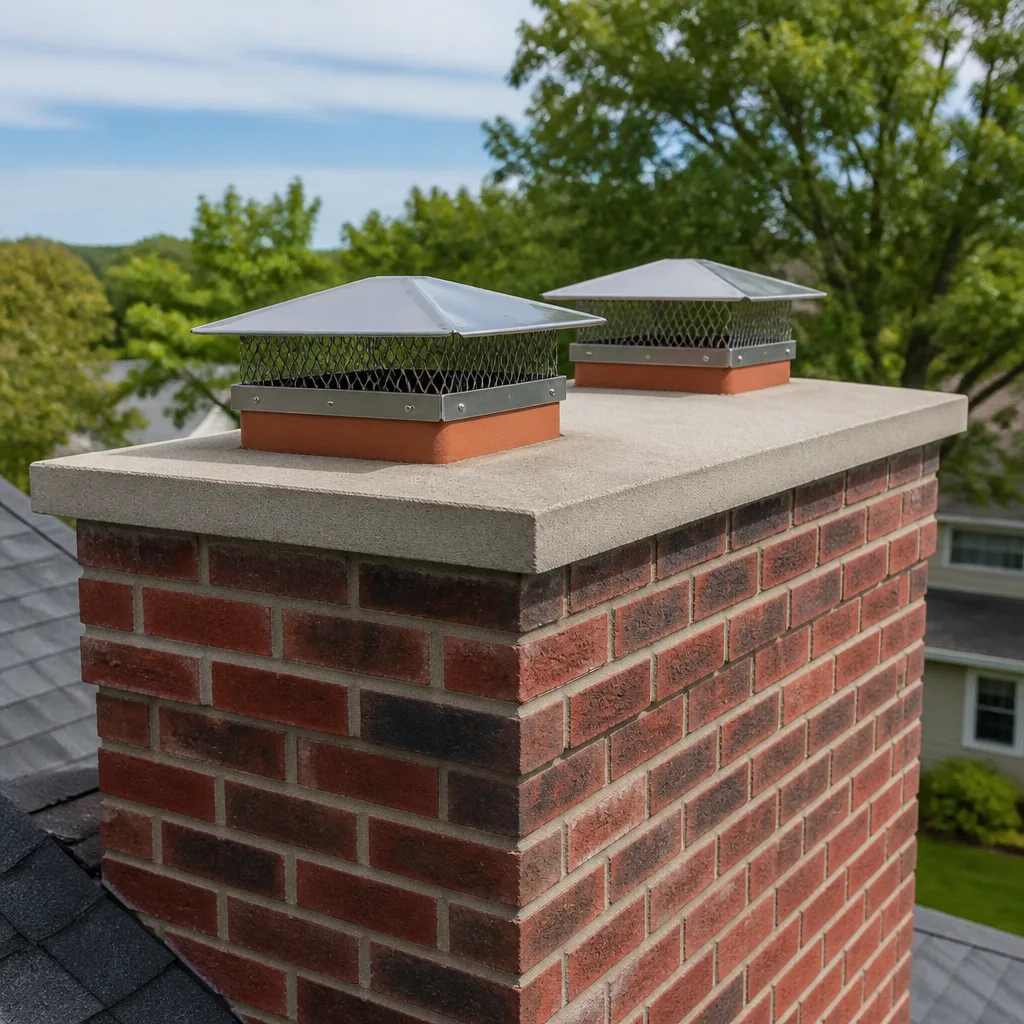
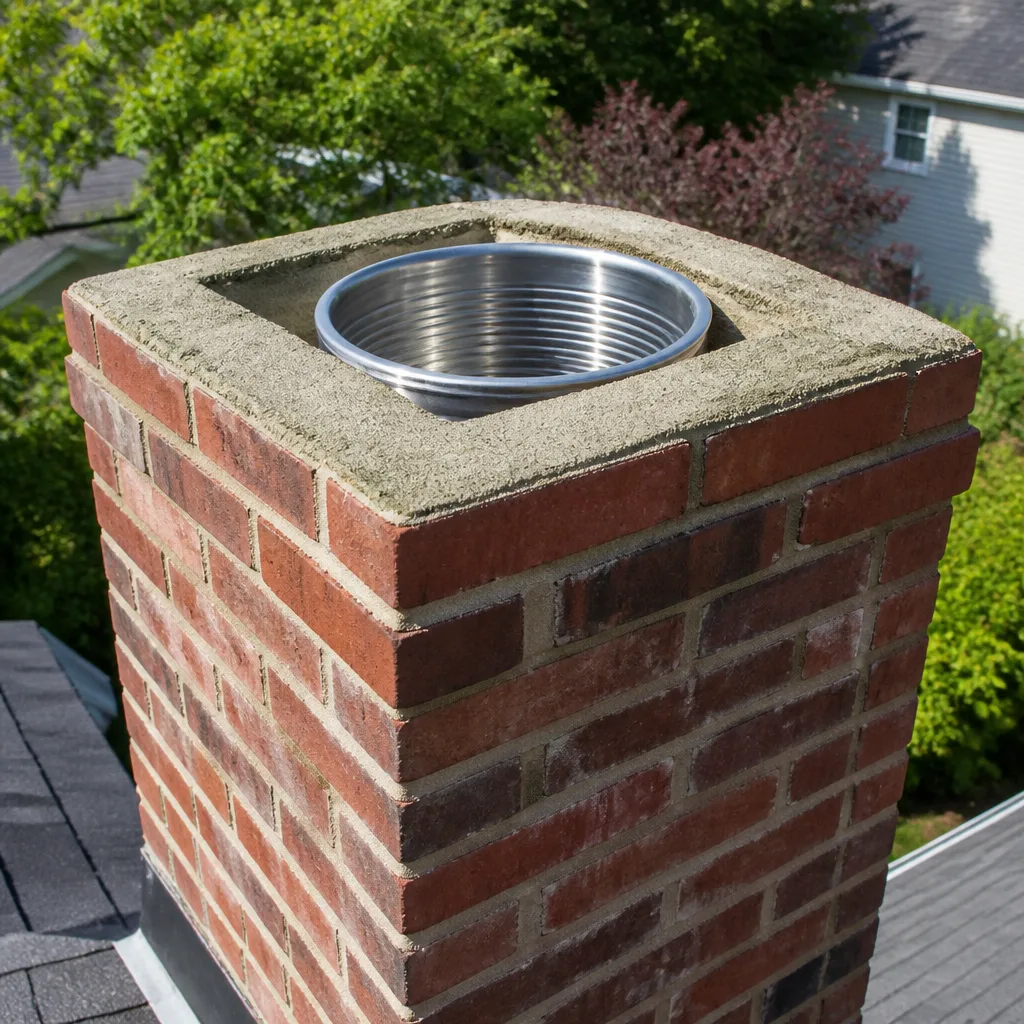
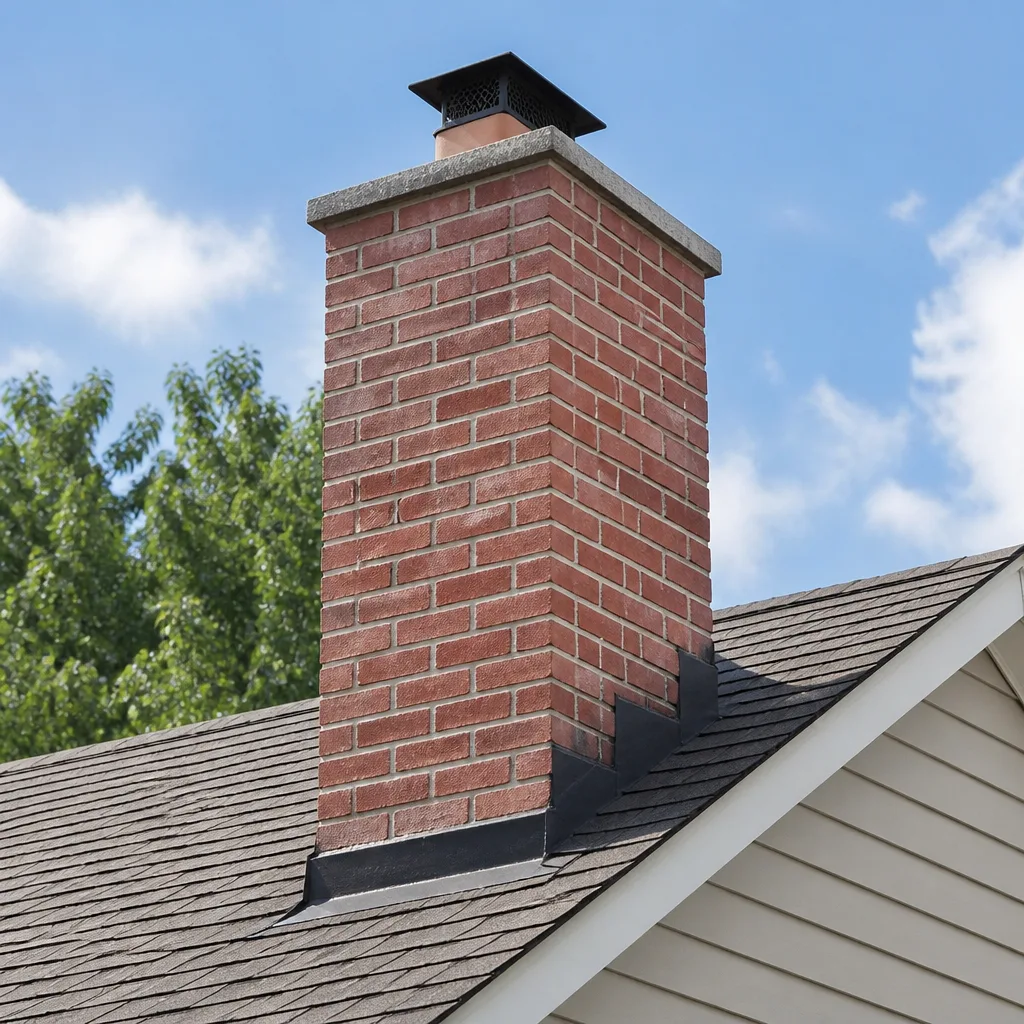
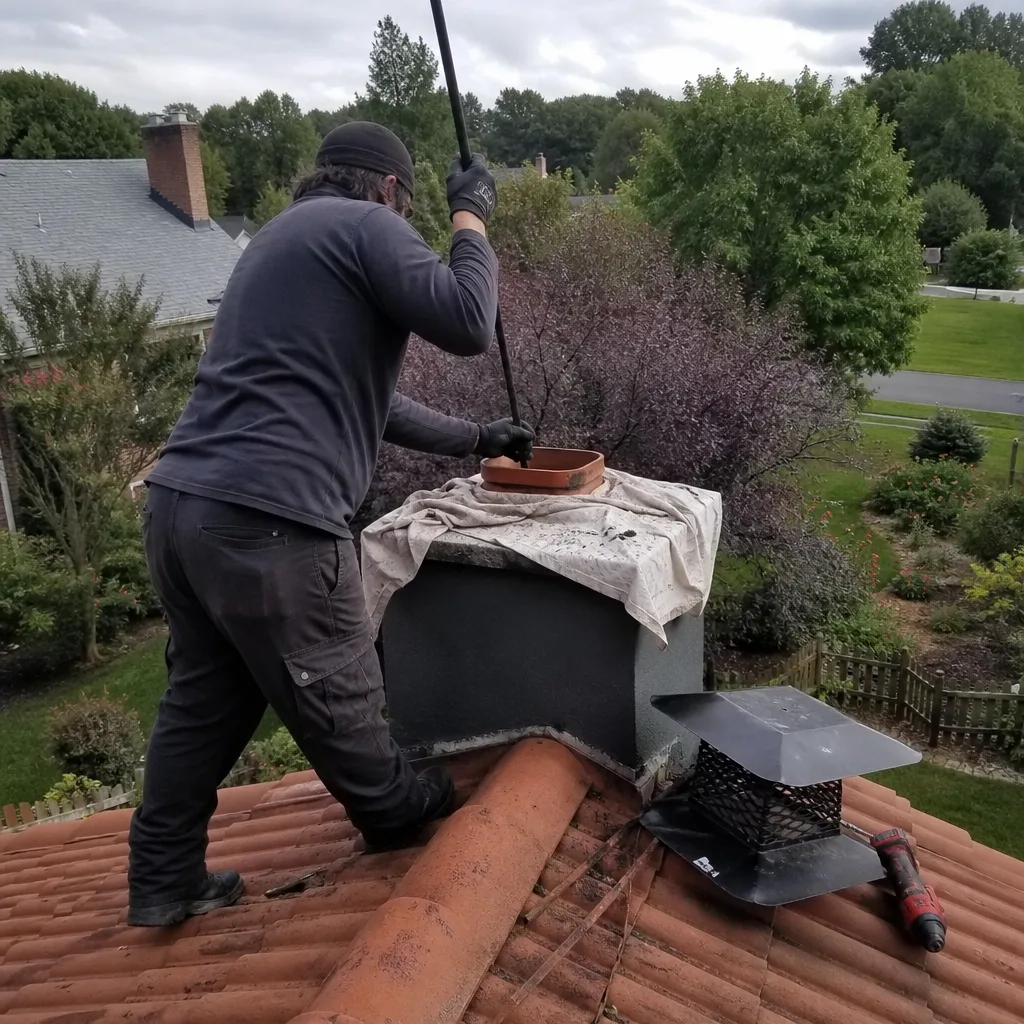
Level 1 sweep and inspection to the NFPA 211 annual standard - flue, crown, cap, and flashing checked and photographed
Chimney sweep logs do not sweep chimneys. They loosen some creosote - which then falls where a brush and vacuum still have to collect it.
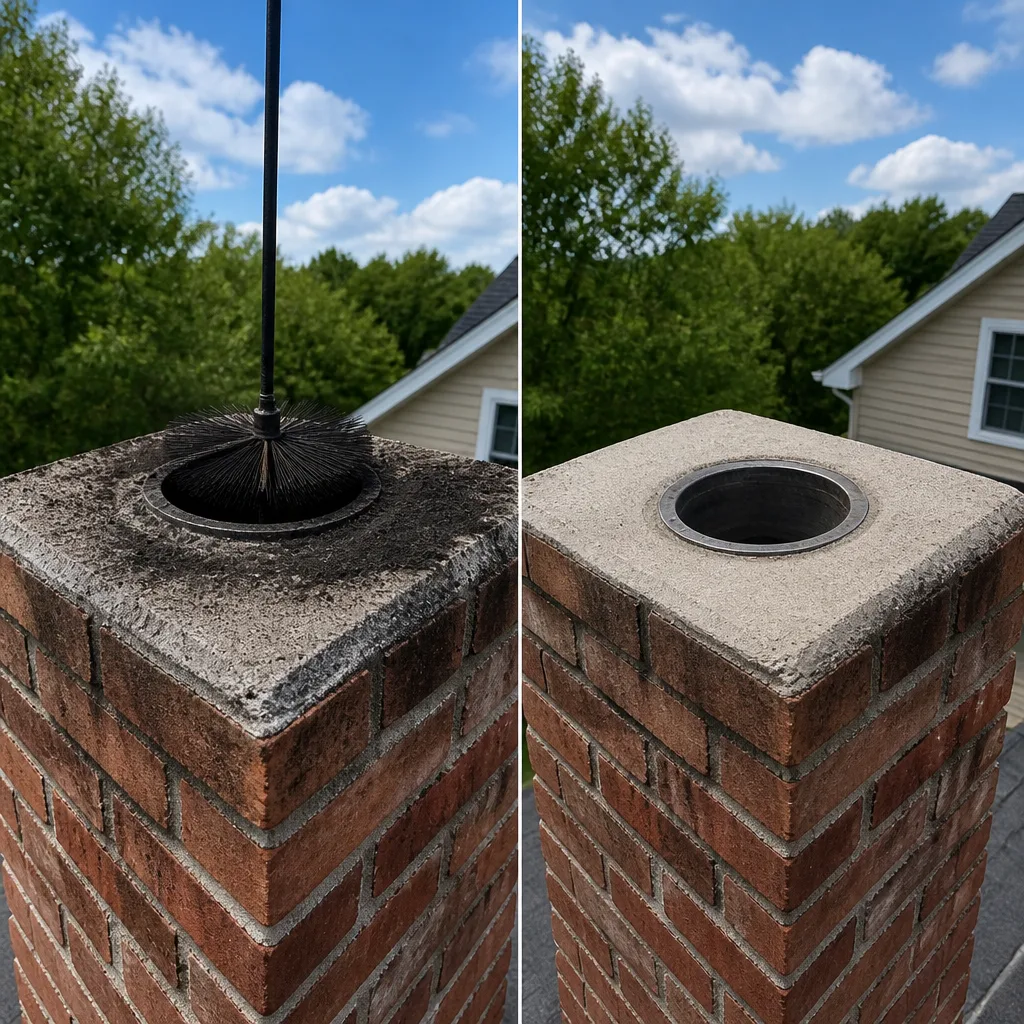
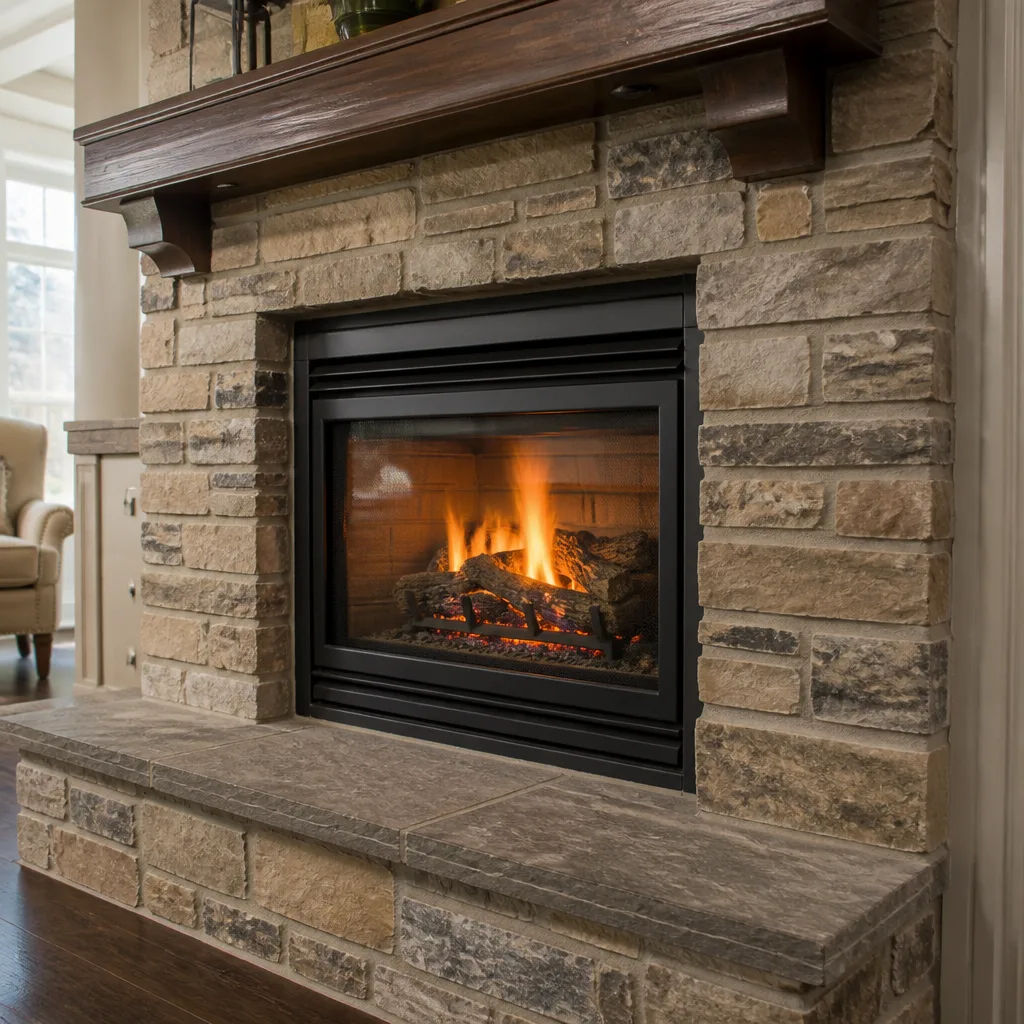
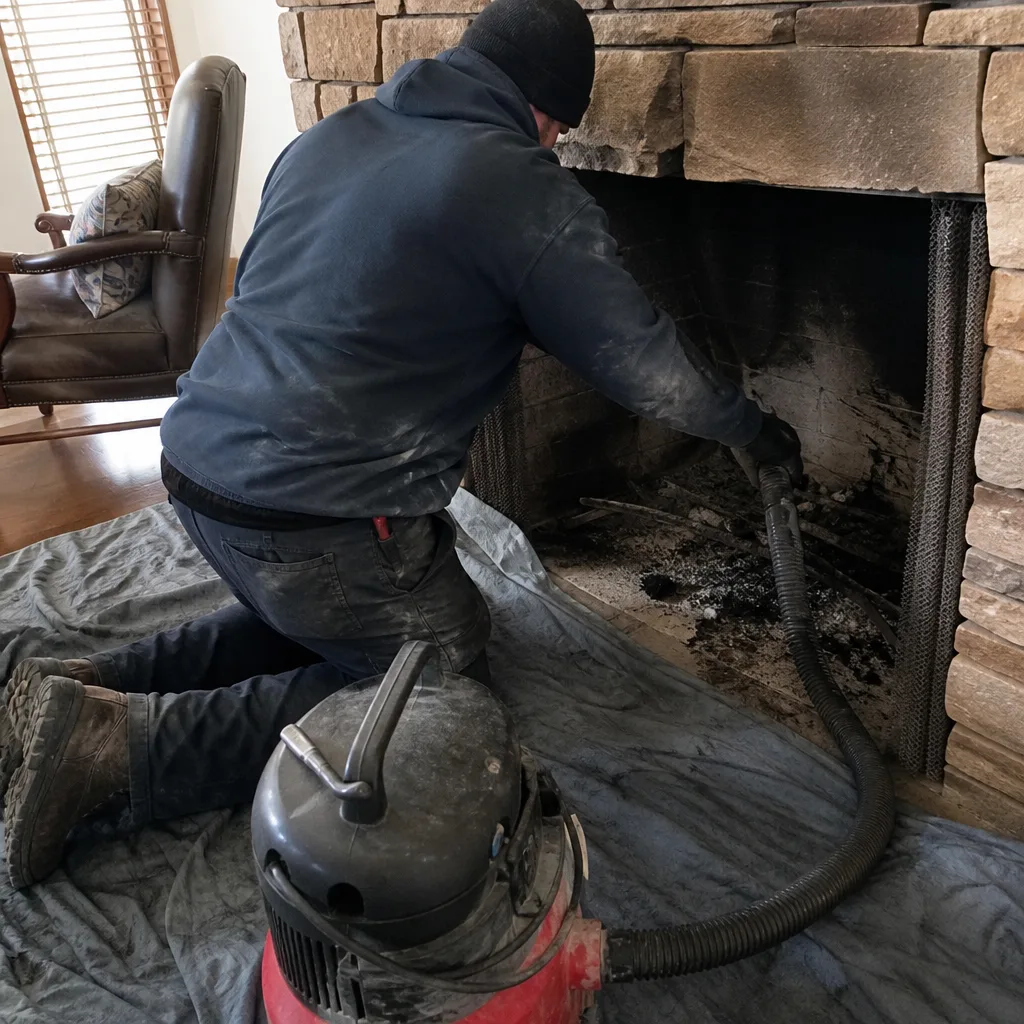 Before
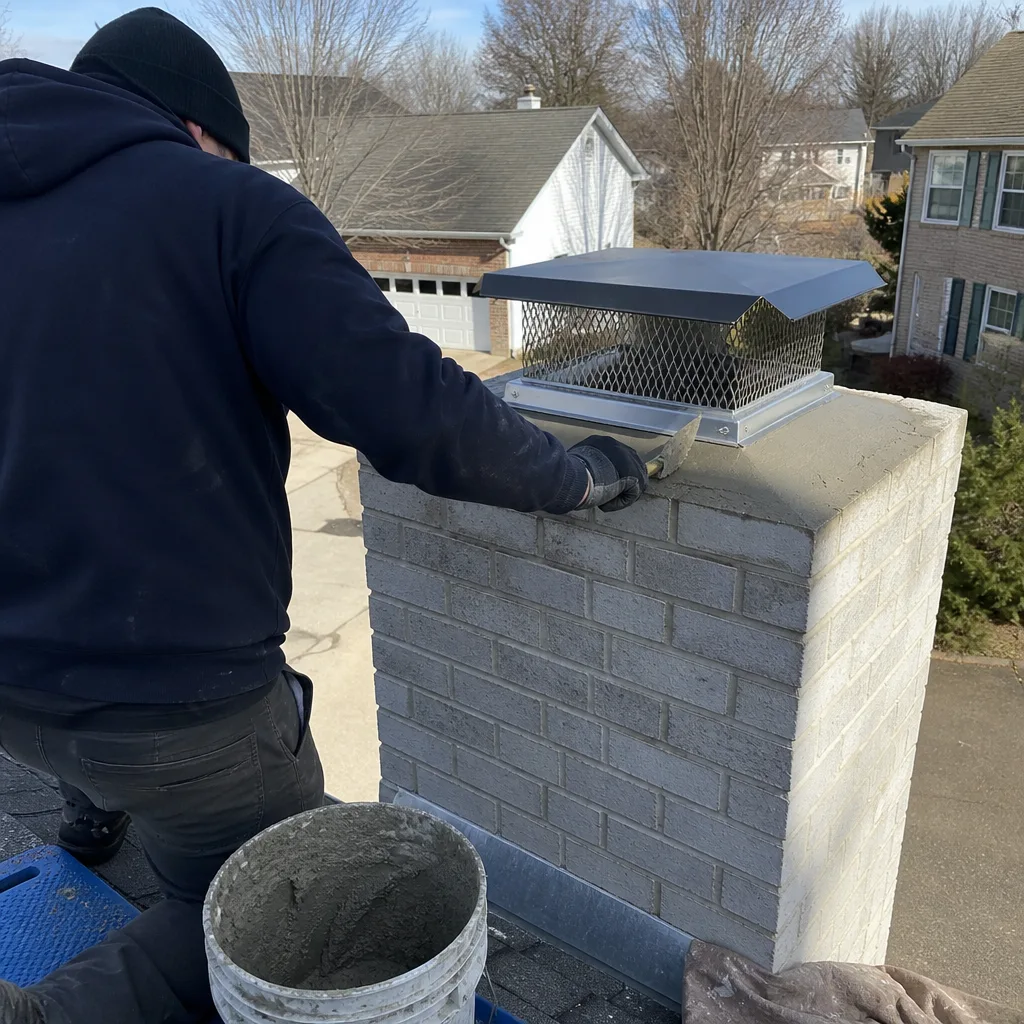 After
After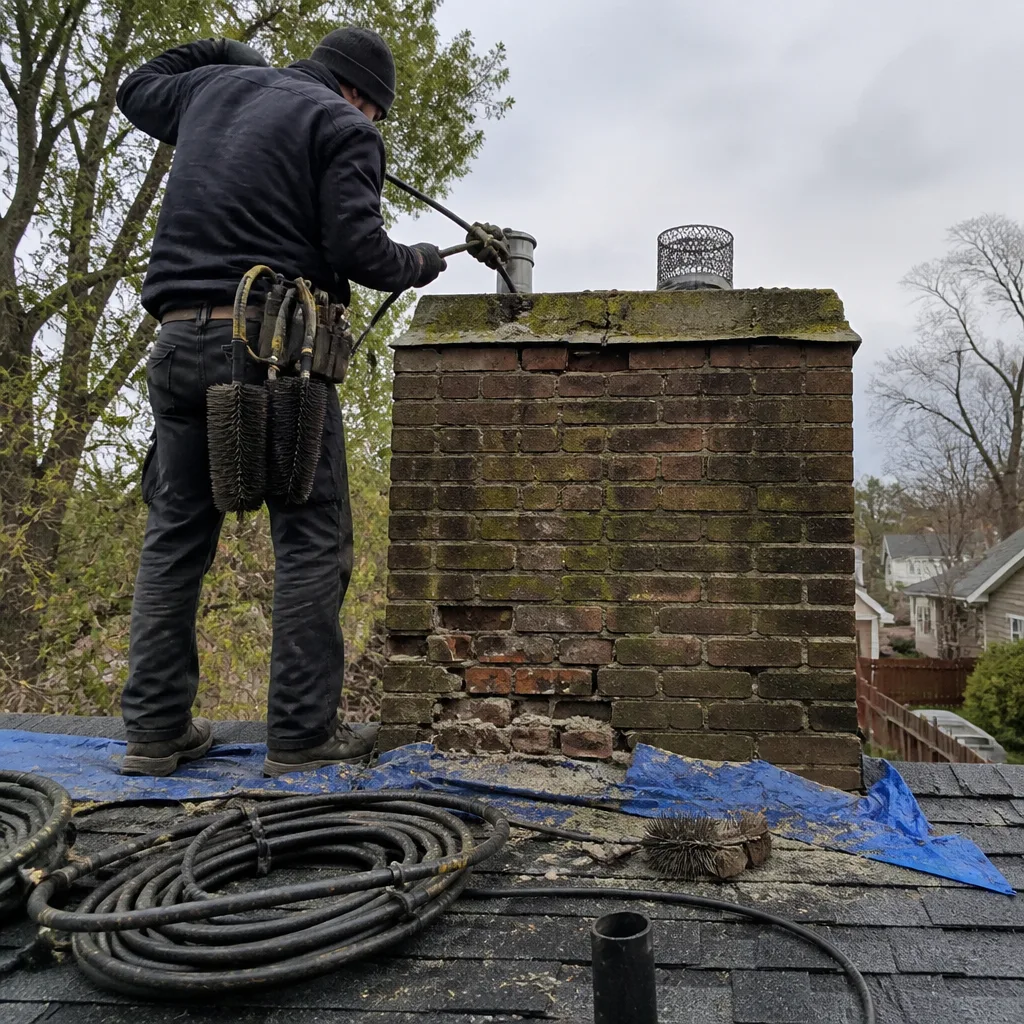 Before
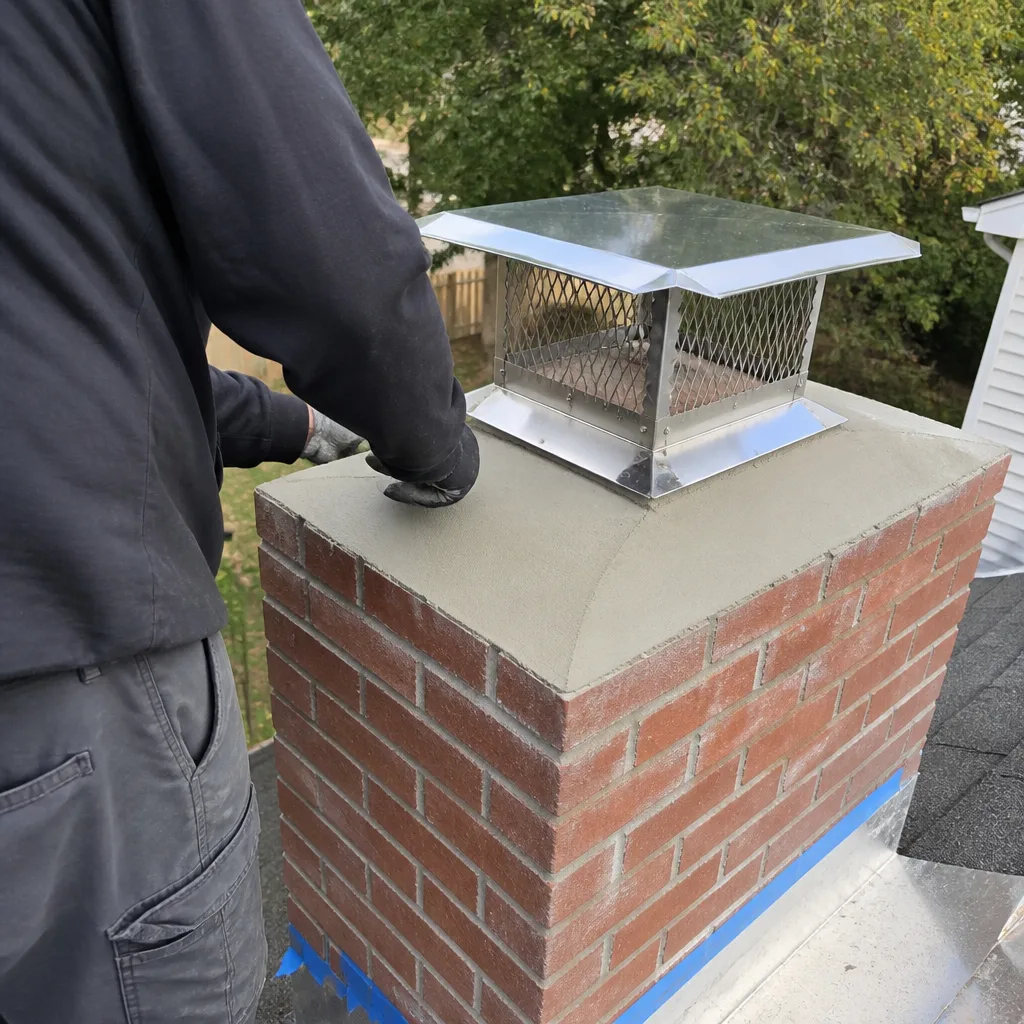 After
After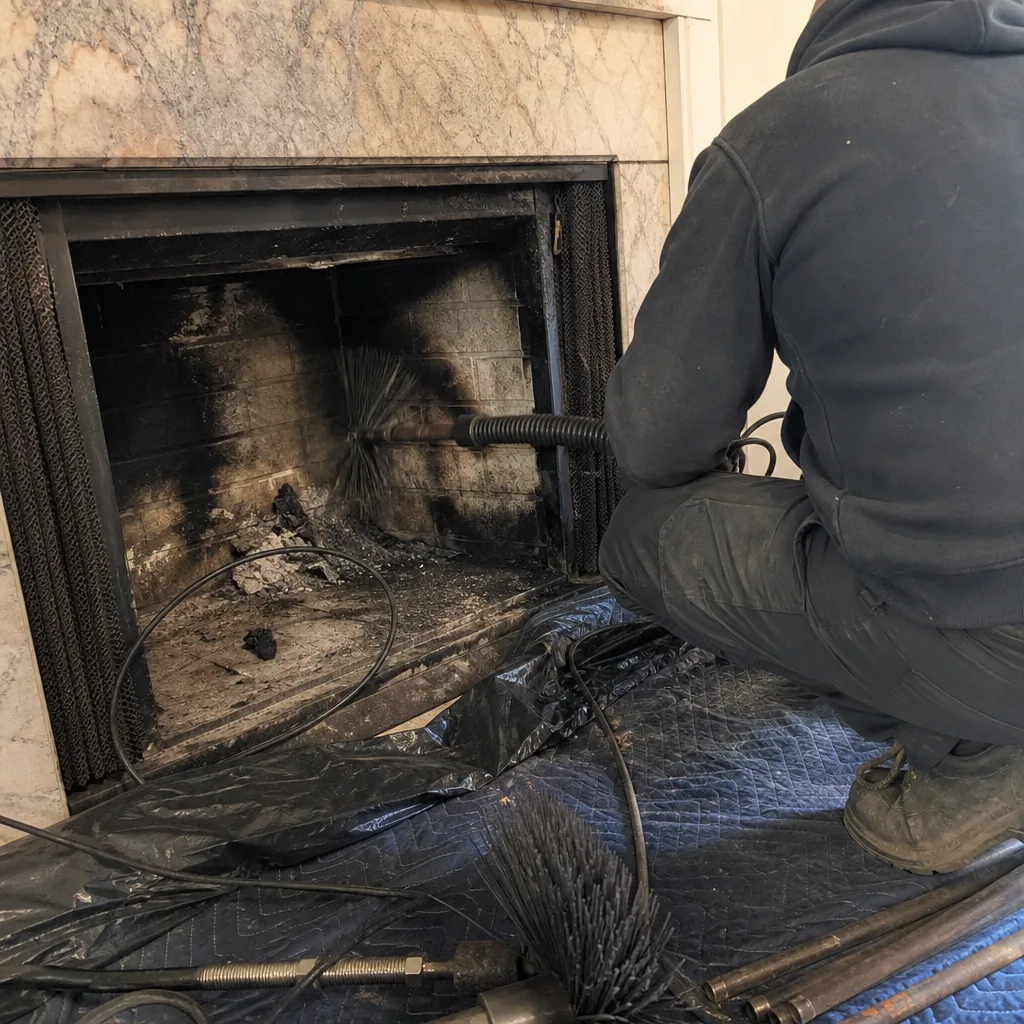 Before
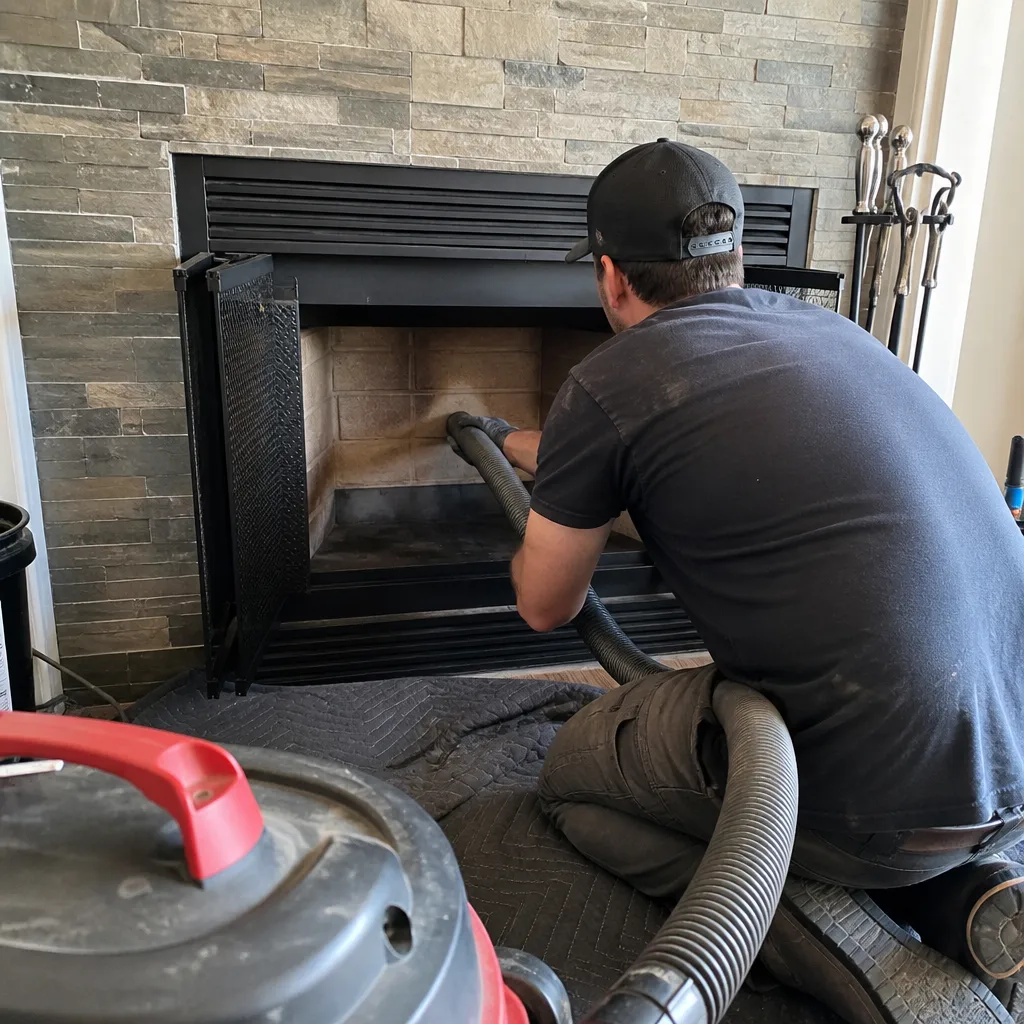 After
AfterCreosote Removal in Ashburn, VA
Chimney Cleaning & Sweep services for creosote removal in Ashburn typically run between $150 and $800 depending on how much buildup is present and which removal method the deposit requires. Most appointments are same-day or next-day, and every job starts with a written price before any work begins. If you want a number before committing to anything, call us at (240) 220-9412 – a live person picks up every time.
Creosote is the byproduct of incomplete combustion: wood smoke cools as it rises through the flue, and the unburned particles condense on the liner walls. In Ashburn’s climate, where overnight temperatures can swing 30 degrees between October and March, that cooling happens faster than most homeowners expect. Short fires, unseasoned wood, and a flue that hasn’t fully warmed up all accelerate the process. Over time, the deposit shifts from a dry, powdery film (Class I) to a tar-like glaze (Class II) to a hard, porous, fuel-rich crust (Class III) that burns at temperatures above 2,000 degrees Fahrenheit – hot enough to crack a flue liner or ignite the surrounding framing.
At Level Two Chimney Ashburn, creosote removal is part of our broader Chimney Cleaning & Sweep in Ashburn service, and we’ve been documenting and clearing it since 2009 – across more than 38,000 chimneys inspected and cleaned. Every visit includes a camera-scan inspection (NFPA 211 Level 2), a documented photo record, and a written scope before anyone picks up a tool. That practice is baked into Clause 4 of the Haven Standard, and it isn’t optional.
When You Need Creosote Removal
- You smell something acrid or smoky when the fireplace is cold. A strong, tarry odor without a fire burning is one of the clearest signs of heavy Class II or Class III creosote. In Ashburn’s humid summers, that smell intensifies because moisture reactivates the deposits.
- Your last sweep was more than 12 months ago. The Chimney Safety Institute of America and NFPA 211 both recommend annual cleaning for any actively used fireplace. If you burned more than a cord of wood last winter, the interval should be shorter.
- You’ve been burning unseasoned or “green” wood. Freshly cut wood contains 45-60% moisture. That moisture drops the combustion temperature and dramatically increases the rate of creosote deposit, particularly on flues in older Ashburn homes where liner sizing may not match the firebox.
- You see dark, shiny streaks or a glazed coating on the damper or smoke shelf. Glaze is Class II creosote. It doesn’t brush off with standard rotary equipment and requires a chemical or dual-stage removal process.
- Your home had a chimney fire – even a small one. Creosote is the fuel source for chimney fires. A “small” burn inside the flue can leave cracked tile, warped liner sections, and a new layer of porous Class III crust that’s even more flammable than what caused the fire. A camera inspection after any suspected chimney fire is not optional – it’s a safety requirement.
- You’re buying or selling a home in Ashburn. Buyers’ inspectors and home insurance underwriters increasingly flag uncleaned chimneys. A documented Level 2 inspection and a clean flue on record is the straightforward way to answer that flag before it becomes a negotiation problem.
Our Creosote Removal Process
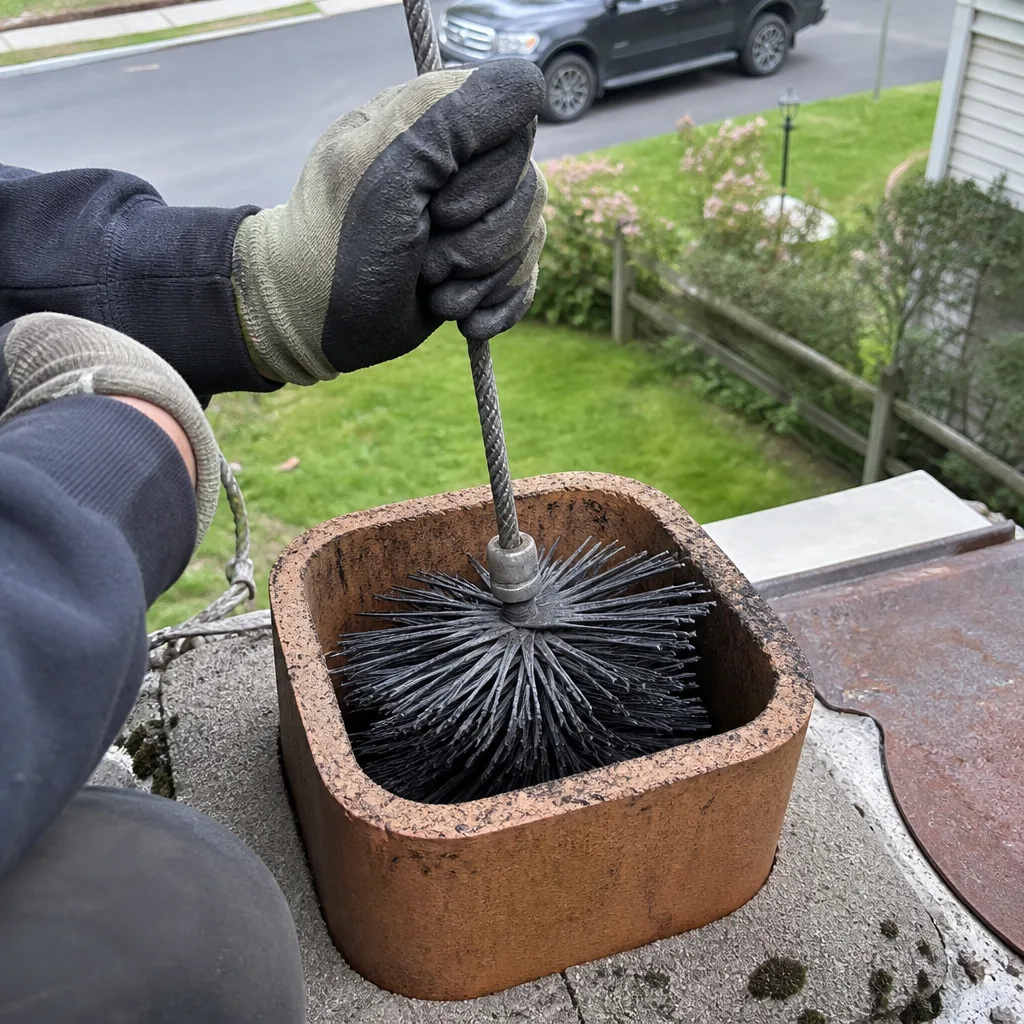
Every job follows the same documented sequence. Nothing gets skipped because a tech is running behind – the written scope you approved at the start is the checklist we work from to the end.
- Camera-scan inspection before we touch anything. We run a NFPA 211 Level 2 camera inspection of the full flue – from the firebox to the crown – before any cleaning begins. This tells us the class of creosote present, the liner condition, and whether any cracks or gaps would change the scope of work. You see the footage. If the camera finds something that changes the price, we stop and give you a revised written quote before continuing. That’s Haven Standard Clause 1: written price, written scope, written warranty, before work starts.
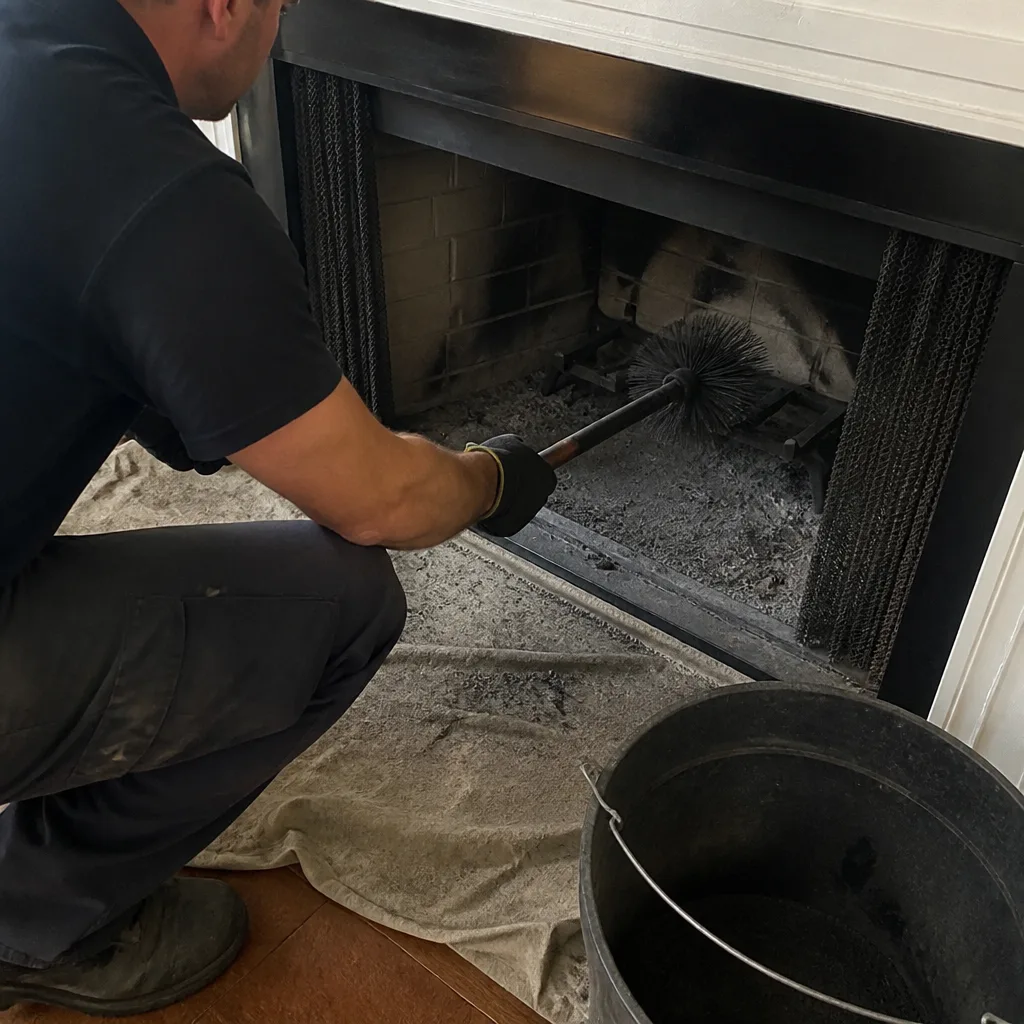
- Containment setup inside the home. We lay drop cloths from the front door to the firebox, seal the firebox opening with a negative-pressure shroud, and set up a HEPA-filtered vacuum system before any brushing begins. Creosote dust is carcinogenic. Containment isn’t courtesy – it’s procedure.
- Class-appropriate removal method selected. Class I deposits come out with rotary brush systems – typically brass or polypropylene brush heads matched to the liner diameter, run from the top down with simultaneous vacuum suction below. Class II glaze requires a two-stage chemical treatment: a conditioning agent is applied to make the glaze friable, we wait the appropriate dwell time, then return for mechanical removal. Class III porous crust may require a combination of chemical softening and power tools, and in severe cases it can mean liner replacement is the safer path – we’ll tell you that plainly if the camera shows it.
- Smoke chamber and smoke shelf cleaned. The smoke chamber – the funnel-shaped section just above the firebox – traps as much creosote as the flue itself. Most sweeps brush only the liner. We clean the smoke chamber and smoke shelf as part of every standard job because leaving that deposit behind defeats the point of cleaning the liner above it.
- Post-cleaning camera scan and photo documentation. After cleaning, the camera goes back down. You get before-and-after images as part of your documented photo record, which is archived under Clause 4 of the Haven Standard. If we find a crack, a displaced tile, or a deteriorated mortar joint on the post-clean scan, we document it with photos and give you a written repair estimate on the spot – no pressure to approve anything that day.
- Written summary left with you before we leave. You receive a written scope of what was done, the condition we found, any recommended follow-up work, and the warranty information for the job. The 365-Day Done Right Promise covers every job: if something wasn’t done right, we come back and make it right.
BeforeAfterCreosote Removal Pricing in Ashburn
Creosote removal in Ashburn costs between $150 and $800 for the large majority of residential jobs. The range is wide because the class of creosote is the primary cost driver, and the class can’t be accurately determined without a camera scan. Here’s how the ranges break down in practice:
| Creosote Class | Description | Typical Removal Cost (Ashburn) |
|---|---|---|
| Class I | Dry, flaky, brushes clean with standard rotary equipment | $150 – $250 |
| Class II | Tar-like glaze, requires chemical conditioning and mechanical removal | $300 – $550 |
| Class III | Hard, porous crust, may require multiple chemical stages or power removal | $500 – $800+ |
What affects where your job lands in those ranges:
- Flue height and configuration. Ashburn has a mix of single-story ranch homes, two-story colonials, and newer townhomes in neighborhoods like Ashburn Farm, Belmont Greene, and Loudoun Valley Estates. A taller flue means more liner surface to clean and more time on the roof.
- Number of flues. Homes with a wood-burning fireplace and a gas appliance venting through the same chimney structure have separate flues – each one is priced separately.
- Chemical treatment dwell time. Class II and Class III jobs that require a conditioning agent sometimes need a two-visit approach: application on day one, mechanical removal on day two. If that applies to your job, we tell you before you approve anything.
- Liner material. Clay tile, cast-in-place, and stainless liner systems from manufacturers like DuraFlex or Copperfield each interact differently with rotary brush equipment. We match the tool to the liner – we don’t run a steel brush inside a stainless liner.
Every estimate is written. If a competitor gave you a written quote, bring it to us – we offer a free second opinion on any written estimate. Call (240) 220-9412 and we’ll give you a number before any appointment is scheduled.
FAQs – Creosote Removal
How often does creosote need to be removed in Ashburn?
For most Ashburn homeowners burning one to two cords of seasoned firewood per season, an annual cleaning is the right interval – typically scheduled in late summer or early fall before the first fires of the year. If you burn more than two cords, use your fireplace more than three times per week during the heating season, or have a smaller firebox relative to the flue (common in older Ashburn colonials built in the 1980s and 90s), a mid-season inspection makes sense. NFPA 211 recommends a Level 1 Inspection before each heating season; the removal frequency follows from what the inspection finds. Call (240) 220-9412 to schedule an inspection and get an honest answer based on what the camera shows.
Can I use creosote removal logs instead of a professional sweep?
Creosote removal logs – the kind sold at hardware stores – chemically alter Class I deposits to make them more brittle and easier to dislodge. They do not remove creosote; they loosen it. The loosened material can fall into the smoke shelf or accumulate at a flue restriction, sometimes creating a blockage. On Class II or Class III deposits, they have minimal effect. They are not a substitute for mechanical cleaning and they don’t produce a documented condition record for insurance or resale purposes. Use them between professional cleanings if you want, but they don’t replace the camera scan.
What does Class III creosote mean for my chimney liner?
Class III creosote – sometimes called “glazed creosote” or “third-degree creosote” – is a hard, fuel-dense crust that adheres directly to the liner wall. It burns at temperatures that exceed the design rating of most clay tile liners and can cause rapid crack propagation through the flue tile, or outright liner failure. If our Level 2 Inspection camera scan finds Class III creosote, we give you a written report describing the extent and location of the deposit, the current liner condition, and the removal options with their costs. In some cases, the liner is already compromised enough that relining is the right call rather than aggressive removal – we’ll show you the footage and explain the reasoning. This is not a situation to manage with a store-bought product or a single-session brush sweep.
Does Level Two Chimney Ashburn handle creosote removal in homes with gas inserts or stove inserts?
Yes. Many Ashburn homes have a wood-burning insert or need Fireplace Cleaning for a gas insert fitted into an original masonry firebox – common in neighborhoods like Ashburn Village and the older sections near Route 7. Inserts require the unit to be pulled from the firebox to clean the liner and smoke chamber properly behind it. That’s standard procedure for us, not an add-on. The camera inspection happens before the insert is pulled so we know what we’re dealing with before the job scope is set. Written price, always, before the insert moves. Call (240) 220-9412 to confirm your insert type and get an upfront estimate.
Why Ashburn Homeowners Choose Level Two for Creosote Removal
A lot of what passes for a chimney sweep in this area is a flashlight inspection and a standard brush-out billed as a full cleaning. The difference becomes clear when the camera goes down after the cleaning and finds a Class II glaze that the brush barely touched, or a cracked tile that was already there and wasn’t mentioned because nobody looked.
We’ve inspected and cleaned more than 38,000 chimneys since 2009. Every one of those jobs had a written price before work started and a documented photo record when it was done – not because regulations required it, but because we built the business that way. That archive practice became Clause 4 of the Haven Standard and it runs on every job we do, including a basic Level I creosote removal in a townhome in Broadlands or a full Class III chemical treatment in a four-flue colonial in One Loudoun.
Our technicians are background-checked and uniformed. You get a text when your tech is on the way and a named contact for the job. If the 365-Day Done Right Promise needs to be invoked – if something wasn’t done correctly – we come back and fix it. That’s the written warranty on every job, not a verbal reassurance after the van has left the driveway.
Materials matter too. When a job requires a chemical conditioning agent or a liner repair after removal, we source from suppliers like Copperfield and Olympia Chimney through the Haven buying network – which keeps material costs honest without compromising the product. You’ll see what materials were used in your written job record.
For a broader look at what’s included in a full annual service visit, see our home page for the complete service overview.
Schedule Creosote Removal in Ashburn
If you’re in Ashburn, Brambleton, Broadlands, Ashburn Farm, Lansdowne, or anywhere in Loudoun County and you want to know what’s in your flue before you light the first fire of the season, the next step is simple. Call (240) 220-9412 – a live person answers 24 hours a day, seven days a week. We’ll give you a written price before anyone shows up at your door, a camera scan before anyone touches your chimney, and a documented photo record when the job is done. The estimate is free. The price doesn’t change once we’ve given it to you in writing.
Written by Corrine Halstead, Owner at Level Two Chimney Ashburn, serving Ashburn.