
Last updated September 20, 2026
Level 1 sweep and inspection to the NFPA 211 annual standard - flue, crown, cap, and flashing checked and photographed
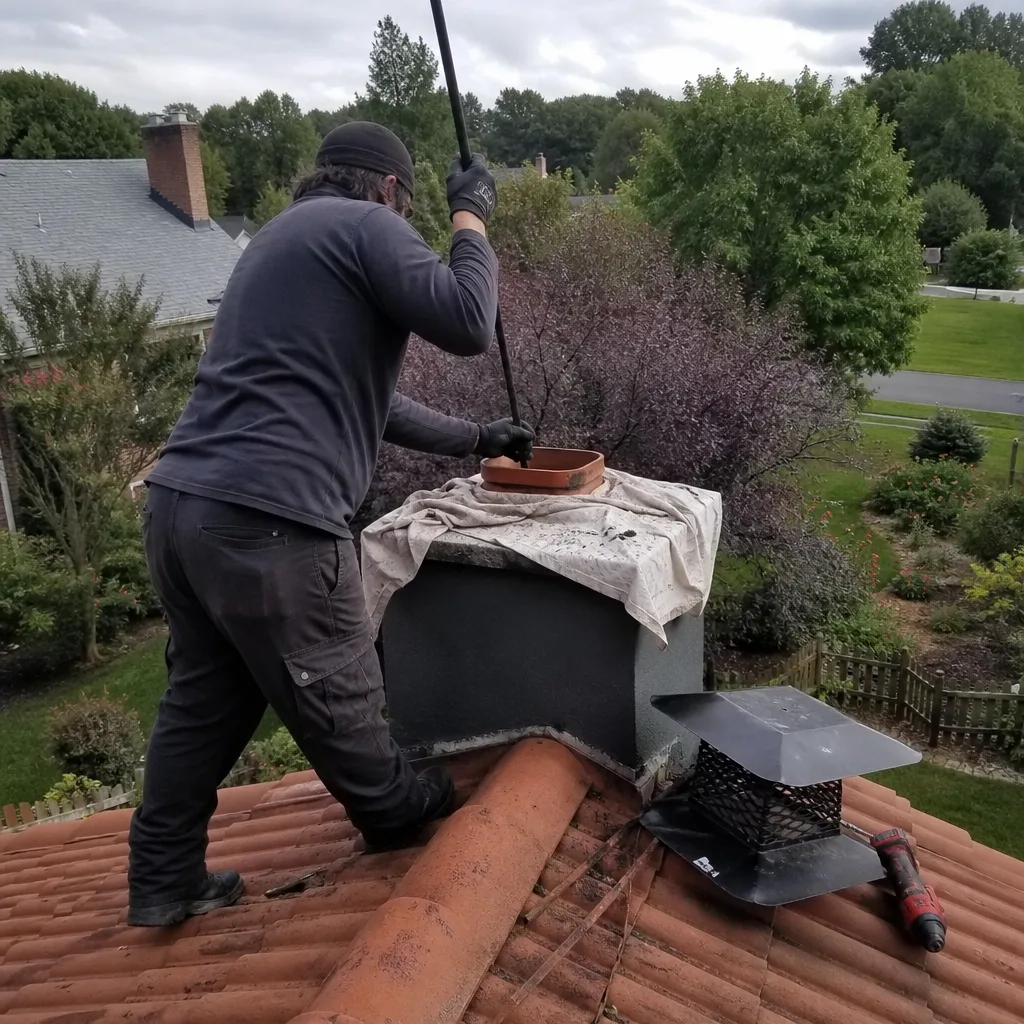
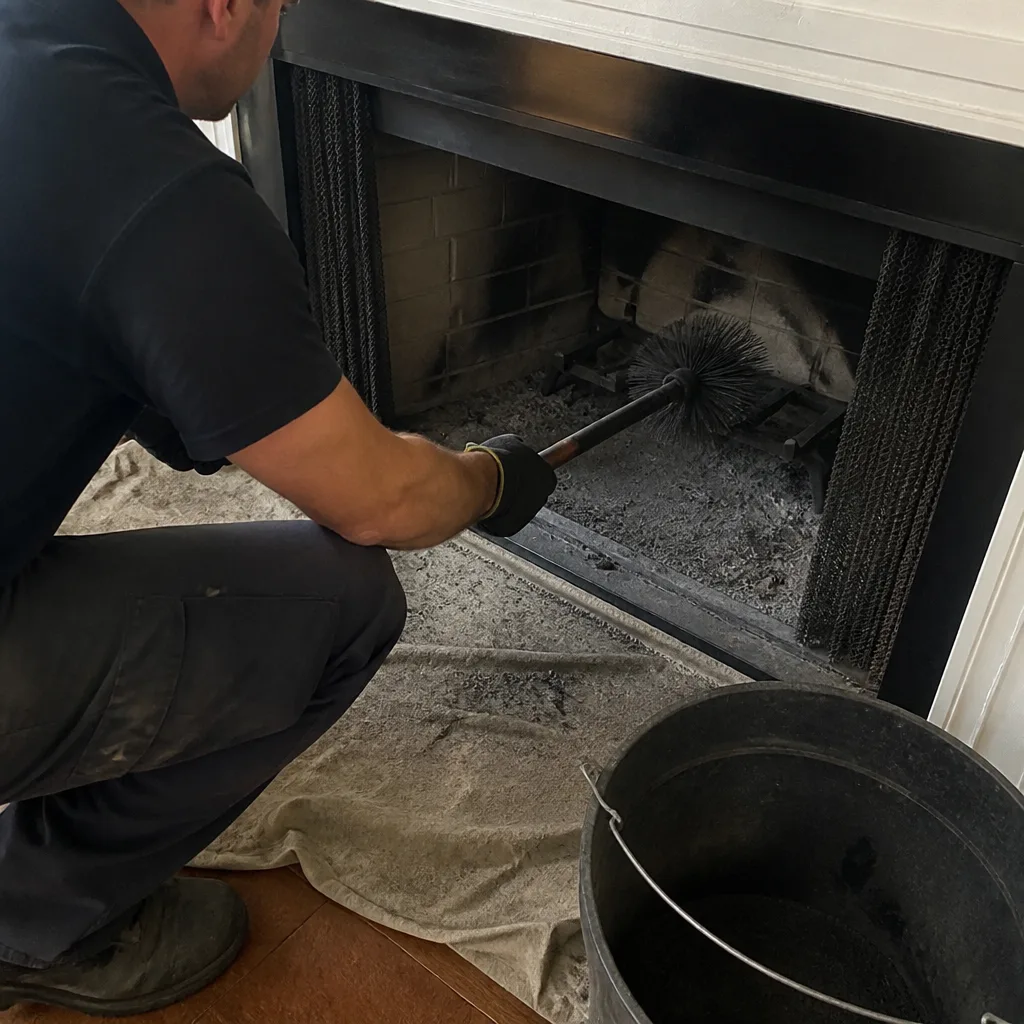
Chimney sweep logs do not sweep chimneys. They loosen some creosote - which then falls where a brush and vacuum still have to collect it.
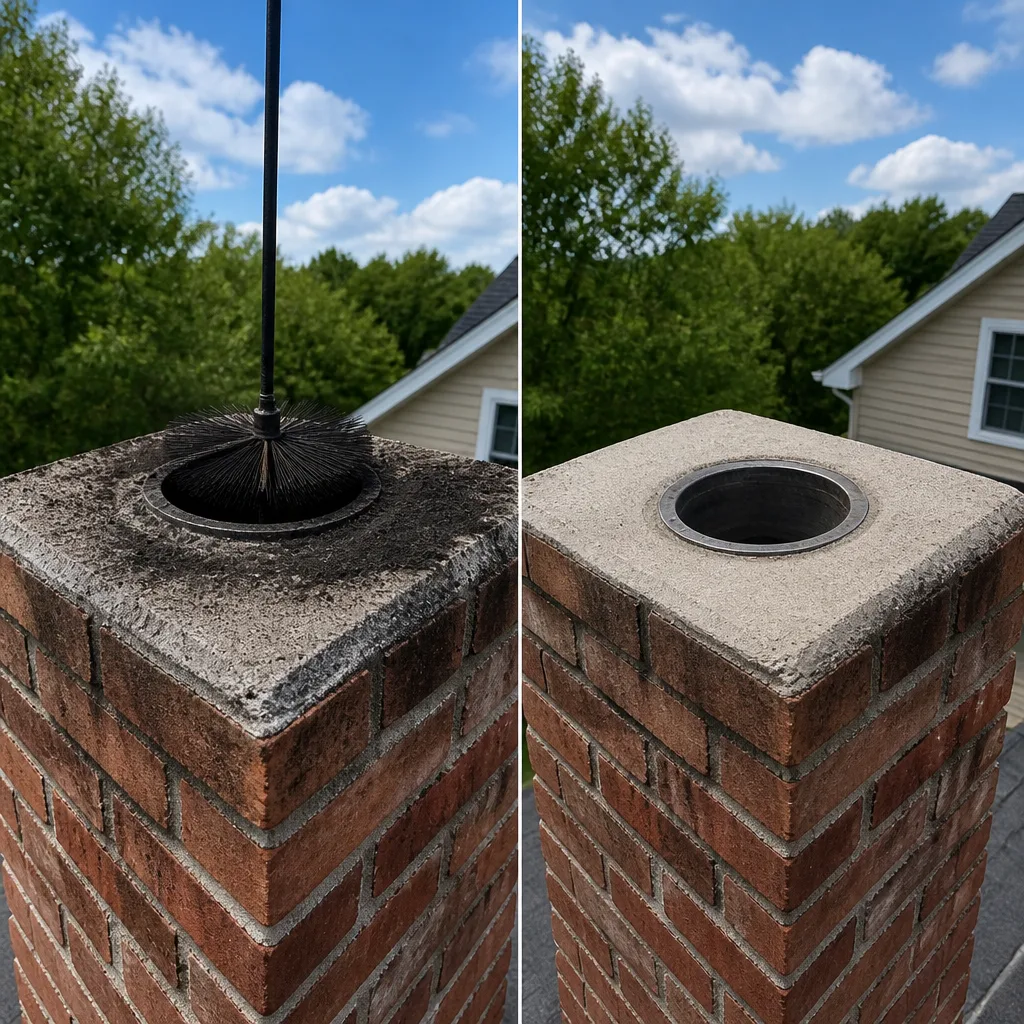
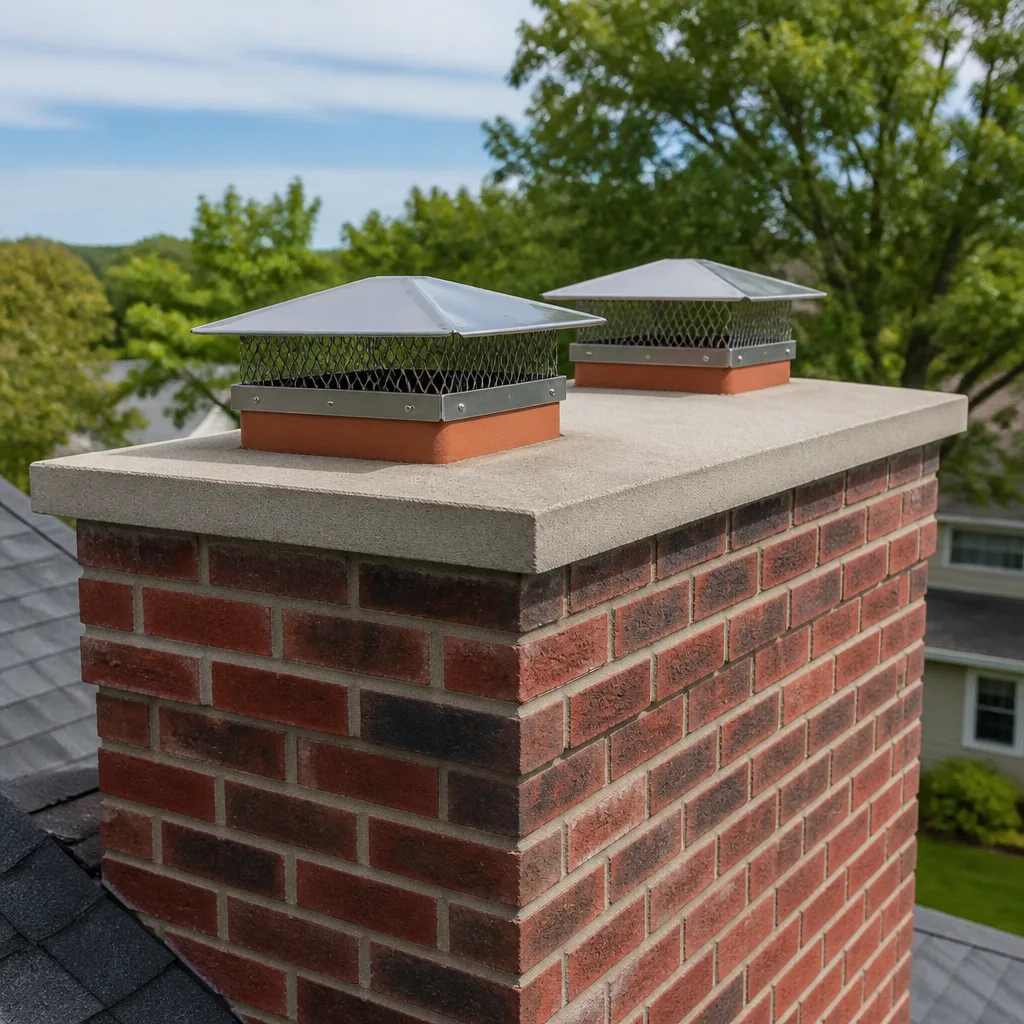
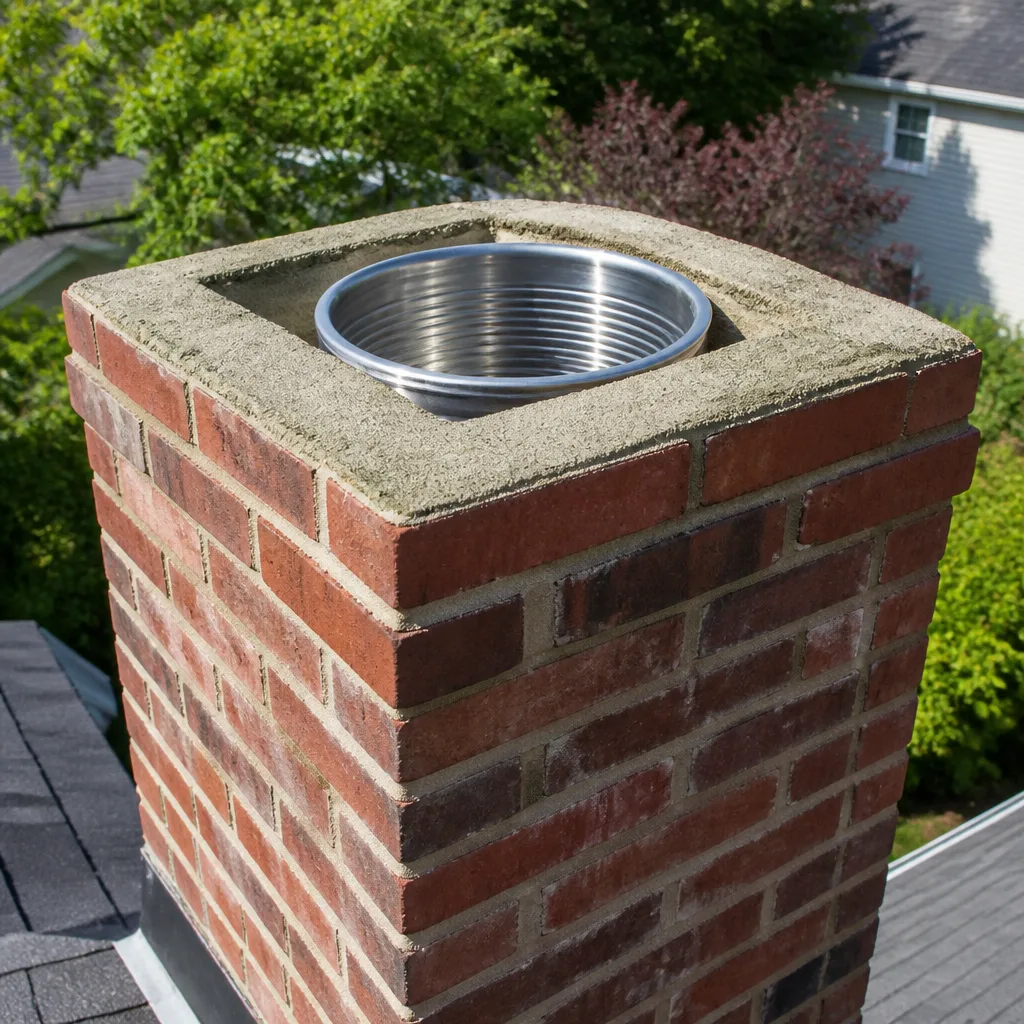
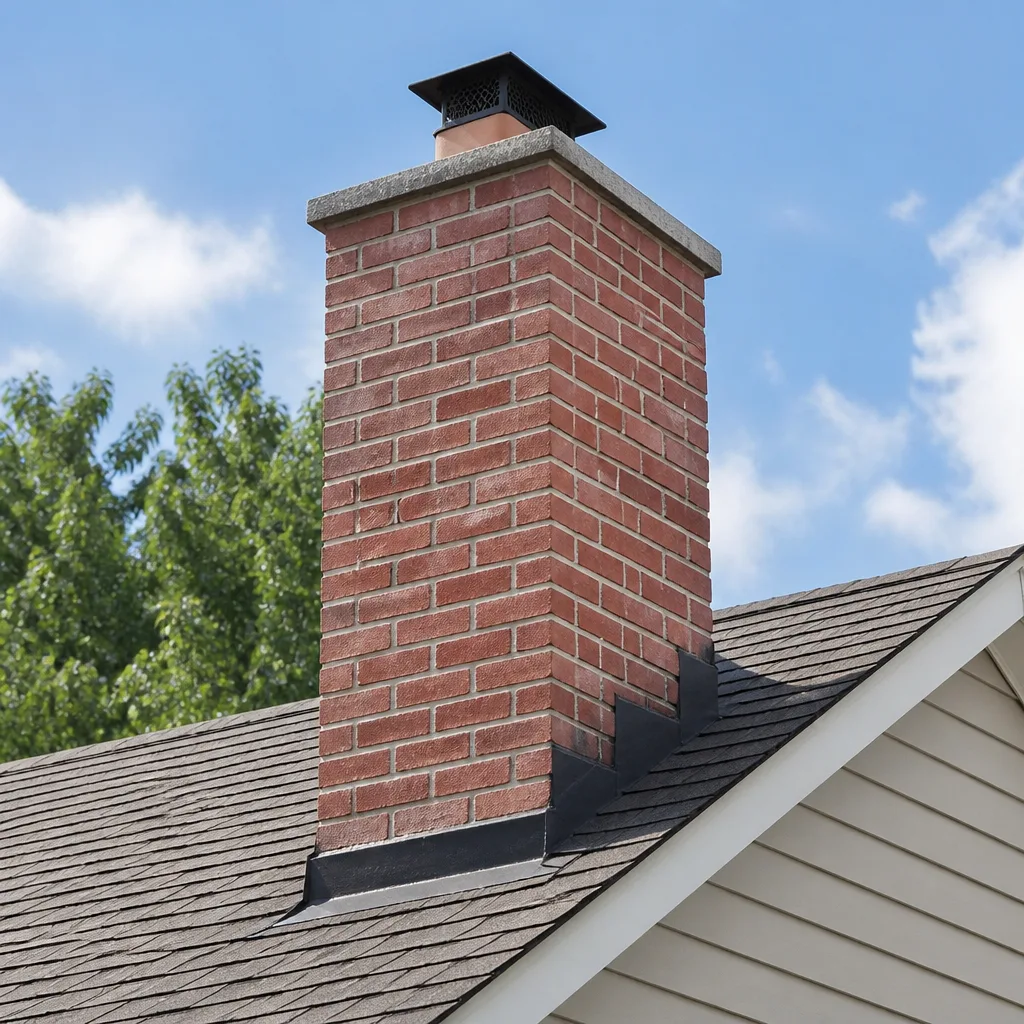
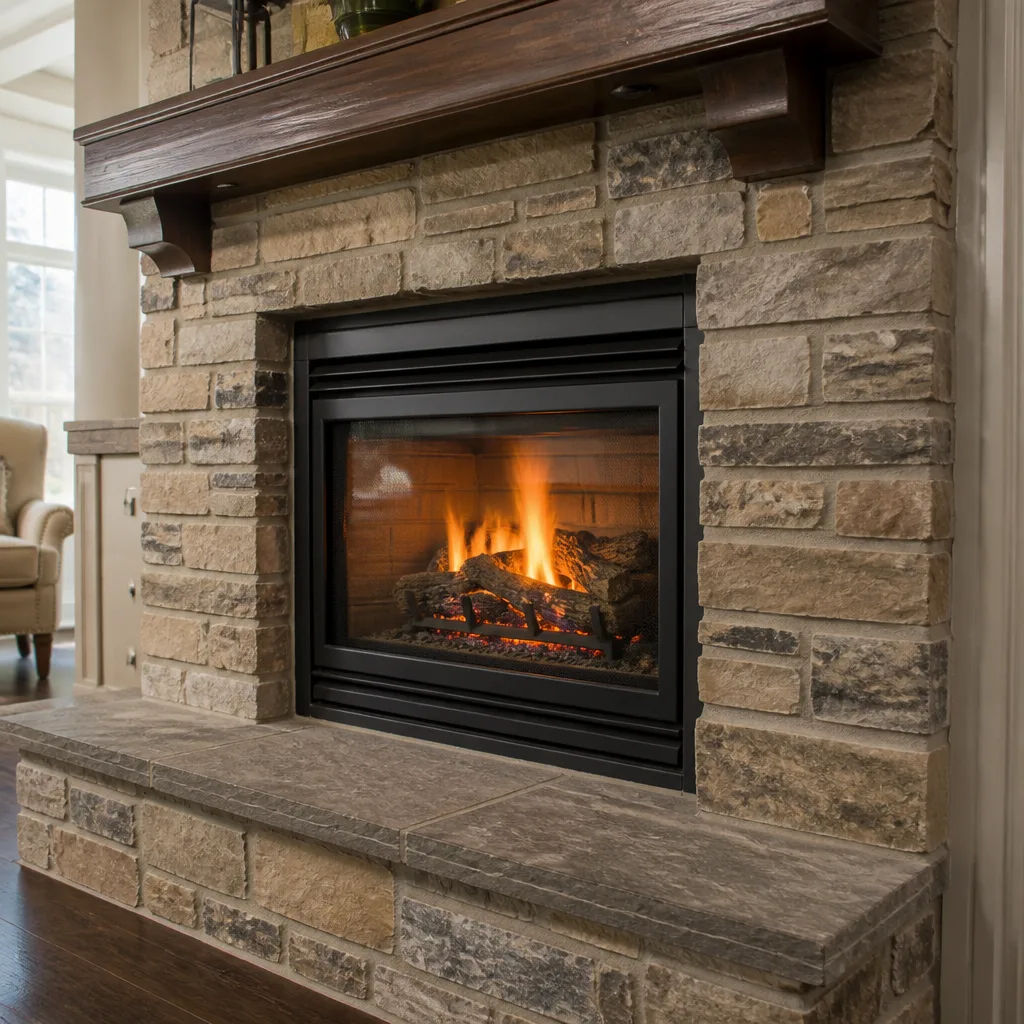
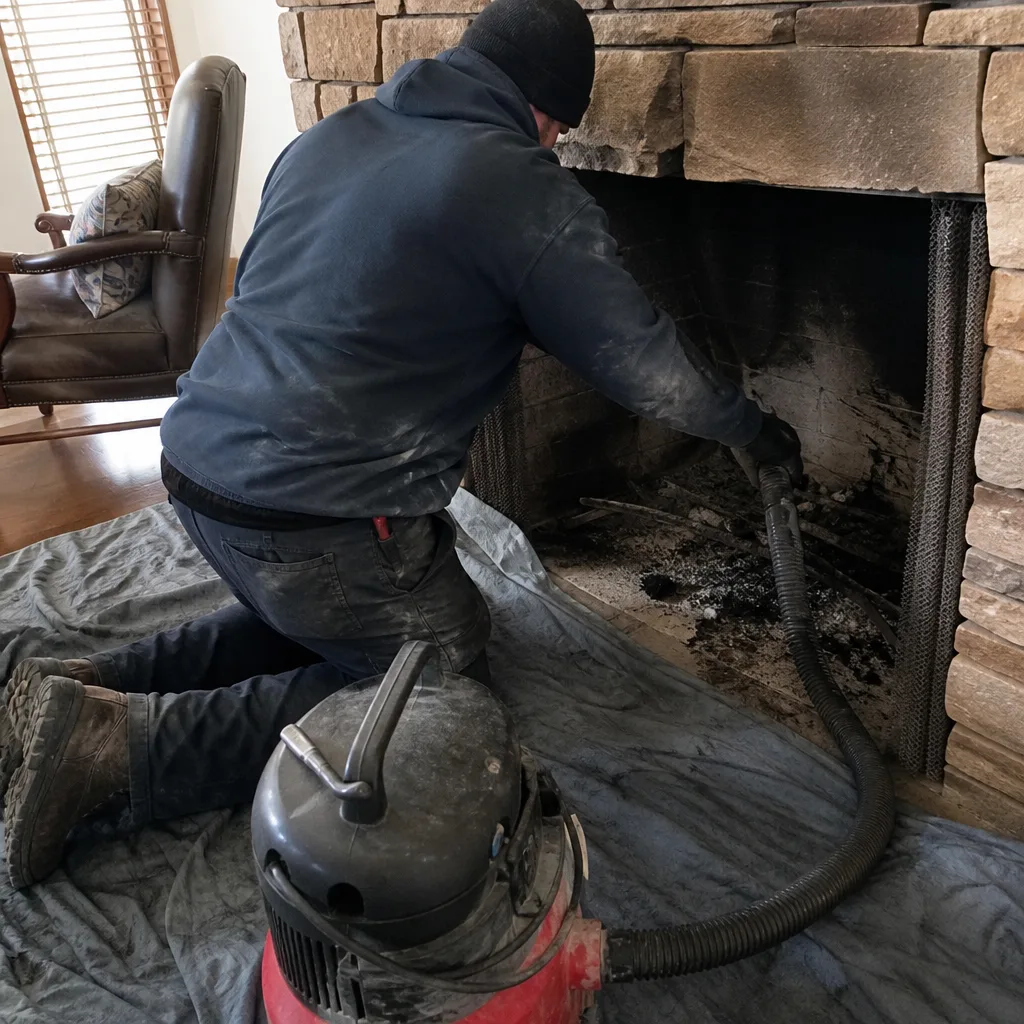 Before
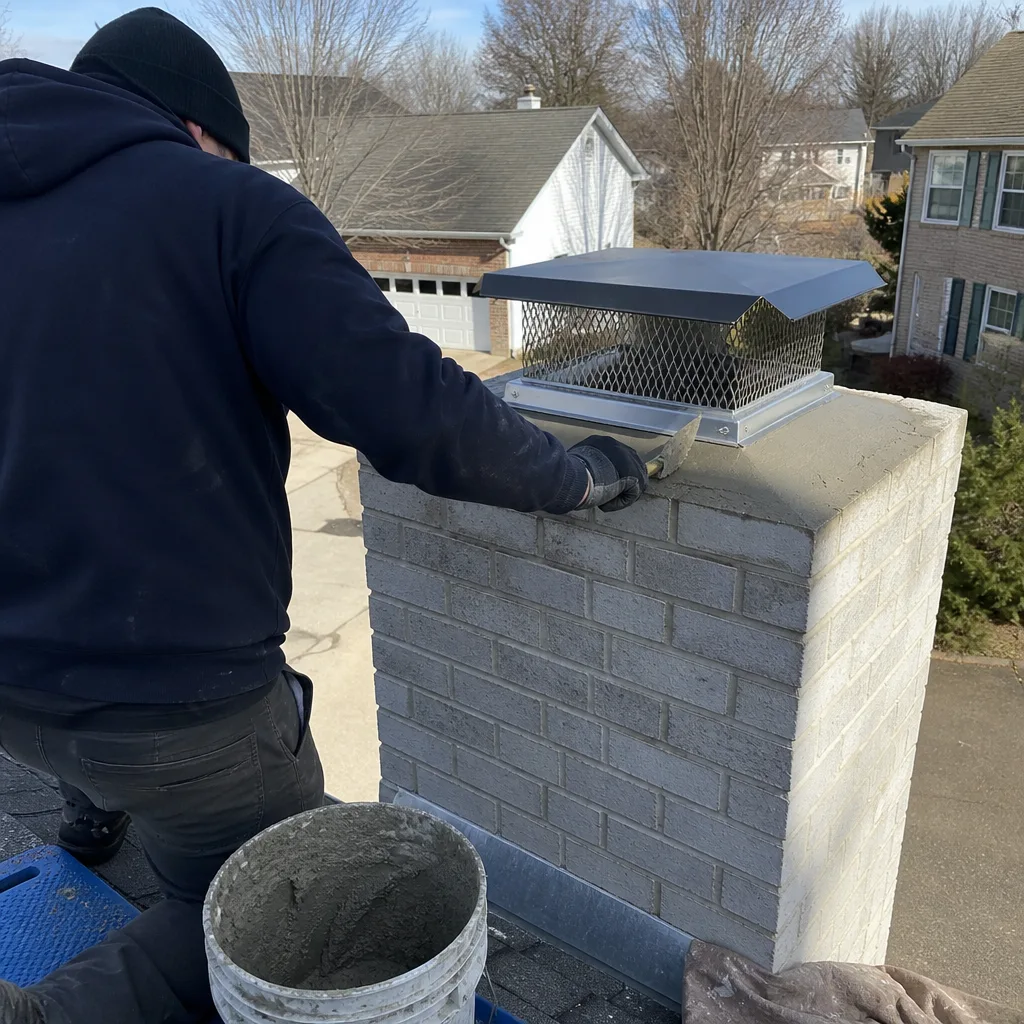 After
After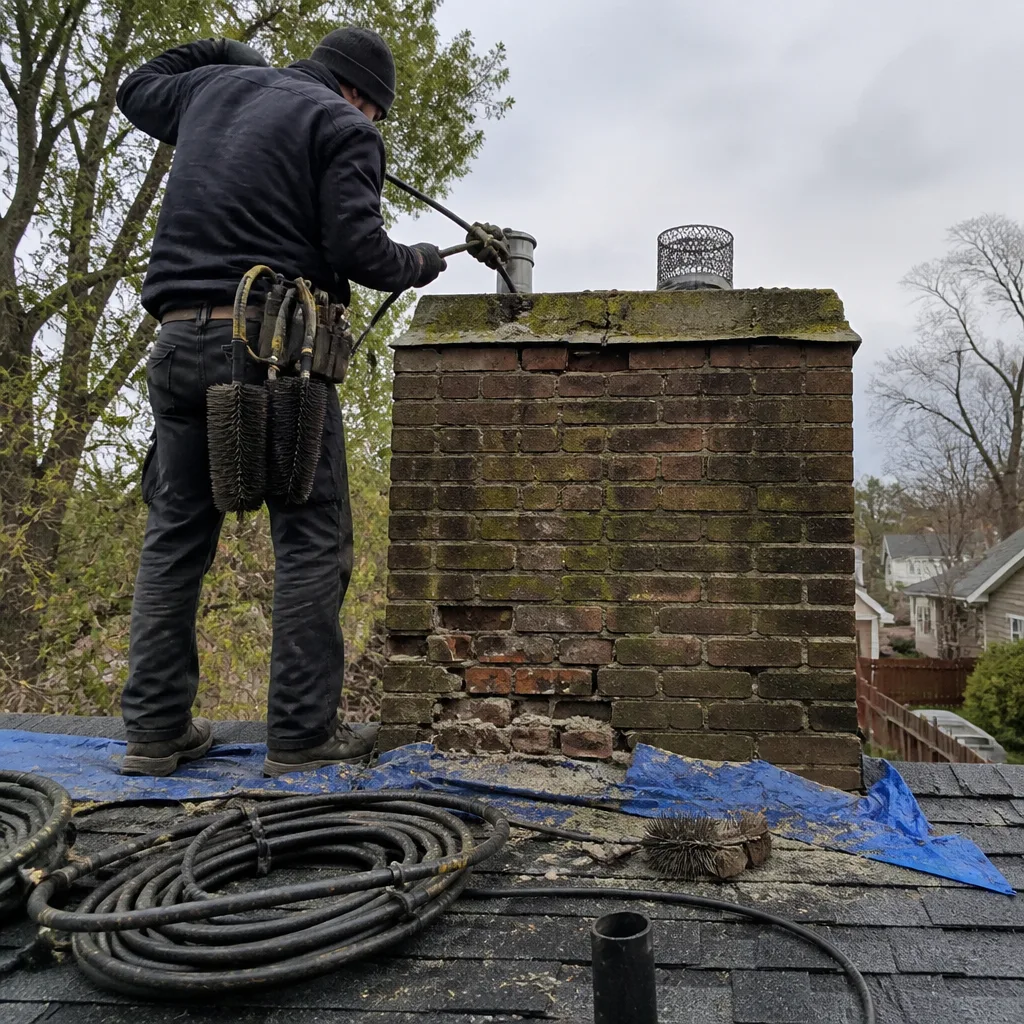 Before
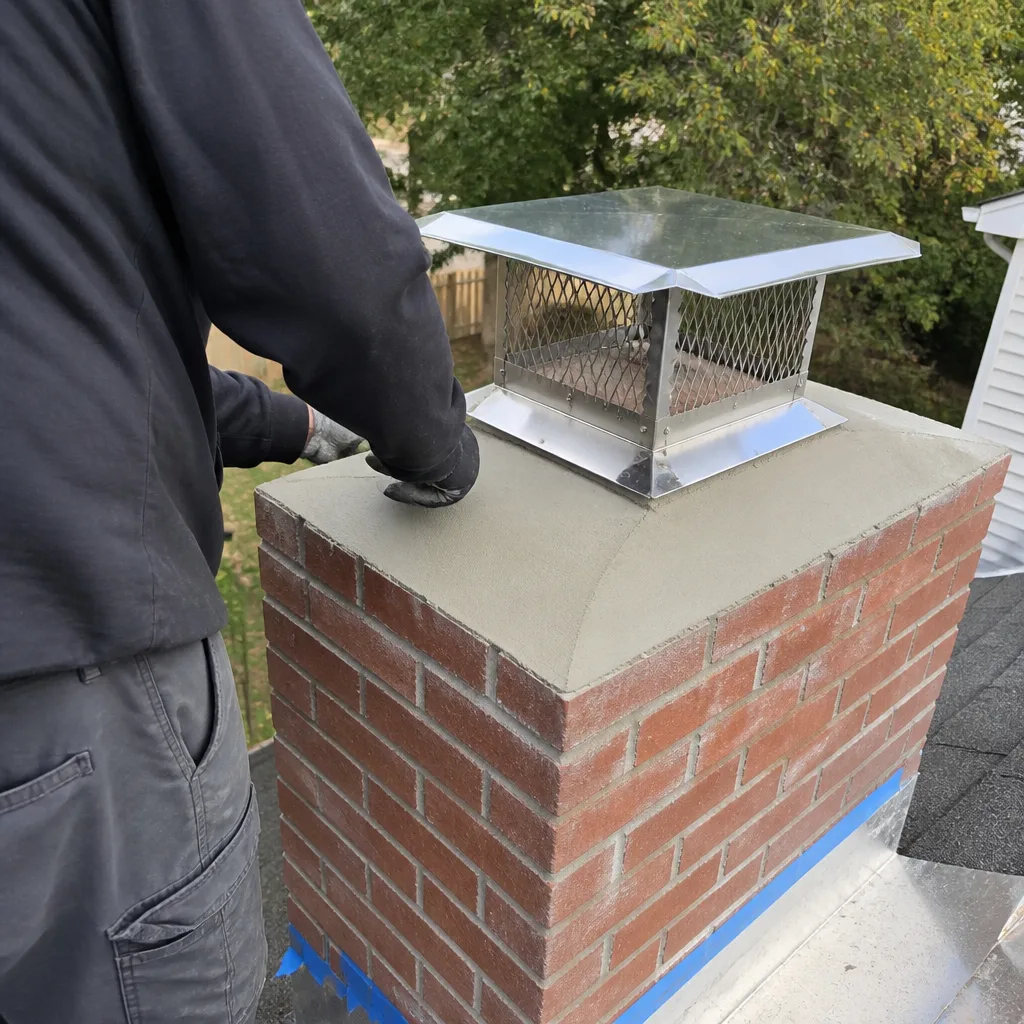 After
After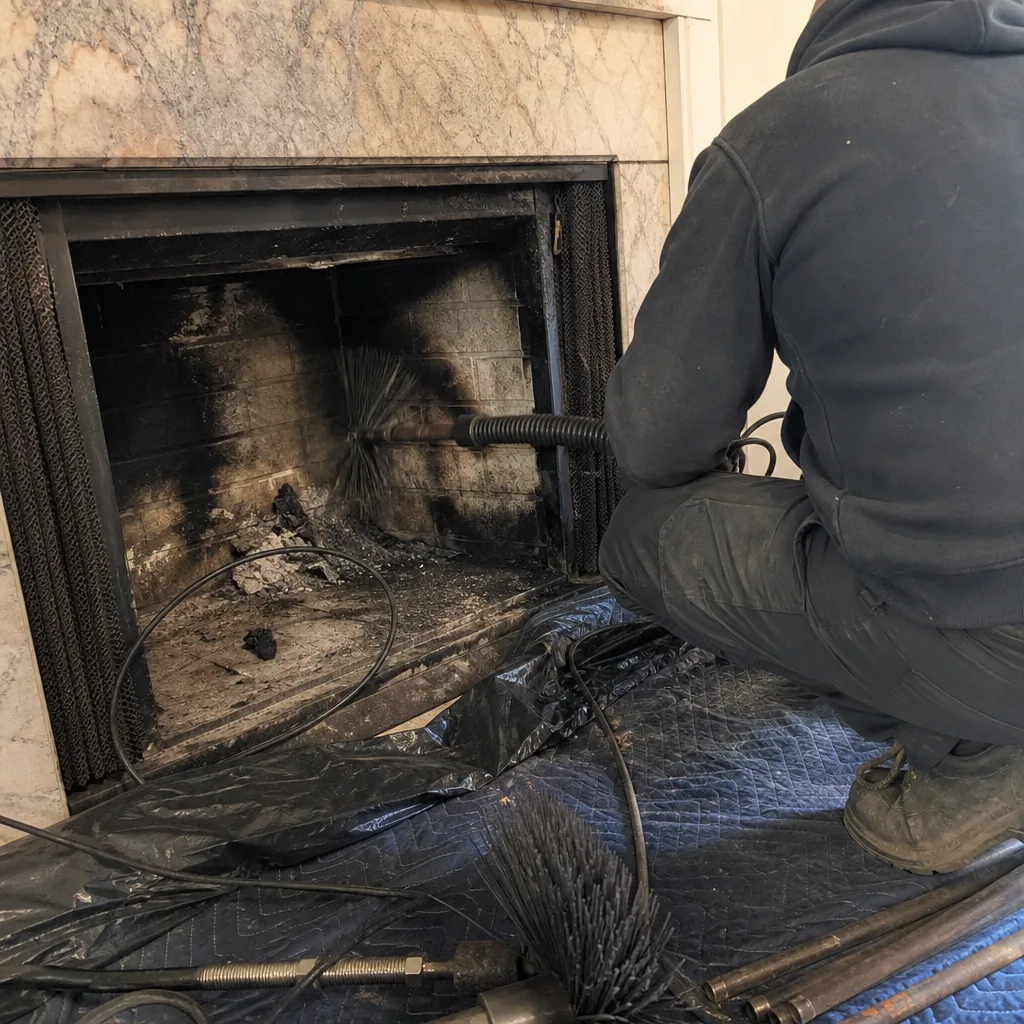 Before
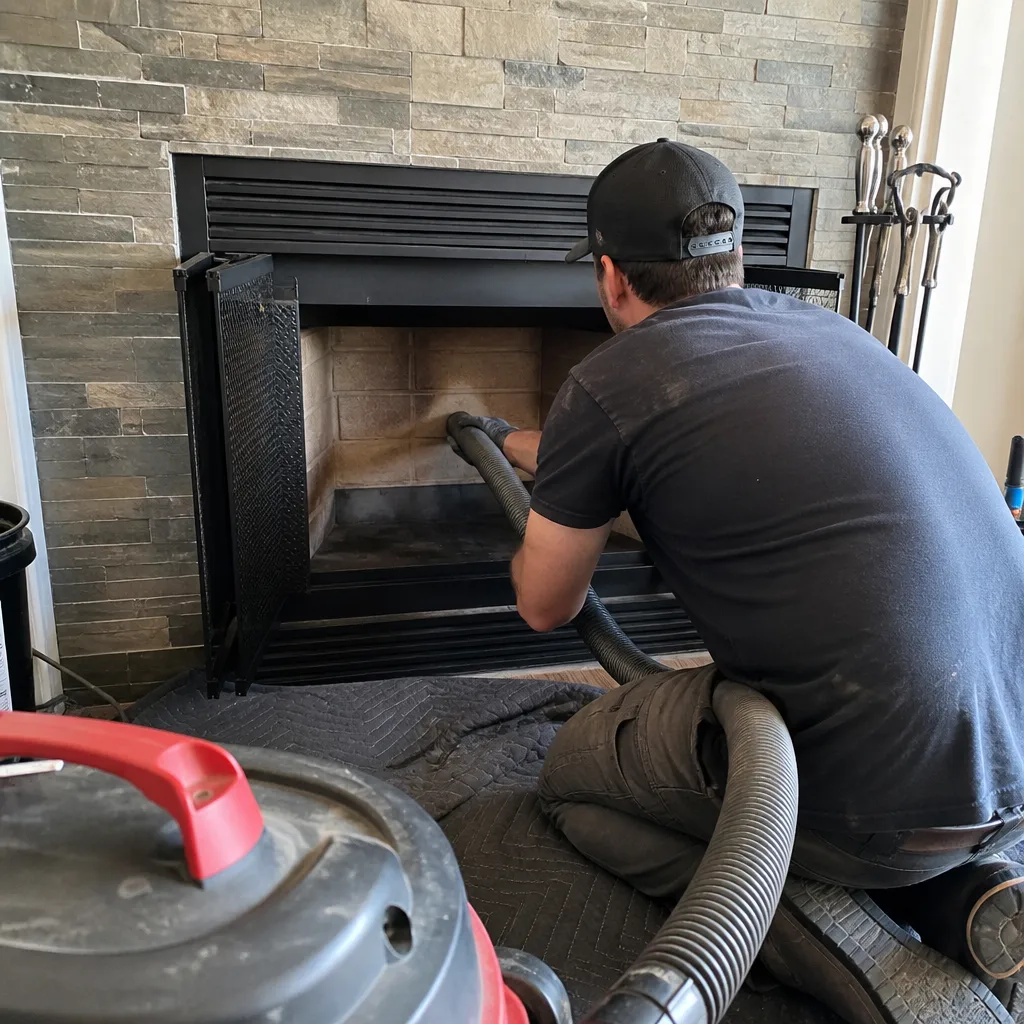 After
AfterChimney Cleaning Permits, Codes & Inspections in VA: What You Need to Know
A chimney relining in Virginia crosses into DPOR-regulated contractor work the moment it involves structural alteration of the flue or firebox. Yet a significant share of relining jobs in Loudoun County are performed without a permit, a fact that surfaces in home inspection reports and stalls closings. This guide-along with our Complete Guide to Chimney Cleaning in Ashburn-maps exactly where the legal line falls between a routine cleaning (no permit, ever) and a repair (permit often required, and you should know why). We’ll walk through the Virginia Uniform Statewide Building Code sections that govern this, what Loudoun County actually enforces, what a Level 2 inspection legally means during a real estate transaction, and what unpermitted work can cost you at resale in Ashburn.
Quick Answer
Chimney cleaning itself requires no permit anywhere in Virginia. It’s classified as routine maintenance. But the moment a sweep identifies a repair, a relining, a cap replacement that involves structural alteration, or a firebox rebuild, the permit question becomes real. In Loudoun County, a liner replacement typically requires a Class B contractor pulling a permit, while a simple chase cover swap may be a homeowner task. Knowing where that line sits is what protects you at resale.
Table of Contents
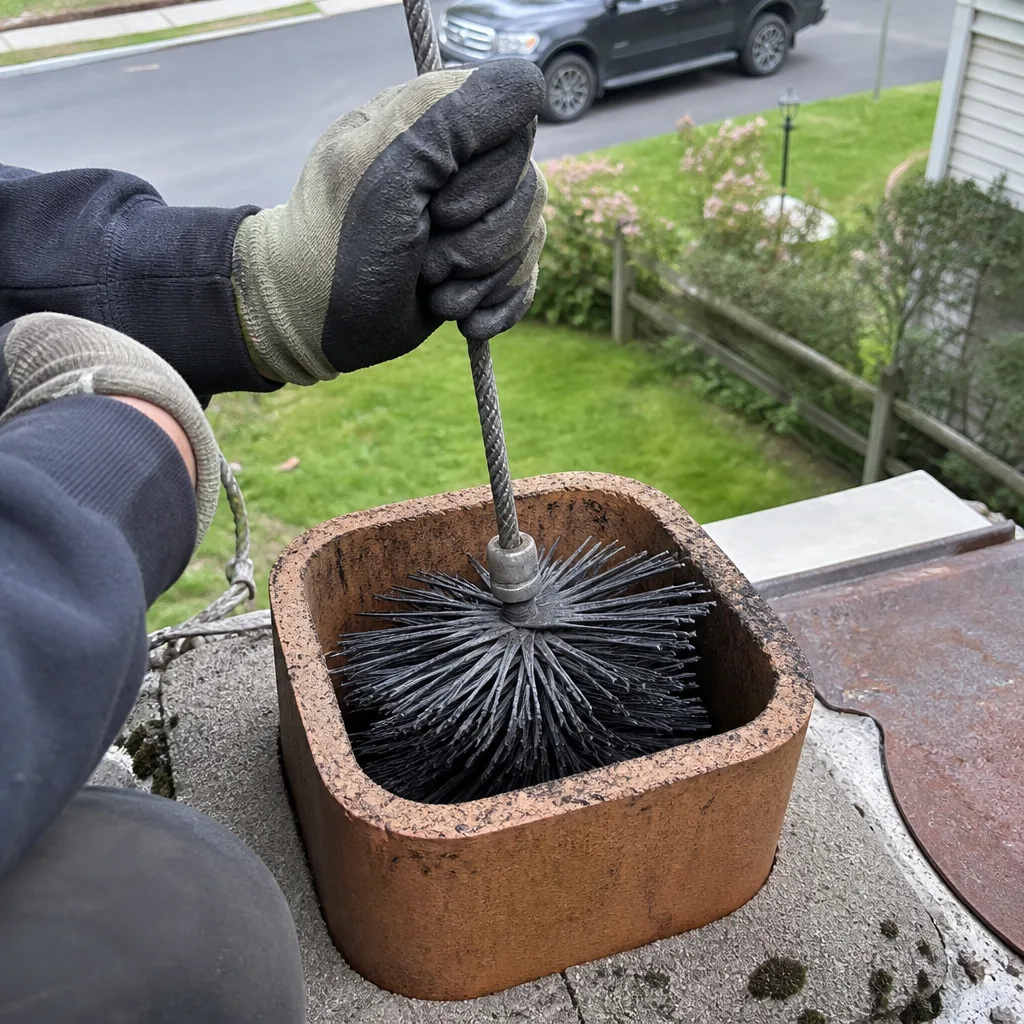
- Cleaning vs. Repair: Where the Virginia Code Draws the Line
- The Virginia Uniform Statewide Building Code Sections That Matter
- Loudoun County Permit Thresholds for Chimney Work
- NFPA 211 and What a Level 2 Inspection Means Legally
- What Unpermitted Chimney Work Costs You at Resale in Ashburn
- Documentation to Request and Store for Code-Compliant Work
- How Permits Interact with Homeowners Insurance
- Common Mistakes to Avoid
- When to Call a Professional
- Frequently Asked Questions
- The Bottom Line
BeforeAfterCleaning vs. Repair: Where the Virginia Code Draws the Line
This is the question we get asked most often at Level Two Chimney Ashburn, and the answer is simpler than most people expect. A chimney cleaning, which is the mechanical removal of creosote and soot from the flue using brushes, rods, and a vacuum, requires no permit in any Virginia jurisdiction, though homeowners should still watch for chimney cleaning warning signs. It’s classified as maintenance, the same category as changing your HVAC filter. No structural alteration occurs. The flue liner, smoke chamber, chimney crown, and masonry remain exactly as they were.
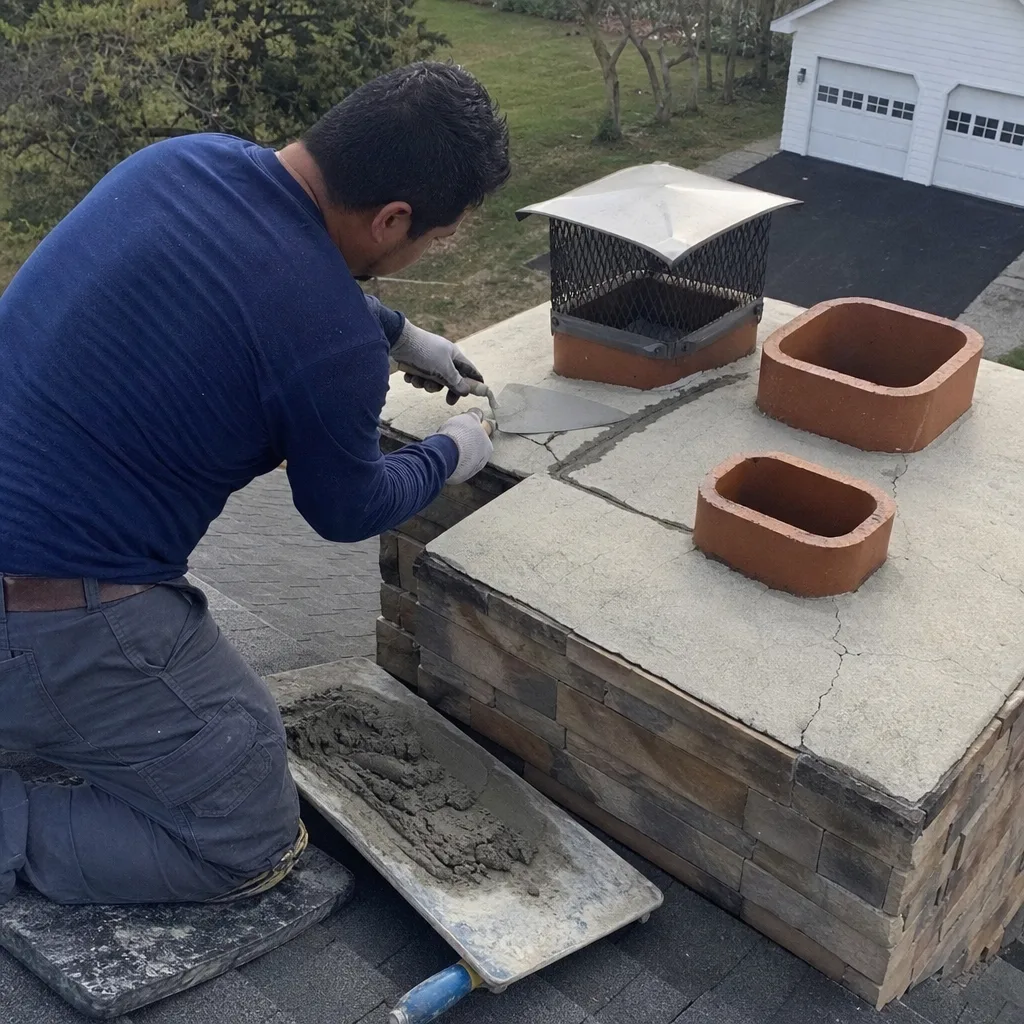
The line shifts the moment work involves alteration, repair, or replacement of any structural component. That includes relining a flue, rebuilding a firebox, replacing a chimney crown, installing a new chase cover that changes the structure, or parging a smoke chamber. These are regulated under the Virginia Uniform Statewide Building Code (VUSBC), and most require a permit pulled by a licensed contractor. The distinction isn’t about how invasive the work feels. It’s about whether the work changes the structure or restores it to its original condition using the same materials and methods. Cleaning restores nothing; it removes deposits. That’s the entire difference, and it’s the difference that matters legally.
Here’s a practical example from Ashburn. A homeowner in the Broadlands neighborhood calls us for a cleaning. Our tech runs the camera down the flue and finds a deteriorated clay tile liner with gaps at the joints. The cleaning itself proceeds without any permit. But the liner repair that follows requires a Class B contractor license in Virginia and a Loudoun County permit. The homeowner doesn’t need to pull anything for the cleaning. They do for the liner. If we do both on the same visit, the permit covers the liner work only, and our documentation separates the two so there’s no ambiguity later.
- Chimney sweeping and flue cleaning: No permit, no license required. It’s maintenance.
- Flue liner replacement or relining: Permit required in Loudoun County. Class B contractor required in Virginia.
- Chimney crown replacement: Permit required if structural. A cosmetic re-coating may not be.
- Chase cover replacement: Usually a homeowner task if it’s a simple swap with no structural change. If the chase is altered, permit required.
- Firebox rebuild or smoke chamber parging: Permit required. This is structural masonry work.
- Chimney cap installation: No permit if it’s a standard cap installed on an existing flue. A custom cap that alters the crown may require one.
When we perform chimney repair in Ashburn, we pull the permit before we start. That’s not a courtesy. It’s the only way the work is legal, and it’s the only way the homeowner has a documented record that holds up at resale. The permit number appears on the written scope of work we provide before anyone picks up a tool.
The Virginia Uniform Statewide Building Code Sections That Matter
The VUSBC is the controlling code for construction and repair work in Virginia, and it’s adopted by reference into every local jurisdiction, including Loudoun County. The sections that govern chimney systems are specific, and knowing them by number will help you spot a contractor who’s guessing.
Section 103 of the VUSBC defines what constitutes “construction” and when a permit is required. It states that no building or structure shall be erected, constructed, enlarged, altered, repaired, moved, improved, removed, converted, or demolished unless a permit has been issued. The key word for chimney work is altered and repaired. A flue liner replacement alters the chimney structure. A firebox rebuild repairs it. Both trigger the permit requirement. A routine cleaning does neither, which is why it sits outside the permitting system entirely.
Chapter 10 of the VUSBC, which adopts the International Residential Code (IRC) provisions for chimneys and fireplaces, sets the construction standards for liner materials, clearances, and terminations. If a contractor proposes a liner material or configuration that doesn’t meet Chapter 10, the permit won’t be issued, and the inspector won’t sign off. This is where a brand like Olympia Chimney matters. Their liner systems are engineered to meet the clearance and material requirements in the IRC, and we specify them because they pass inspection the first time. A no-name liner from a supply house might work, but it might also fail a VUSBC Chapter 10 inspection, and then the homeowner is stuck with permit fees for nothing and a liner that has to come out.
Section 113 covers inspections. A permit isn’t the end of the process. The work has to be inspected by the county building official, and the inspection has to pass. Section 113 states that it’s the permit holder’s responsibility to notify the building official when work is ready for inspection. If a contractor pulls a permit and never calls for inspection, the work is not code-compliant, and the permit remains open. An open permit is a title defect. It will appear on a title search at resale, and it will stall a closing in Ashburn just as effectively as an unpermitted job.
There’s a related provision worth knowing. Section 108 covers the requirements for contractor licensing. In Virginia, any contractor performing work valued at $1,000 or more must hold a contractor’s license from the Department of Professional and Occupational Regulation (DPOR). A chimney relining almost always exceeds that threshold. The contractor pulling the permit must hold at least a Class C license, and for structural work on a chimney, a Class B license is typically what Loudoun County expects to see on the permit application. A handyman without a DPOR license cannot pull a permit for a chimney repair in Ashburn, and any handyman who says a permit isn’t needed for a relining is simply wrong.
In our experience, most homeowners never see these code sections until something goes wrong. But the sections exist precisely to prevent the situations we see too often: a liner installed without a permit, an inspection that never happened, and a closing that falls apart when the buyer’s home inspector raises the question. Knowing the section numbers gives you a way to check. Any contractor working on your chimney should be able to cite the VUSBC chapter their work falls under without hesitating.
Loudoun County Permit Thresholds for Chimney Work
Loudoun County enforces the VUSBC through its Building and Development department, and the county publishes specific guidance on when a residential chimney project needs a permit. The thresholds are practical, and they’re enforced inconsistently enough that smart homeowners in Ashburn should know them cold.
A chimney cleaning or sweep never requires a Loudoun County permit. The county’s permitting guidance explicitly excludes routine maintenance from the permit requirement. If you call our Chimney Cleaning & Sweep in Ashburn service, there’s no permit, no filing, and no county interaction at all. The work is done, documented, and finished.
A flue liner replacement or relining requires a permit in Loudoun County, and the contractor performing the work must hold a Class B contractor license from DPOR. This is the most common chimney repair in Ashburn, and it’s the one most often performed without a permit. The county treats a relining as an alteration to the chimney structure because the existing liner is removed or bypassed and a new liner system is installed. Permitted work requires a final inspection by a county building official, and the permit record remains on file with the county permanently.
A chase cover replacement sits in a gray zone that surprises people. If the existing chase cover is removed and a new cover of the same dimensions is installed with no structural change to the chase, Loudoun County generally treats it as a homeowner maintenance task. No permit. But if the chase itself is altered, if the cover changes the termination height or requires framing changes, the permit requirement kicks in. If you’re unsure which category your project falls into, ask the contractor to show you the county guidance in writing. We do this automatically.
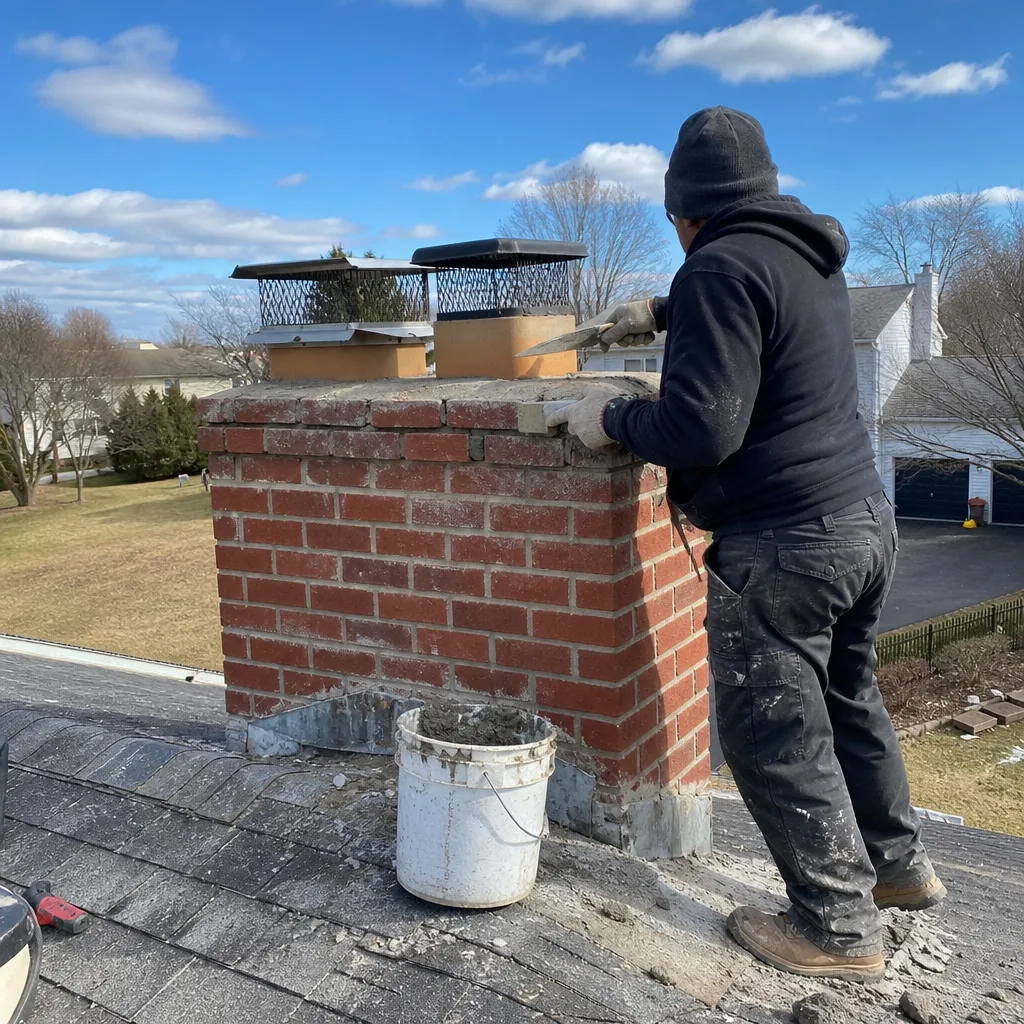
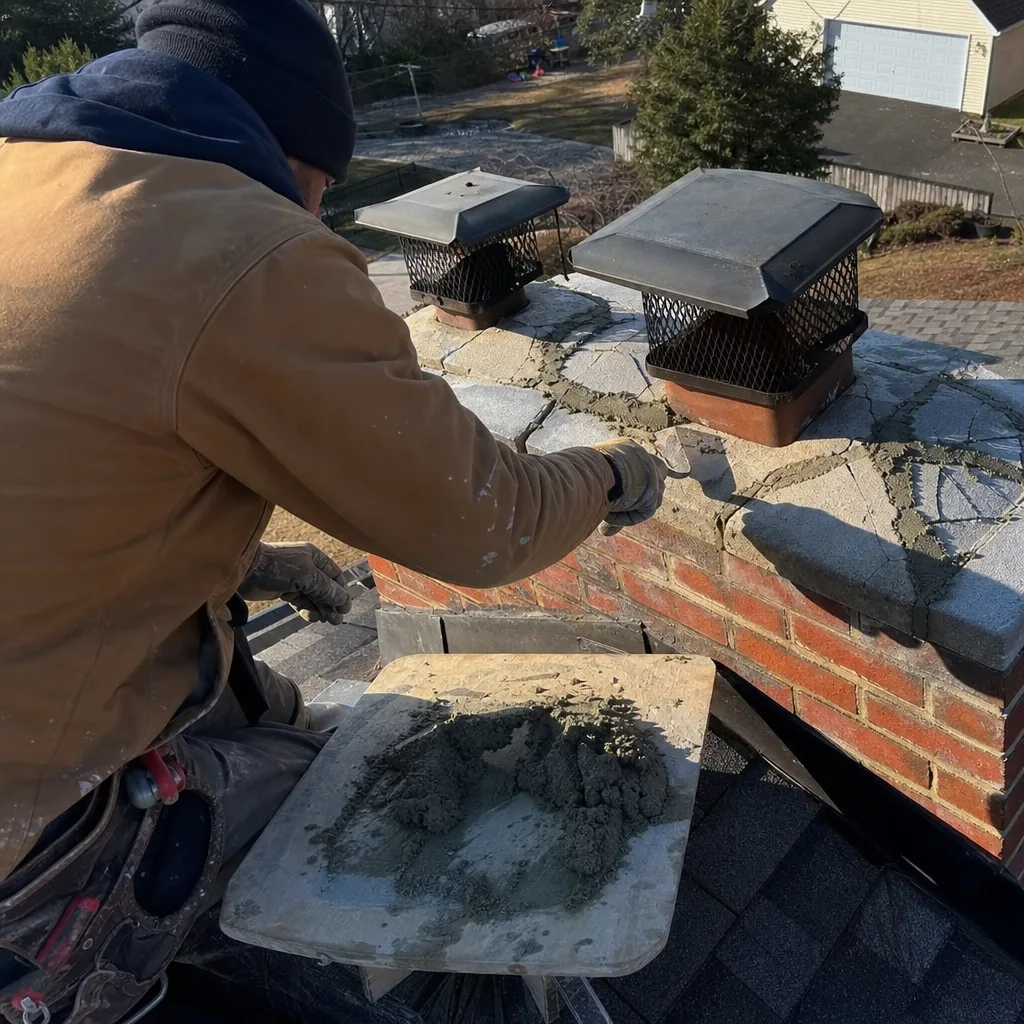
A chimney crown replacement is usually a permit-required repair if the crown is being demolished and re-formed. A cosmetic crown coating or minor patching may fall into the maintenance category. The distinction the county uses is whether the work changes the structural dimensions or materials. A re-formed crown with new concrete and reinforcement is structural. A crown sealant application is not.
For reference, here’s how we categorize the common chimney jobs in Ashburn and whether they need a Loudoun County permit:
| Job | Loudoun County Permit? | Contractor License Required? |
|---|---|---|
| Chimney sweep / flue cleaning | No | No |
| Flue liner replacement (relining) | Yes | Class B (DPOR) |
| Firebox rebuild | Yes | Class B (DPOR) |
| Chimney crown replacement (structural) | Yes | Class B (DPOR) |
| Crown coating / minor patching | No | No |
| Chase cover replacement (same size, no structural change) | No | No |
| Chimney cap installation (standard, flue-mounted) | No | No |
| Smoke chamber parging | Yes | Class B (DPOR) |
One nuance specific to Ashburn: many homes in communities like Ashburn Village and Ashburn Farm were built in the 1990s and early 2000s with prefabricated chimney systems. The chase covers on these systems rust out on a predictable schedule, and the liner sections degrade from the inside. Homeowners often assume that because the chimney is a factory-built system, repairs are simpler and permits aren’t needed. The opposite is true. A prefab chimney relining is still a structural alteration under the VUSBC, and Loudoun County treats it the same as a masonry relining. The permit requirement doesn’t depend on whether the chimney is brick or metal. It depends on whether the work alters the structure.
NFPA 211 and What a Level 2 Inspection Means Legally
NFPA 211 is the National Fire Protection Association standard for chimneys, fireplaces, vents, and solid fuel burning appliances. Virginia code references NFPA 211 as the accepted inspection standard for chimney systems, and it’s the standard a home inspector will cite when they flag a chimney issue in a resale inspection. Understanding what the standard says, and what a Level 2 inspection actually involves, protects you in two directions: you know what you’re paying for when you hire an inspector, and you know what a buyer’s inspector will look for when you sell.
NFPA 211 defines three levels of inspection. A Level 1 inspection is the baseline. It’s a visual examination of the readily accessible portions of the chimney, the flue, and the appliance connections. It’s what happens during a routine chimney cleaning when no changes have been made to the system. A Level 1 inspection confirms the system is basically sound and free of obvious blockages or damage. No specialized tools are required.
A Level 2 inspection includes everything in Level 1 plus access to attic, crawl space, and basement areas where the chimney passes through, and a video scan of the flue interior. A Level 2 inspection is required by NFPA 211 whenever a property is sold or transferred, whenever the system has been damaged by a chimney fire, earthquake, or weather event, and whenever a change is made to the heating appliance or fuel type. This is the inspection standard that matters during a real estate transaction in Ashburn. When a buyer’s home inspector writes “recommend Level 2 chimney inspection,” they’re citing NFPA 211, and the seller is expected to comply before closing. A Level 2 inspection is also what we perform on every visit at Level Two Chimney Ashburn, as detailed in our Chimney Cleaning & Sweep Maintenance Checklist for Ashburn Homeowners. The camera goes down the flue on every cleaning, every repair, and every fireplace service call. Clause 4 of the Haven Standard has required a documented photo record on every job since 2009, long before home inspectors started asking for it as a matter of course.
A Level 3 inspection is the most invasive. It involves removing portions of the chimney or building structure to access concealed areas. A Level 3 is required when a Level 2 inspection reveals a hazard that can’t be fully evaluated without accessing the concealed space. It’s rare in residential work in Ashburn, but it does happen, most often when a hidden flue fire has damaged the liner behind a finished wall. If a Level 3 inspection is recommended, the homeowner should expect a more involved process and a permit for the access work if any structural removal occurs.
Here’s a step-by-step of what a proper Level 2 inspection produces, and what you should expect to receive afterward:
- Visual examination of the chimney exterior, crown, cap, flashing, and firebox. Any spalling brick, cracked crown, or rusted chase cover gets photographed and noted.
- Interior video scan of the flue from the firebox to the termination. The camera identifies liner cracks, gaps, creosote class, and blockages. This is the only reliable way to see inside a flue, and it’s the part most contractors skip.
- Documented findings in a written report that includes the date, the technician’s name and license number, the camera footage, and still photos of every issue found. If there are no issues, the report says so plainly.
- Written recommendations with a specific scope of work and a specific price, if any work is needed. Not a vague “your liner needs attention.” A specific: “clay tile liner cracked at the fifth tile joint, relining recommended, $X,XX.”
- A copy of the video footage delivered to the homeowner. This is your evidence. If a second opinion is needed, the footage goes with you.
In a legal context during a real estate transaction, the Level 2 inspection report is a material disclosure document. If the inspection reveals a defect and the seller fails to disclose it to the buyer, the seller has exposure under Virginia’s residential property disclosure act. Conversely, if the seller has a clean Level 2 report from a reputable company, the buyer’s leverage diminishes. The report becomes the defense. This is why the documentation matters as much as the inspection itself.
What Unpermitted Chimney Work Costs You at Resale in Ashburn
Let’s talk about the actual dollars. Unpermitted chimney work doesn’t just create a theoretical risk. It creates a concrete, quantifiable cost at resale in Ashburn, and the mechanics of it are predictable enough that we can describe them exactly.
When you sell a home in Ashburn, the buyer’s home inspector will examine the chimney system as part of the standard inspection. If the inspector sees evidence of recent chimney work, a new liner cap, fresh mortar at the crown, a new chase cover, the inspector will typically ask the standard question: “Was this work permitted?” If the seller can’t produce a permit record and a final inspection sign-off from Loudoun County, the inspector has a duty to flag it. A flagged chimney defect on an inspection report becomes a negotiation item. The buyer requests either a credit, a price reduction, or repairs performed by a licensed contractor with permits. The credit request is usually the cost of the repair plus a buffer for unknowns. In the Loudoun County market, a flagged unpermitted chimney repair typically results in a credit request between $1,500 and $6,000, depending on the nature of the work and the buyer’s leverage. That’s not a penalty. It’s the market pricing the risk the seller created by skipping the permit.
There’s a second cost that’s less visible but often larger. If the unpermitted work was structural, a flue relining or a firebox rebuild, and the buyer’s lender identifies the open permit issue, the loan can be delayed or conditioned on the work being corrected and permitted retroactively. Retroactive permitting in Loudoun County is not a simple process. It requires the work to be exposed for inspection, which often means tearing out finished surfaces, and the county has no obligation to issue a permit for work that’s already been completed. Some contractors who skipped the permit will offer to “fix it” by pulling a permit after the fact, but the county inspector will want to see the work, not a photo of the work. If the liner is already installed and bricked in, good luck.
We’ve seen the pattern in Ashburn neighborhoods repeatedly. A homeowner in Lansdowne hires a low-bid contractor for a relining. The contractor says a permit isn’t necessary. The work gets done. Two years later, the homeowner lists the house. The buyer’s inspector flags the liner as non-permitted. The buyer requests a $4,000 credit. The seller is backed into a corner because the work is done and can’t be easily inspected. The credit gets paid. The seller effectively paid for the liner twice.
The counterexample is simple. A homeowner hires a contractor who pulls the permit, does the work, and calls for the final inspection. The permit record is on file with the county. At resale, the inspector asks, the seller produces the permit number, the issue disappears. That’s the entire economic case for permitted work in three sentences.
If you already own a home with unpermitted chimney work, don’t panic. The situation is fixable in most cases. The first step is a Level 2 inspection to document the current condition of the system. If the work is sound, you now have a professional report that says so. The permit issue remains a disclosure item, but a clean inspection report shifts the conversation from “is the chimney safe” to “was the paperwork filed correctly.” The second step is a conversation with a licensed contractor about whether the work can be permitted retroactively, which is sometimes possible if the contractor can inspect the work and sign off on it. The worst thing you can do is ignore the issue and hope the buyer’s inspector doesn’t look up. They will look up.
We offer a Chimney Repair in Ashburn service that includes permit management as part of the scope of work. The permit is pulled before work starts, the inspection is scheduled after work completes, and the permit number and final inspection record are delivered to the homeowner with the written warranty. If you’re buying a home in Ashburn and the inspection turns up chimney issues, we can also perform a second-opinion Level 2 inspection and give you our own written assessment. Enough closings have stalled over chimney issues in this market that we keep a standing process for it.
Documentation to Request and Store for Code-Compliant Work
Most homeowners treat chimney repairs the way they treat an oil change: pay the bill, file the receipt, move on. That’s fine for maintenance. It’s a mistake for structural work. The documentation you keep from a permitted chimney repair is what protects your position at resale, and there are specific documents you should request and store in a specific folder. Here’s what the folder should contain for any structural chimney work in Ashburn, whether it’s a liner replacement, a firebox rebuild, or a crown replacement.
- The Loudoun County permit record. This includes the permit number, the date of issuance, the contractor’s name and license number, and the final inspection sign-off. If the final inspection never happened, the permit is open, and the record is incomplete. Request the final inspection approval in writing. The county maintains these records electronically, and you can verify a permit’s status through the county’s online permit portal.
- The written scope of work. The document should describe exactly what was done, what materials were used, and what the final condition of the system is. Generic language like “chimney repair” is not sufficient. A proper scope reads: “Removed deteriorated clay tile liner, installed 6-inch stainless steel liner system from Olympia Chimney, parged smoke chamber, sealed crown with elastomeric coating.” If your contractor won’t write a scope that specific before work starts, that’s the signal to find a different contractor.
- The written warranty. For a liner replacement, the warranty should be in writing and should cover both materials and workmanship. Materials warranties from manufacturers like Copperfield are strong, often 20 years to lifetime. Workmanship warranties depend on the contractor. At Level Two Chimney Ashburn, the 365-Day Done Right Promise is stamped on every job under the Haven Standard. If it’s not done right, we make it right.
- The Level 2 inspection report with photo and video record. This is the evidence that the work was performed correctly and that the system is in sound condition. Clause 4 of the Haven Standard requires this on every job, and we’ve been doing it since 2009. The report should include the technician’s name, the date, the camera footage, and still photos. Store the digital files somewhere you can find them in five years.
- The contractor’s license information. The DPOR license number should appear on the contract, the permit, and the invoice. If it doesn’t, ask why. A licensed contractor in Virginia will have no hesitation providing their license number. The number should be verifiable through DPOR’s online license lookup, and you should verify it before work starts.
This documentation package is what a buyer’s agent will ask for at resale. It’s what a home inspector will ask to see. It’s what a title company will run down if there’s any question about open permits. If you have all five documents in a folder, the chimney issue disappears from the transaction. If you have none of them, the chimney becomes a negotiation point, and the buyer holds the cards.
One more thing specific to Ashburn and Loudoun County: the county’s permit records are public and searchable by address. A cautious buyer’s agent can pull the permit history for your property in ten minutes. If your chimney was relined in 2021 and there’s no permit record for that year, the question won’t come from the home inspector. It will come from the agent or the title company. This is the transparency era of real estate transactions, and pretending the permit issue didn’t exist isn’t a strategy. It’s a liability.
How Permits Interact with Homeowners Insurance
The permit question intersects with insurance in two ways, and both matter more than most homeowners realize. In Ashburn, where chimney fires are a seasonal risk in older brick homes and where prefab chase covers fail on a schedule, insurance companies have specific positions on chimney work.
First, unpermitted structural work can void or limit coverage. If a chimney fire occurs and the insurer’s investigation finds that the flue liner was replaced without a permit, the insurer may deny the claim on the basis that the work was not code-compliant. The policy language in most Virginia homeowner policies requires that the home be maintained in a code-compliant condition. An unpermitted liner installation violates that condition. The insurer doesn’t need to prove the liner caused the fire. They only need to establish that the home was not code-compliant at the time of the loss. It’s a low bar, and it’s one more reason to insist on permits for structural chimney work.
Second, some insurers now require a Level 2 chimney inspection before issuing or renewing a policy on a home with a wood-burning fireplace or a wood stove. This is more common in rural parts of Loudoun County than in Ashburn proper, but it’s spreading. The insurer wants documentation that the chimney system is sound and that any repairs were performed by a licensed contractor. If you can’t produce the documentation, the insurer may decline coverage or write the policy with a chimney exclusion. A clean Level 2 report from a company that documents its work is the easiest way to satisfy the requirement.
The practical takeaway is that the permit question isn’t just a resale issue. It’s an active insurance issue that can cost you money every year or leave you exposed when you need coverage most. The documentation package described in the previous section is also the package you send to your insurer. Keep it current. If you make a structural change to your chimney, update the file.
Common Mistakes to Avoid
- Believing a contractor who says a permit isn’t needed for a relining. A flue relining in Loudoun County requires a permit, period. If a contractor says otherwise, they either don’t know the code or don’t want the county inspecting their work. Neither is acceptable. Ask for the VUSBC section that supports their claim.
- Paying for a “free inspection” that turns into a $5,000 scare quote with no camera footage. A real inspection includes a video scan and a documented report. If the contractor can’t show you the footage, they didn’t do the inspection. We’ve performed thousands of Level 2 inspections in Ashburn, and the camera footage has been standard on every single one since 2009.
- Replacing a clay tile liner with another clay tile liner. Clay tile liners crack, and when they crack, the flue is compromised. A stainless steel system from Olympia Chimney or Copperfield is the modern standard. It’s more expensive upfront and dramatically cheaper over the life of the home. If a contractor proposes a clay tile relining in Ashburn, get a second opinion.
- Storing no documentation after a chimney repair. The permit record, the written scope, the warranty, and the Level 2 report are your resale defense. If you don’t have them, the buyer’s inspector will assume the worst. Create the folder. Store it with your closing documents.
- Waiting until the chimney smokes back into the house before addressing it. By the time a chimney is visibly failing, the repair is usually more extensive and more expensive. A Level 1 inspection during your annual cleaning catches liner cracks and crown damage before they become firebox rebuilds. The annual cleaning is the cheapest chimney insurance you can buy.
- Hiring a handyman for chimney structural work because the price is lower. A handyman cannot pull a permit for structural chimney work in Virginia. The work won’t be code-compliant, won’t be insurable, and will surface at resale. The lower price is an illusion that gets paid back with interest when the home is sold.
- Assuming a prefab chimney doesn’t need permits for repairs. Prefab chimney systems are regulated under the same VUSBC provisions as masonry. A chase cover replacement that changes the structure, a liner replacement, or a firebox replacement all require permits. The fact that the chimney is metal doesn’t change the code.
When to Call a Professional
Call a professional chimney contractor in Ashburn when you see any of these conditions: smoke backing up into the room, a strong creosote odor even when the fireplace is cold, visible cracks in the chimney crown or flue tiles, rust on the chase cover, water staining on the ceiling near the chimney, or a home inspection report that flags the chimney in any way. Also call if you’ve owned the home for more than a year and have never had the chimney inspected; see our more guides & resources for what to expect. An unmaintained chimney is a hidden liability, not a neutral condition.
Level Two Chimney Ashburn offers free estimates in Ashburn. Call (240) 220-9412 and we’ll schedule a Level 2 inspection with a camera scan and a written report. You’ll get a written price before any work starts, every time.
Frequently Asked Questions
No. Chimney cleaning is classified as routine maintenance under the Virginia Uniform Statewide Building Code and requires no permit anywhere in Virginia, including Loudoun County. A cleaning involves removing creosote and soot with brushes and a vacuum, with no structural alteration to the chimney system.
A permit is required when the work involves structural alteration or repair of the chimney system. This includes flue liner replacement, firebox rebuilds, structural chimney crown replacement, and smoke chamber parging. A simple chimney sweep, a standard cap installation, or a same-size chase cover swap does not require a permit. If you’re unsure which category your project falls into, call (240) 220-9412 and we’ll confirm in writing.
A Level 2 inspection is the NFPA 211 standard for property transfers. It includes a visual examination of all accessible chimney areas plus a video scan of the flue interior. It matters at resale because Virginia home inspectors cite NFPA 211 when they flag chimney issues, and a clean Level 2 report from a reputable contractor is the documentation that resolves the flag. Without it, the chimney becomes a negotiation item.
Sometimes, but it’s not simple. Loudoun County has no obligation to issue a permit for completed work, and the county inspector will want to see the work exposed for inspection. If the work involved a liner that’s now bricked in, exposure is a demolition job. The better path is a Level 2 inspection to document the current condition, then a conversation with a licensed contractor about whether the work can be certified. Call (240) 220-9412 and we’ll assess the situation honestly.
A standard chimney sweep in Ashburn typically runs $189 to $329, and the price should be quoted in writing before the tech arrives. At Level Two Chimney Ashburn, the written price is delivered before any work starts, every time, no exceptions. The Level 2 inspection with the camera scan is included on every visit under Haven Standard Clause 4.
Homeowners insurance generally covers sudden and accidental damage to a chimney, such as a lightning strike or a tree fall, but it does not cover wear and tear, deferred maintenance, or damage caused by a lack of cleaning. If the chimney damage was caused by a chimney fire, coverage may depend on whether the system was properly maintained and whether any prior structural work was code-compliant and permitted.
The Bottom Line
Chimney cleaning in Virginia requires no permit. It never has, and it likely never will. The permit question appears the moment a cleaning uncovers a repair, and that’s where the legal line sits. A relining, a firebox rebuild, or a structural crown replacement in Loudoun County requires a permit and a licensed contractor. Skipping the permit saves a few hundred dollars upfront and costs thousands at resale, plus the insurance exposure in between. Keep the documentation. Get the inspection on a schedule. And when the camera comes back up and shows a problem, get it fixed by someone who’ll put the price in writing before anyone starts. That’s how we’ve done it in Ashburn at Level Two Chimney Ashburn since 2009, and it’s the only way that protects you at closing. For more on our services, visit our Level Two Chimney Ashburn home page or read about Fireplace Services in Ashburn.
Written by Corrine Halstead, Owner at Level Two Chimney Ashburn, serving Ashburn since 2009.