
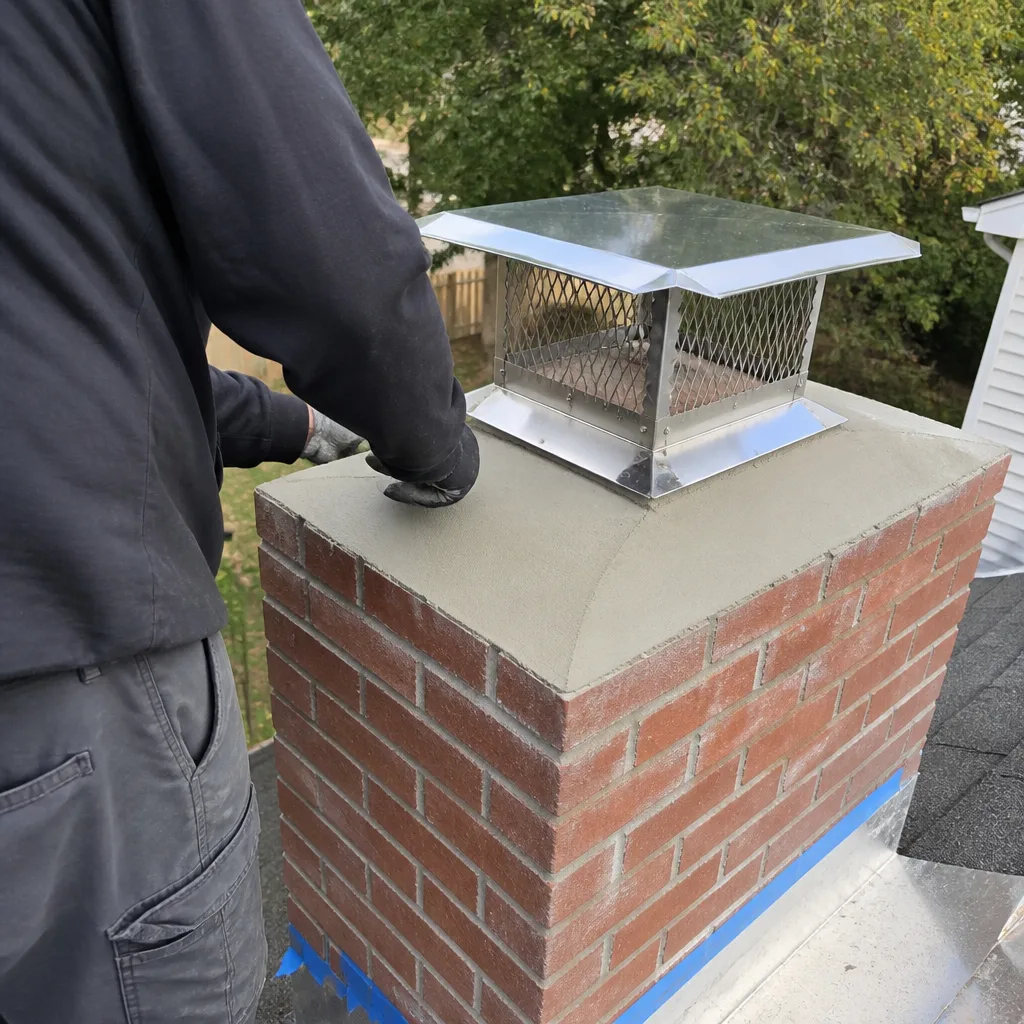
Level 1 sweep and inspection to the NFPA 211 annual standard - flue, crown, cap, and flashing checked and photographed
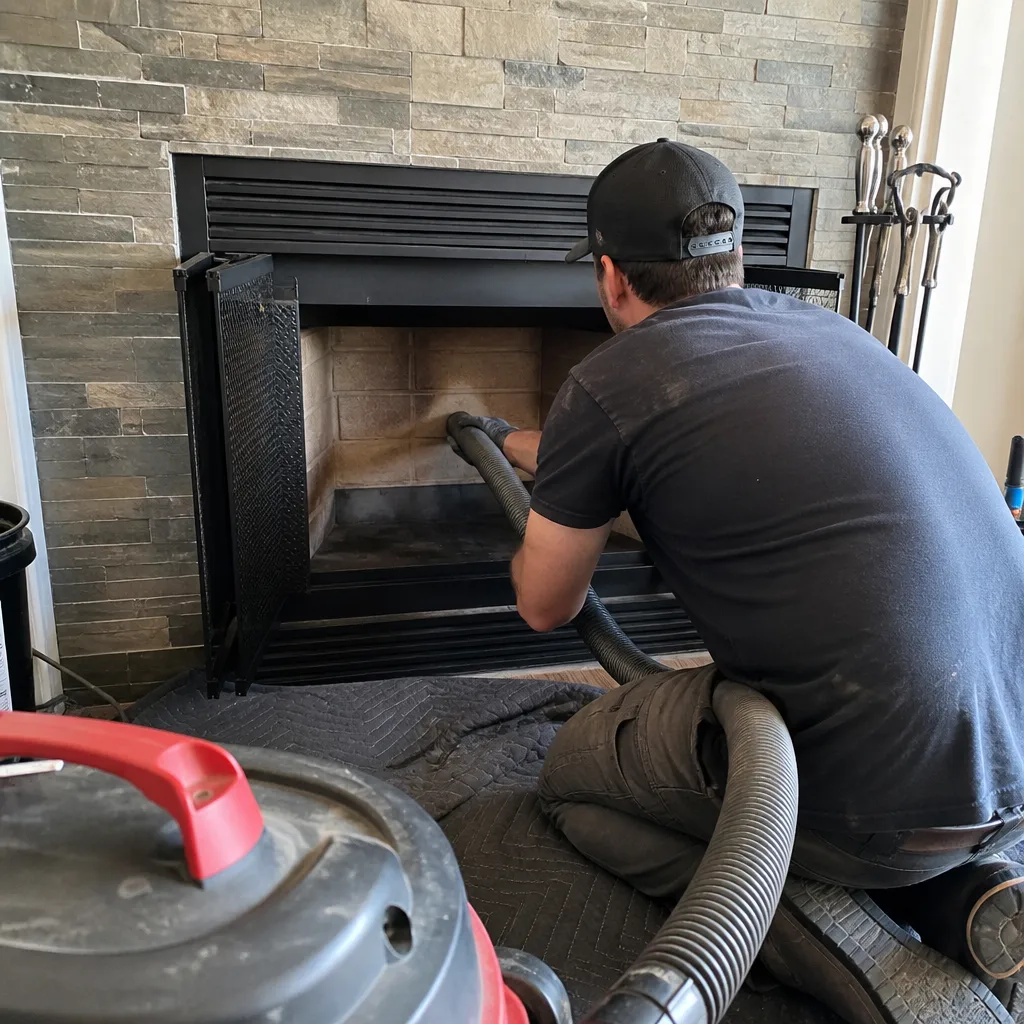
Chimney sweep logs do not sweep chimneys. They loosen some creosote - which then falls where a brush and vacuum still have to collect it.
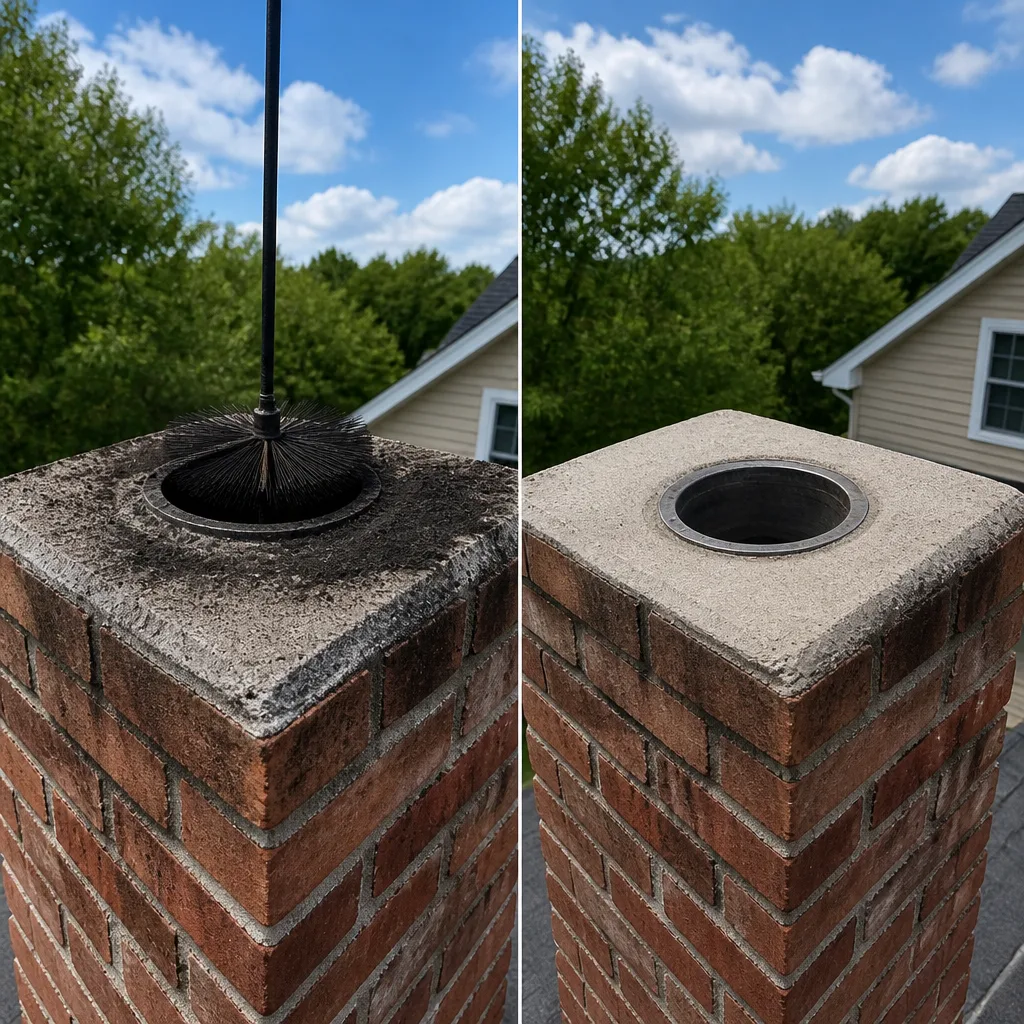
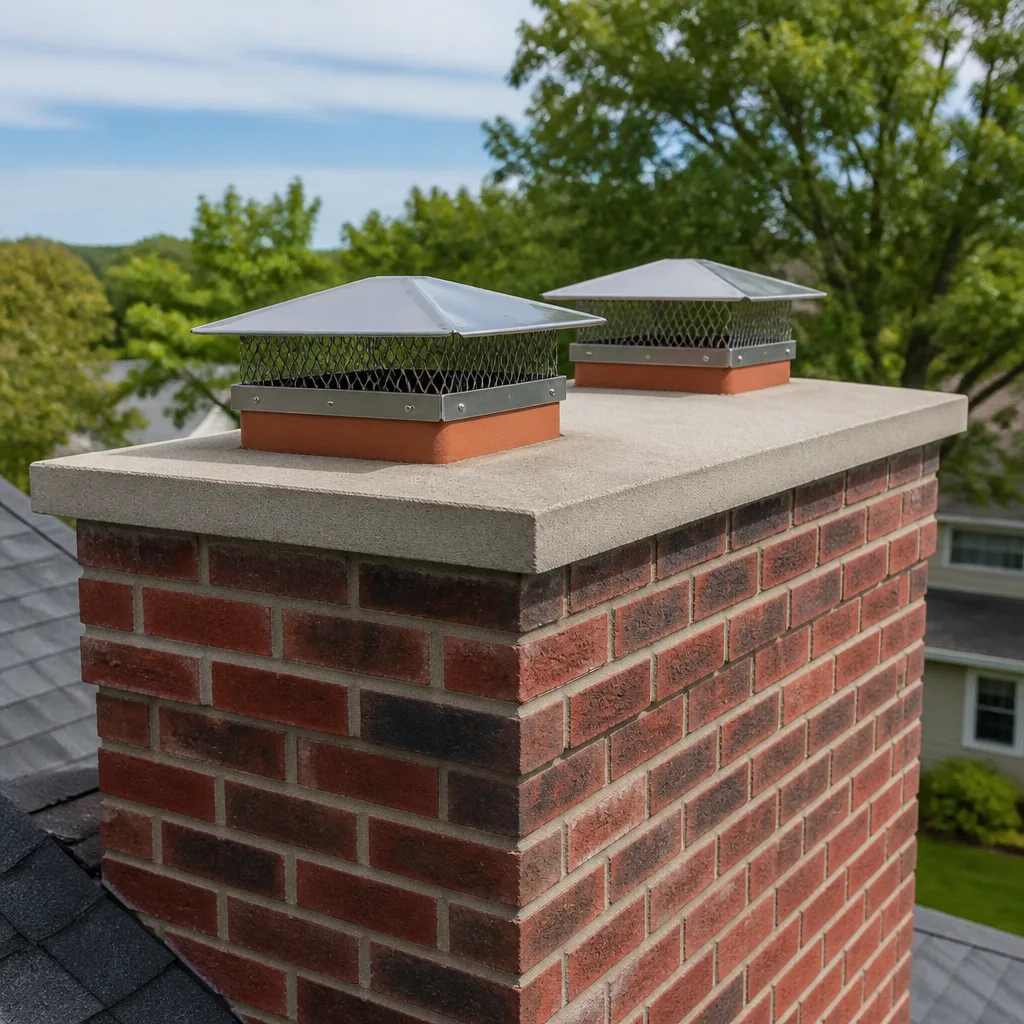
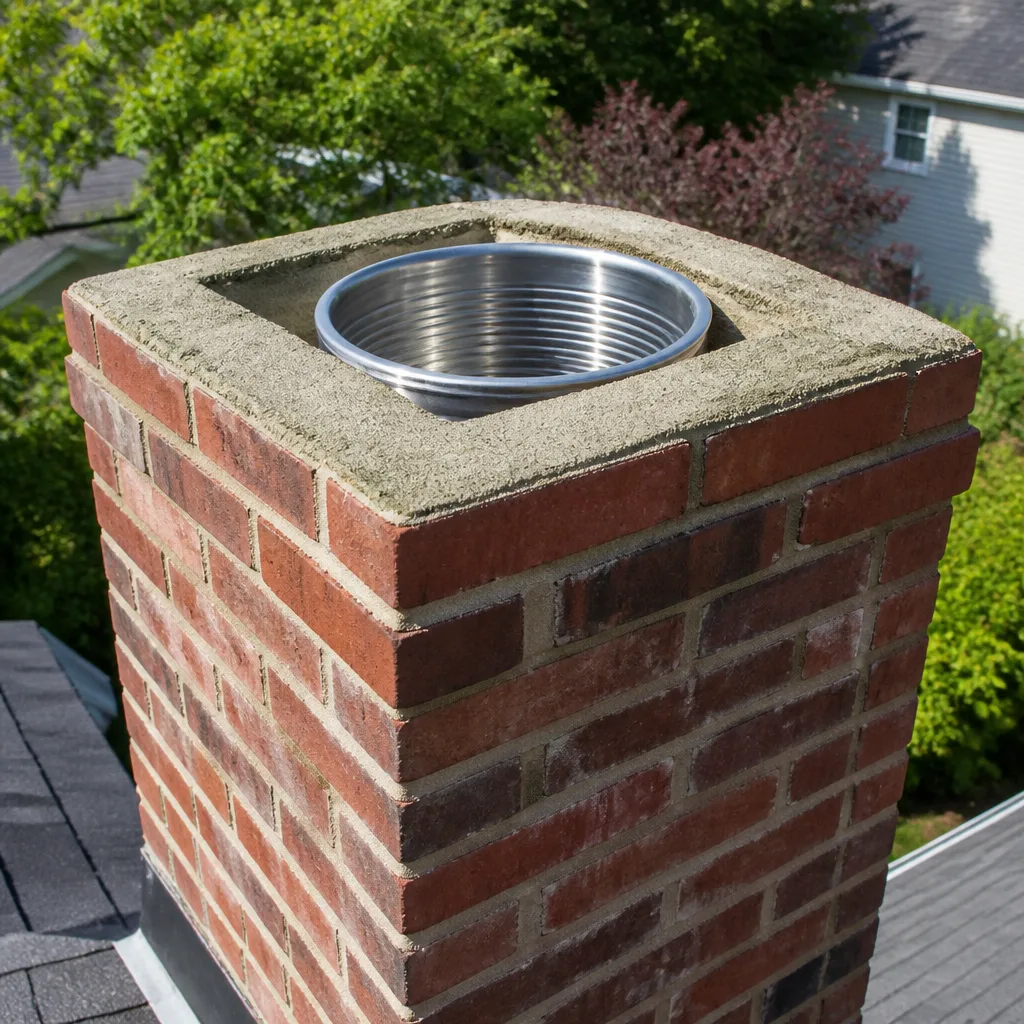
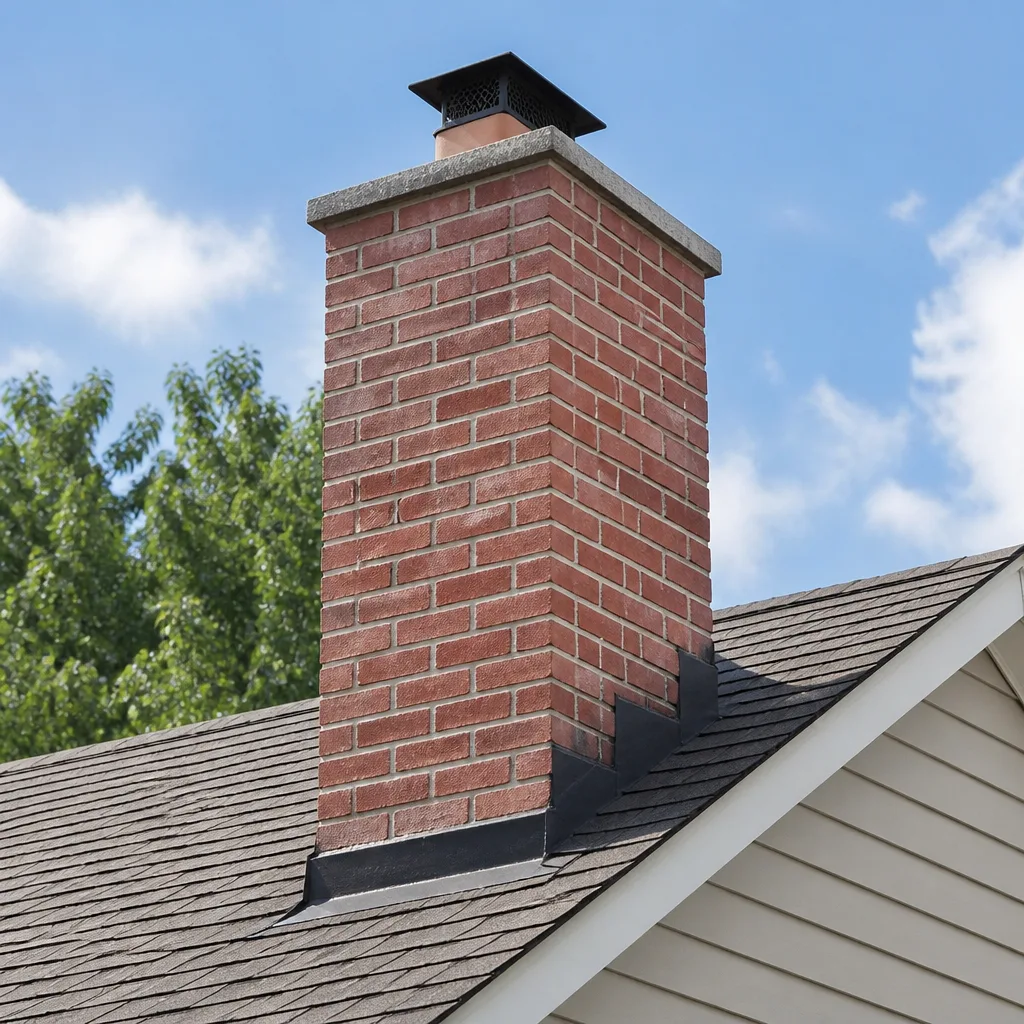
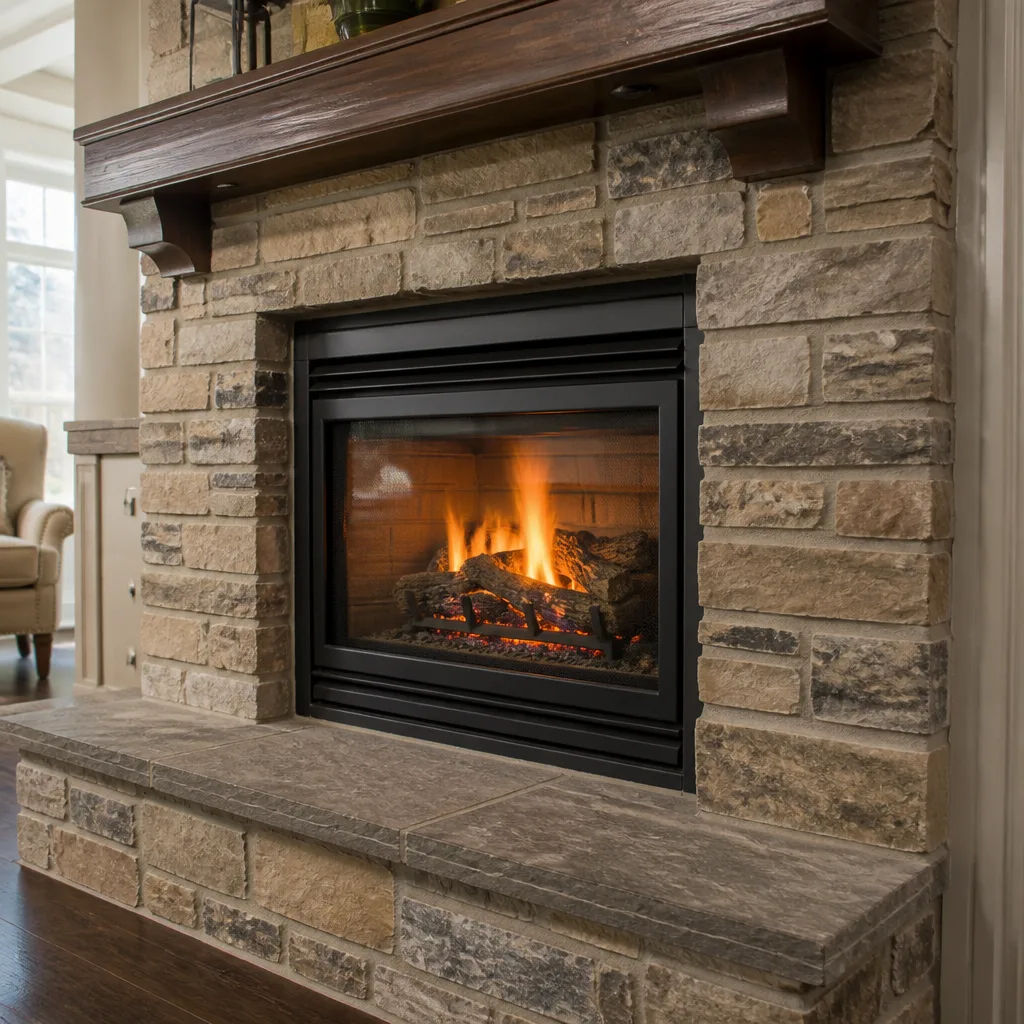
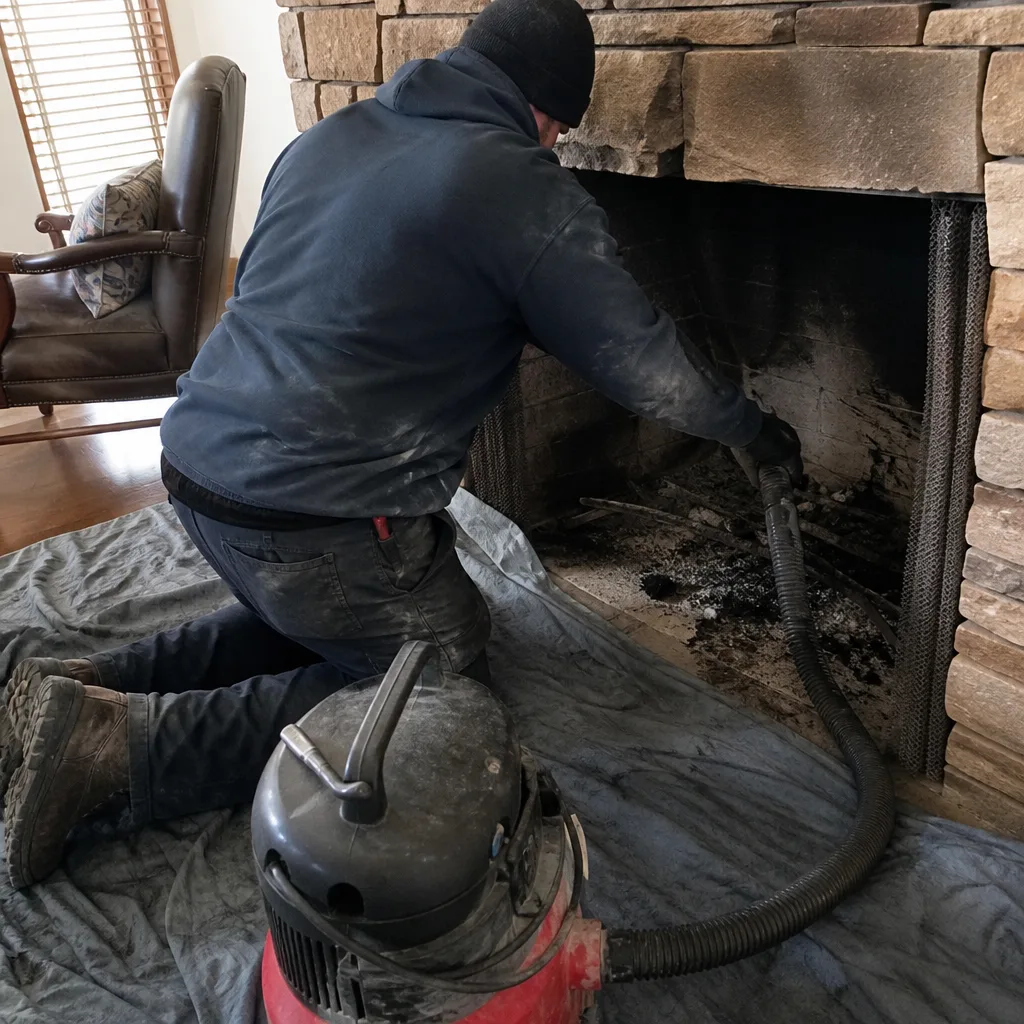 Before
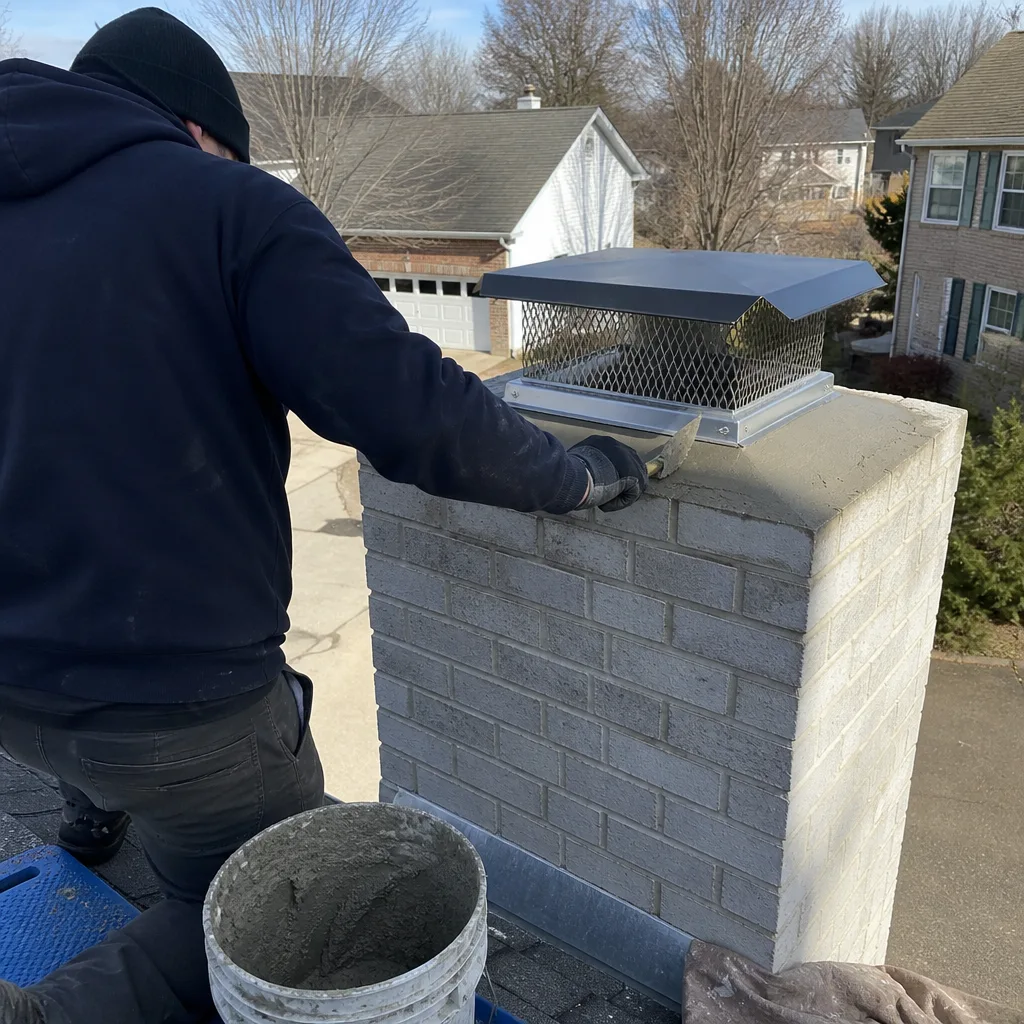 After
After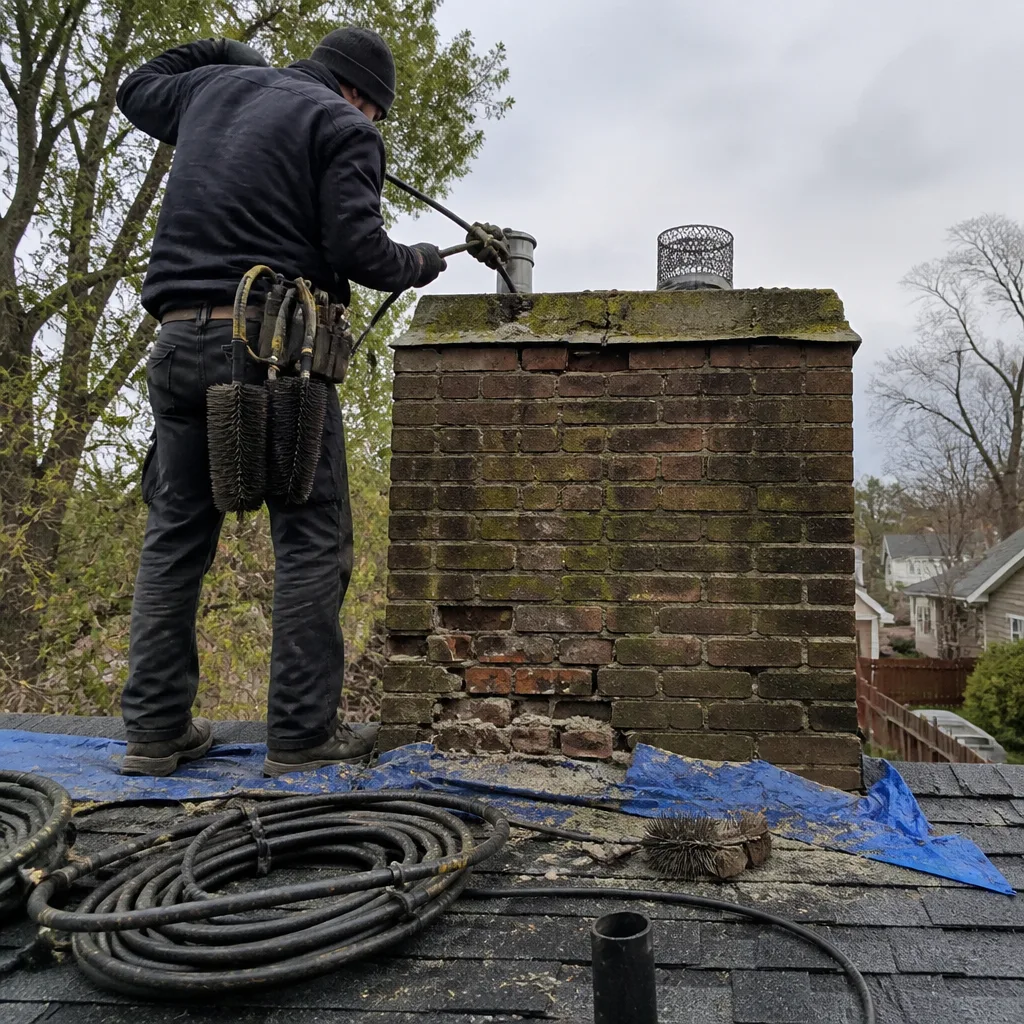 Before
 After
After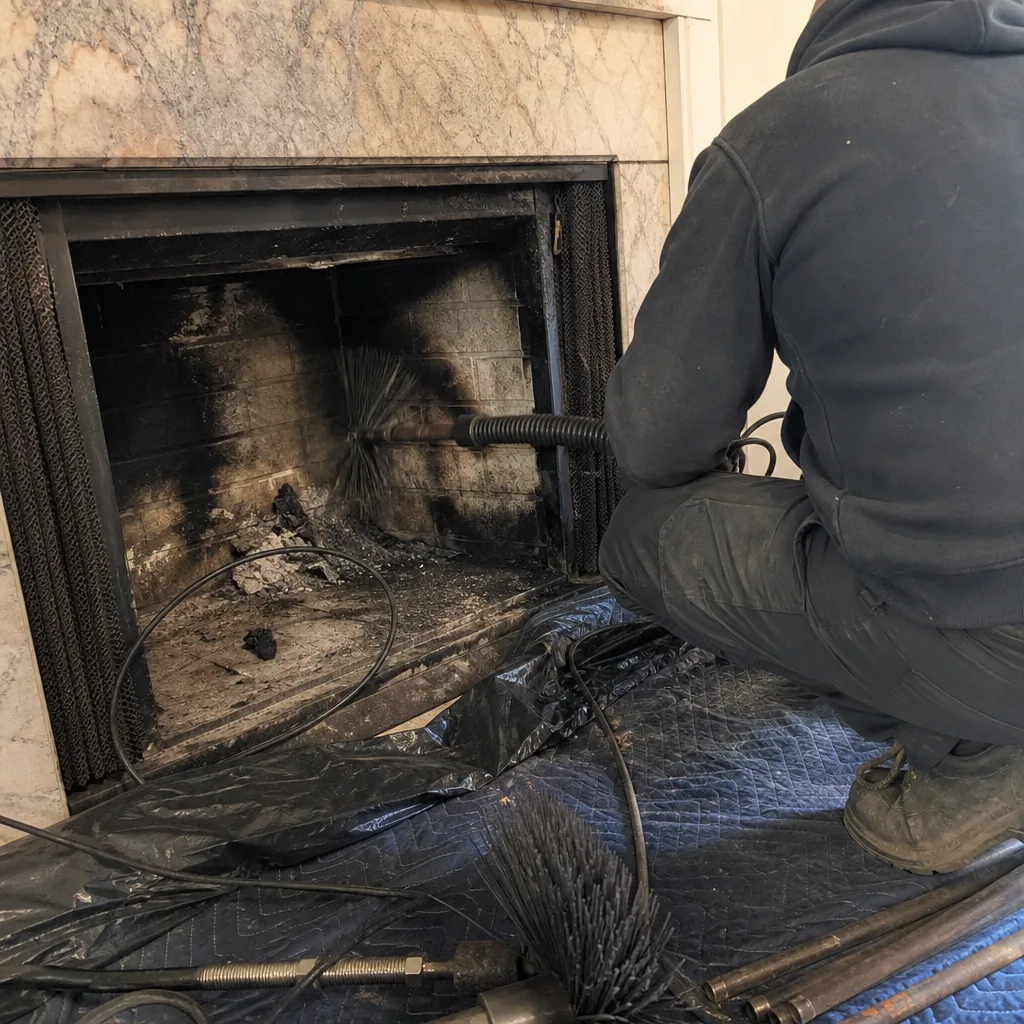 Before
 After
AfterWhy Ashburn Homeowners Choose HeatShield Chimney Cleaning
HeatShield in Ashburn is the service you need when your existing HeatShield liner or coated flue shows signs of wear but may still have years left in it. We’re an independent HeatShield service provider serving all of Ashburn, and we clean, inspect, and repair HeatShield-protected chimneys using genuine Cerfractory materials. What separates us is the camera: every HeatShield service we perform starts with a Level 2 borescope inspection, so you see precisely what condition your liner is in before any work is quoted. The camera doesn’t guess. Neither do we.
Corrine Halstead, owner of Level Two Chimney Ashburn, has been running inspections and cleanings across Ashburn for several years, including plenty of work in the One Loudoun corridor where newer construction still manages to surprise her. Our team has serviced hundreds of HeatShield service in Sterling and Ashburn installations, from original 1990s liners to recent 2023 retrofits. We are not a HeatShield manufacturer-authorized service center, and we’ll never present ourselves that way. We’re an independent chimney company that knows HeatShield products deeply and evaluates each system on the evidence, not on a sales script. Call (240) 220-9412 to book.
Why Trust Level Two Chimney Ashburn for Your HeatShield Chimney Cleaning?
HeatShield liners are only as good as the person evaluating them. The Cerfractory coating used in HeatShield’s Joint Repair and Resurfacing Systems is a proprietary ceramic formula, and proper diagnosis means distinguishing between a cosmetic hairline crack and a genuine draft-leak or creosote-penetration problem. Our techs have seen enough HeatShield applications in Ashburn to know the difference quickly.
Corrine grew up in Queens and learned the trade through the building services program at New York City College of Technology before settling her operation in Northern Virginia. That training shows in how we approach every HeatShield liner in Ashburn: measure first, document second, quote third. We stock genuine HeatShield Cerfractory sealant and joint repair materials locally so we’re not delaying your repair waiting on a parts drop-ship. Our independent status means we can tell you honestly when a HeatShield resurfacing is the right fix and when a stainless steel liner actually makes more sense. We’re not married to one solution; we’re married to giving you an accurate picture of your flue.
Every job includes a documented photo record before and after, a written scope, and a written warranty. Clause 4 of the Haven Standard requires exactly that, and it’s been our practice since 2009. You’ll see the crack, the separation, or the pinhole leak with your own eyes before you approve anything.
Common HeatShield Chimney Cleaning Problems We Fix in Ashburn
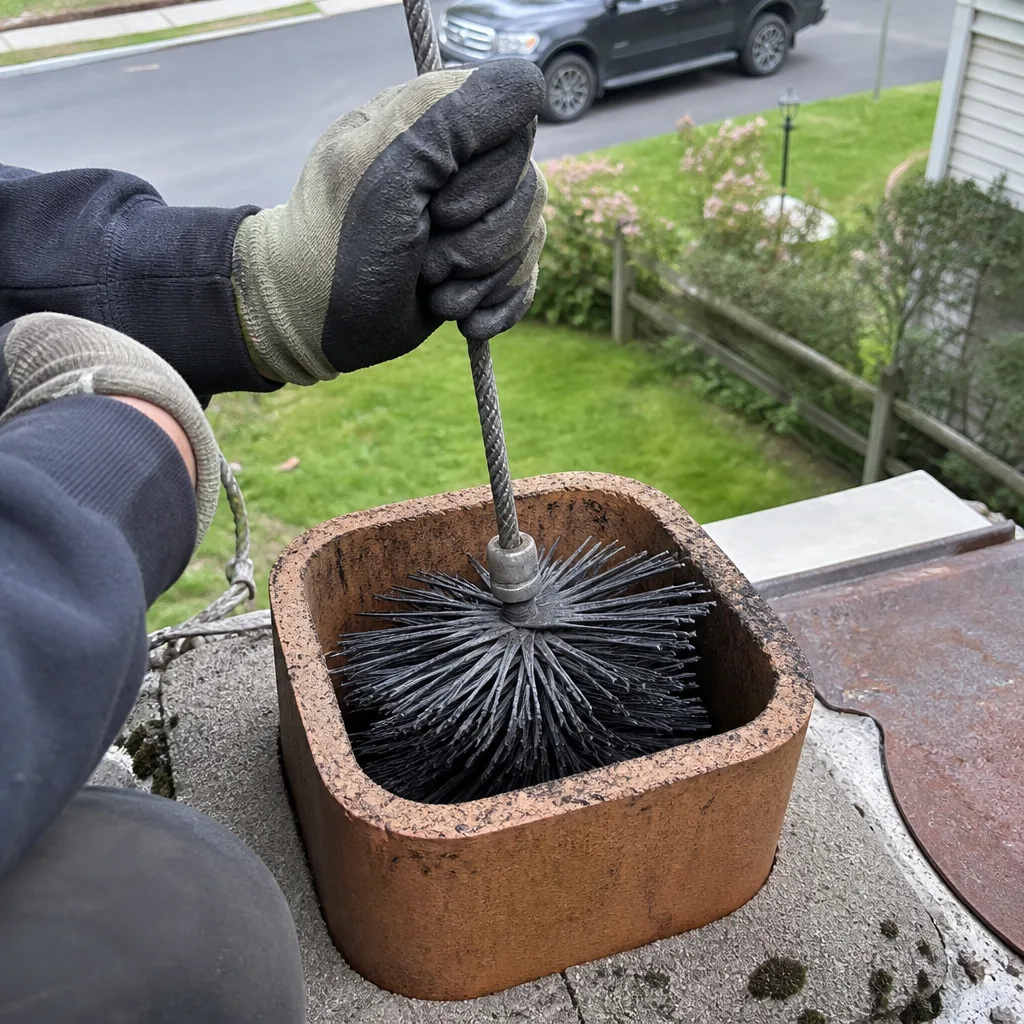
- Cracked or spalled ceramic coating from thermal shock. High-efficiency gas inserts cycle hot and cold rapidly, and over years this stresses the HeatShield Cerfractory layer until it begins to craze or spall. We see this most often in Ashburn homes where gas inserts were retrofitted into older HeatShield-lined masonry chimneys without accounting for the new appliance’s venting profile. The result is fragmented coating that catches creosote and restricts draft. A borescope tells us whether localized joint repair or a full resurfacing is warranted.
- Separated joints in older HeatShield-lined flues from mortar washout and house settling. Ashburn’s clay-rich soils shift, and homes built during the late 1980s and 1990s Ashburn Village and Ashburn Farm boom have now settled enough to open gaps at original flue tile joints. When the old mortar washes out, the HeatShield resurfacing layer spanning that joint loses its substrate and separates. You get smoke smell in the house even with the damper closed. We fixed exactly this on a 2005 colonial in Ashburn Farm where a 1/8-inch gap had opened at the first flue tile joint. Cerfractory sealant filled the void, we resurfaced the lower 12 feet, and a follow-up Level 2 inspection showed zero leakage.
- Pinhole leaks in the Cerfractory resurfacing layer allowing creosote penetration. When the original HeatShield application was too thin or the masonry surface wasn’t properly prepped, pinholes can develop over time. These aren’t visible without a camera, but they allow creosote vapors to work into the masonry, creating a future fire hazard and persistent odor. In Ashburn’s freeze-thaw climate, water that penetrates those pinholes also accelerates spalling of the surrounding brick. We locate these with magnification during our Level 2 inspection.
- Flaking or peeling HeatShield coating from inadequate surface prep during a previous application. This is the most common failure we find in Ashburn that wasn’t the current homeowner’s fault. A previous company applied HeatShield over a flue without properly cleaning the masonry first, and now the Cerfractory layer is delaminating in sheets. The coating is only as good as its bond, and bad prep means early failure. Our resurfacing process starts with mechanical cleaning of the flue surface before any sealant goes on.
- Creosote accumulation on textured Cerfractory surfaces in wood-burning fireplaces used 3-4 times per week. HeatShield’s resurfaced flues have a slightly textured finish compared to raw masonry. In Ashburn, where winters reliably dip below freezing and wood-burning is a genuine heating source for many homes, that texture can hold more creosote than a smooth stainless liner. Regular cleaning is not optional. We see Class III creosote, the shiny, tar-like glaze that’s the most flammable state, more often in Ashburn’s heavily-used wood-burning fireplaces than in occasional-use systems further east.
BeforeAfterHeatShield Parts & Our Repair-vs-Replace Approach
When your HeatShield liner needs attention, the first question is always: can it be saved? We use genuine HeatShield Cerfractory sealant and joint repair materials because the proprietary formula is essential for proper adhesion and expansion tolerance. Aftermarket ceramic sealants don’t match the thermal expansion characteristics of the HeatShield system, and using them is a shortcut that produces early failure, often within two or three seasons. For non-proprietary components like caps and dampers, we recommend high-quality aftermarket parts that meet or exceed OEM specs, which keeps your total cost honest without sacrificing performance.
The repair-vs-replace decision comes down to what the camera shows. If the HeatShield liner is compromised beyond localized repair, meaning wide joint separation, extensive delamination, or pinholes spread across multiple flue sections, we’ll tell you plainly that a stainless steel liner is the better long-term choice. We’re not going to resurface a liner that should be retired, and we’re not going to tear out a liner that a joint repair will fix for years to come. That’s the benefit of our independent status. We recommend replacement only when the evidence says so. Call (240) 220-9412 if you have an existing HeatShield liner and want an honest read from the camera.
Our HeatShield Service Process - Step by Step
- 1
Level 2 camera inspection. We run a borescope down the full length of your flue, documenting the HeatShield surface, every flue tile joint, and any signs of spalling, delamination, or creosote penetration. You’ll see the footage with us and get a written photo record. This is the basis for every recommendation we make.
- 2
Diagnosis and written quote. We tell you what the camera found, in plain terms. That means naming the specific failure, identifying whether it’s localized or systemic, and quoting a written price for the exact repair or cleaning scope before any work starts. No verbal estimates, no “call for a quote.” The price is on the page and on the paper.
- 3
HeatShield repair or cleaning. For joint repairs, we mechanically clean the flue surface at the repair site, mix genuine HeatShield Cerfractory sealant to spec, and apply it to the correct depth. For full resurfacings, we clean the entire flue length before applying the coating. For cleanings, we remove creosote accumulation using methods matched to the level of buildup present.
- 4
Post-service verification. We run the camera again after the work is done. You’ll see the before and after side by side, so you know what was corrected. If we installed a crown coating or repaired a joint, we test it and document the result.
- 5
Written warranty and photo record. You walk away with a written scope, written warranty, and the full photo documentation. That’s Haven Standard Clause 4 in practice. If it’s not done right, the 365-Day Done Right Promise covers the correction.
HeatShield Products We Service & Install in Ashburn
Our Ashburn techs service and install the full HeatShield product line: the HeatShield Hybrid Liner for flues transitioning between masonry and stainless steel sections, the HeatShield Cerfractory Flue Sealant for localized joint repair, the HeatShield Joint Repair System for targeted fixes at failed flue tile joints, and the HeatShield service in Herndon and Ashburn Resurfacing System for full-length flue coating. We stock genuine HeatShield Cerfractory material in our local inventory for routine joint repairs and partial resurfacings, which means no two-week wait for parts on most Ashburn jobs. Full liner retrofits and hybrid transitions are quoted case by case, based on footage and accessibility.
We Also Service These Brands
HeatShield is one strong option for flue protection, but it’s not the only one. We also work with DuraFlex stainless steel liners and Gelco chimney caps and dampers, and we’re happy to help you weigh HeatShield resurfacing against a full stainless liner replacement using those materials when that’s the better call. Our job is to give you the full picture, not to push one brand.
FAQs - HeatShield Chimney Cleaning Service in Ashburn
No, and we would never recommend it. HeatShield Cerfractory is designed to bond to masonry flue surfaces, not to the smooth, expanding surface of stainless steel. The thermal expansion rates are different, and applying Cerfractory over steel would result in rapid delamination and a failed application. If your stainless steel liner has failed, replacement is the correct repair, not coating.
With proper surface preparation and genuine Cerfractory material, a HeatShield resurfacing in a wood-burning fireplace used that frequently typically lasts 10-15 years. The main variable is creosote management. Regular our Chimney Cleaning & Sweep services extends the life of the coating significantly. Ashburn homeowners who burn wood several times per week in winter should plan on a cleaning every season, not every other season. Call (240) 220-9412 to schedule an inspection and we’ll give you a realistic life-expectancy picture for your specific usage pattern.
It depends on the source of the water. HeatShield Cerfractory seals the interior flue surface, so it will stop water that’s entering through gaps in the flue liner itself. But water staining on the chimney breast after rain is more commonly caused by a failed crown, deteriorated mortar joints, or a rusted chase cover. We’ll determine the actual entry point during inspection. If it’s a liner gap, HeatShield is the fix. If it’s a crown problem, a Crown Coating service resolves it. If it’s surface masonry, that’s repointing work. The camera tells us before we quote.
Yes, provided the HeatShield liner is intact and the insert was properly sized for the flue. Older HeatShield liners in Ashburn can date back to the 1990s, and many are still in serviceable condition. The critical question is whether the Cerfractory coating has maintained its seal at the flue tile joints. That’s exactly what our Level 2 camera inspection assesses. We’ll also check for the spalling that high-efficiency gas inserts can cause through repeated thermal cycling. If the liner is sound, the setup is safe. If not, we’ll show you the footage.
The Joint Repair System seals specific failed flue tile joints using Cerfractory sealant and, when needed, a reinforcing fabric. It’s a surgical fix for localized joint separation. The full Resurfacing System coats the entire flue length with Cerfractory to restore the liner surface and seal all joints at once. We recommend joint repair when one or two joints have failed and the rest of the flue is sound. We recommend full resurfacing when there’s widespread surface deterioration, multiple joint failures, or a previous poor application that’s delaminating. Our camera inspection tells us which one the evidence supports.
HeatShield chimney cleaning service in Ashburn, meaning a cleaning of a HeatShield-lined flue, typically ranges from $229 to $349 depending on the level of creosote buildup and flue length. A partial joint repair using genuine Cerfractory sealant usually runs $450 to $900 per joint, while a full resurfacing of a standard one-story flue is typically $2,800 to $4,500. These are real numbers from our Ashburn jobs, not placeholder ranges. Your exact price comes from the camera inspection and is provided in writing before any work starts. Call (240) 220-9412 and we’ll schedule your inspection, no obligation.
Book Your HeatShield Service in Ashburn, VA
Your HeatShield liner gets one chance to be evaluated correctly. We’ll bring the camera, show you what’s really happening in your flue, and give you a written price before anything starts. Call Level Two Chimney Ashburn at (240) 220-9412 to schedule your HeatShield inspection and cleaning in Ashburn.
Written by Corrine Halstead, Owner at Level Two Chimney Ashburn, serving Ashburn, Virginia since 2016.