
Last updated September 20, 2026
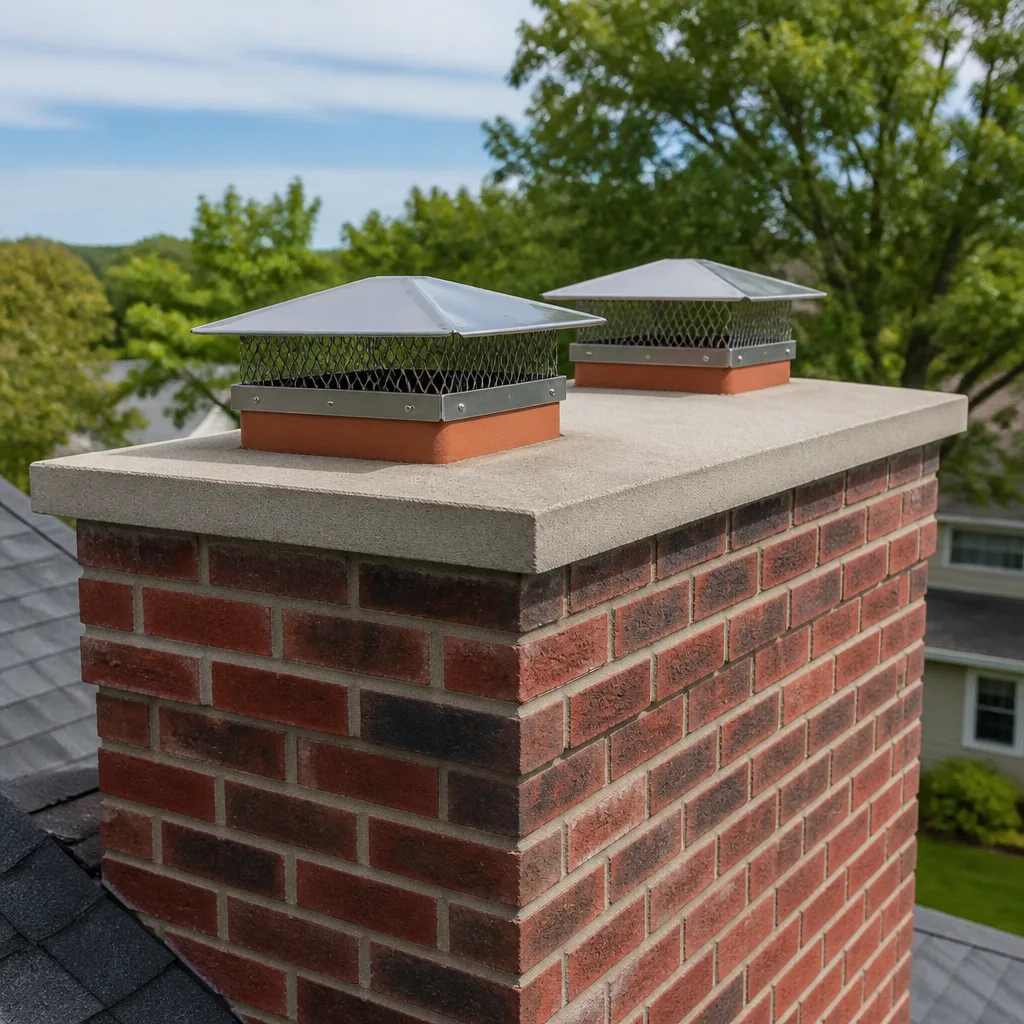
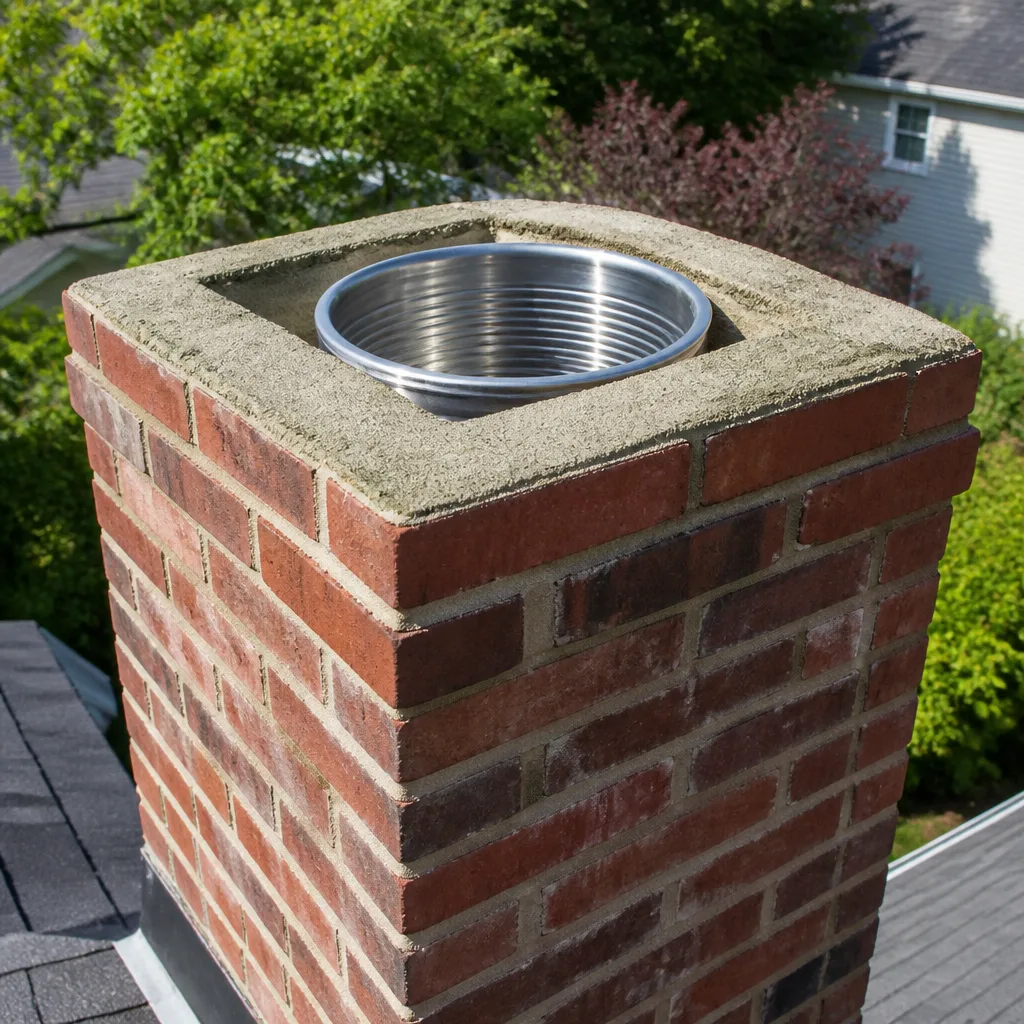
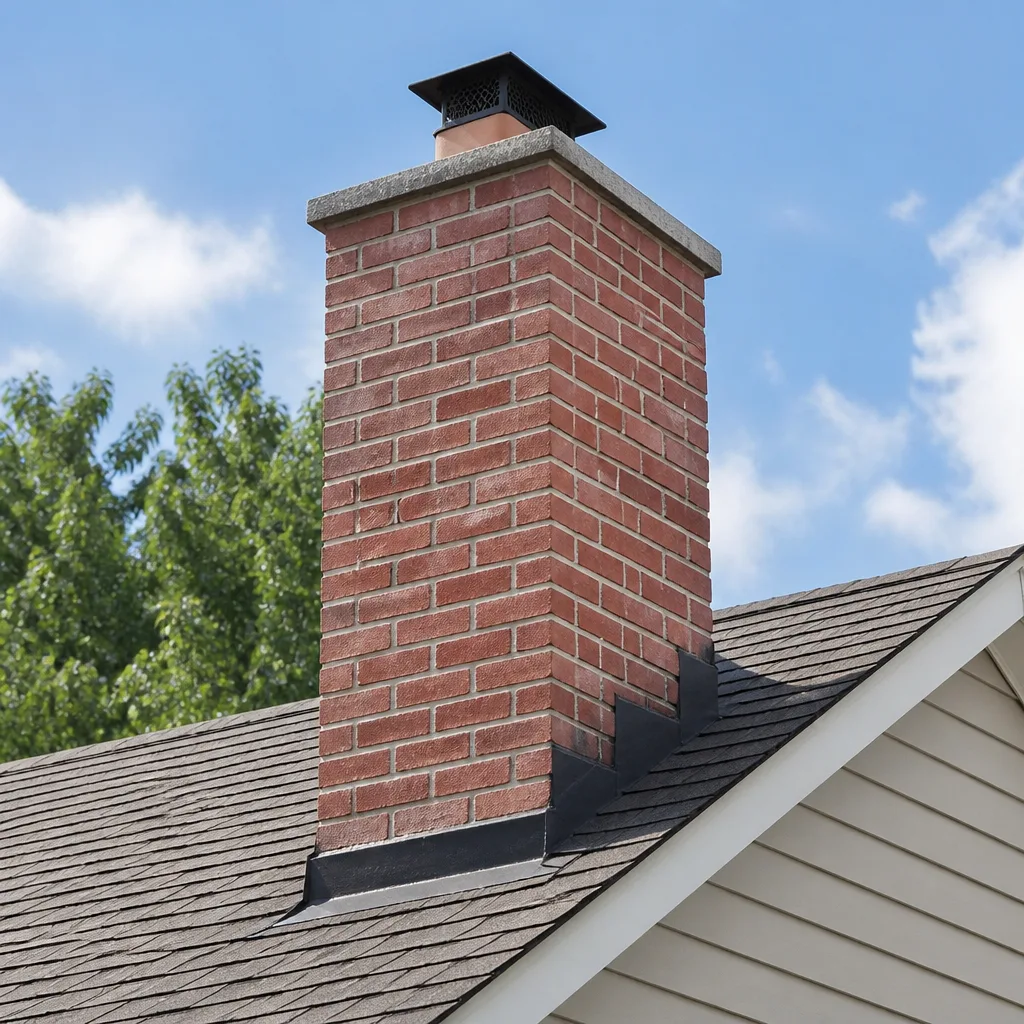
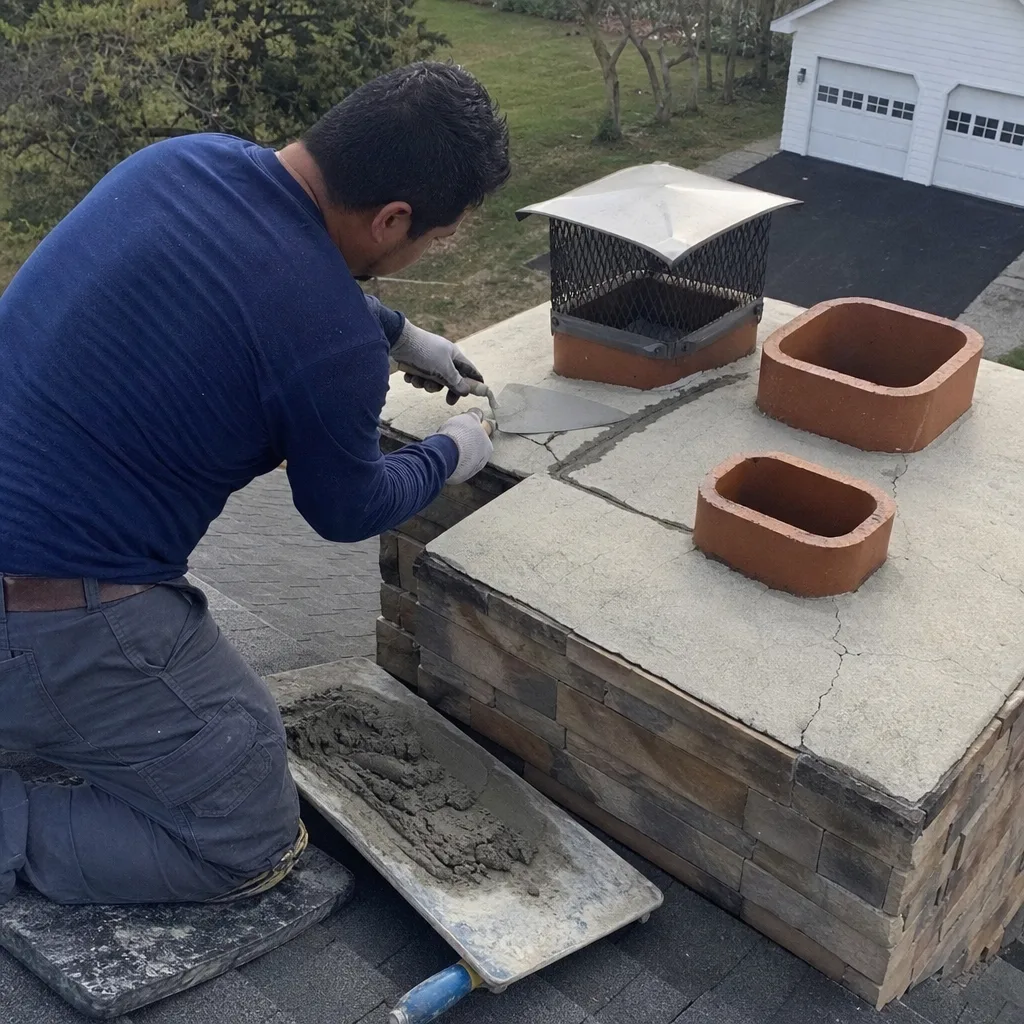
Level 1 sweep and inspection to the NFPA 211 annual standard - flue, crown, cap, and flashing checked and photographed
Chimney sweep logs do not sweep chimneys. They loosen some creosote - which then falls where a brush and vacuum still have to collect it.
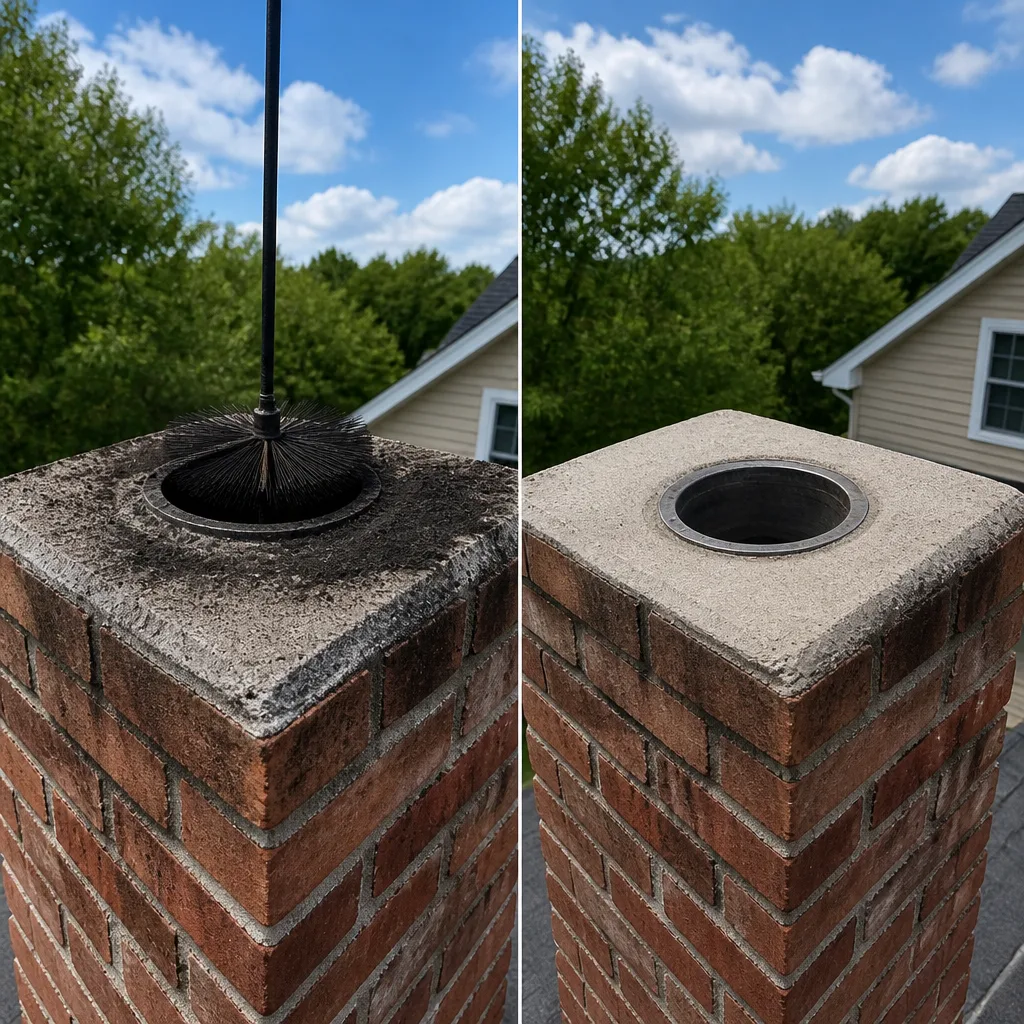
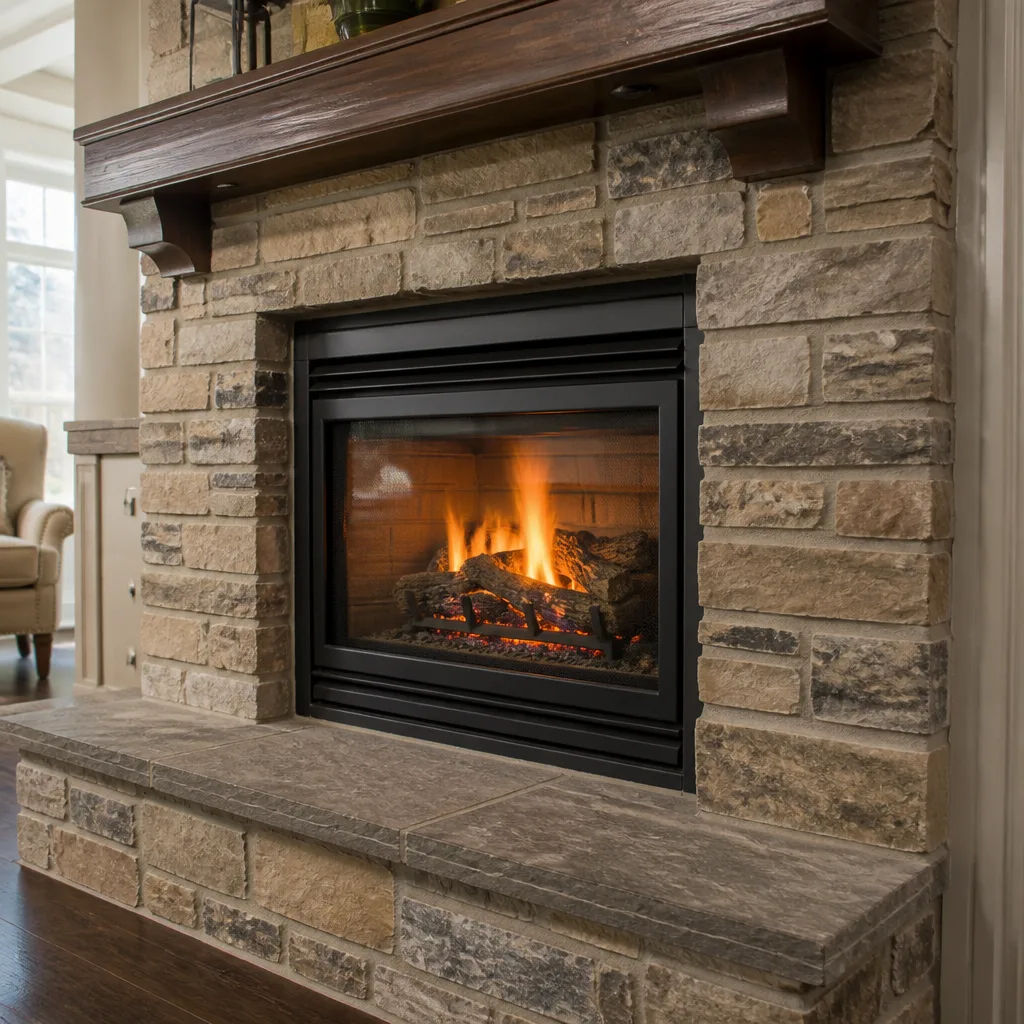
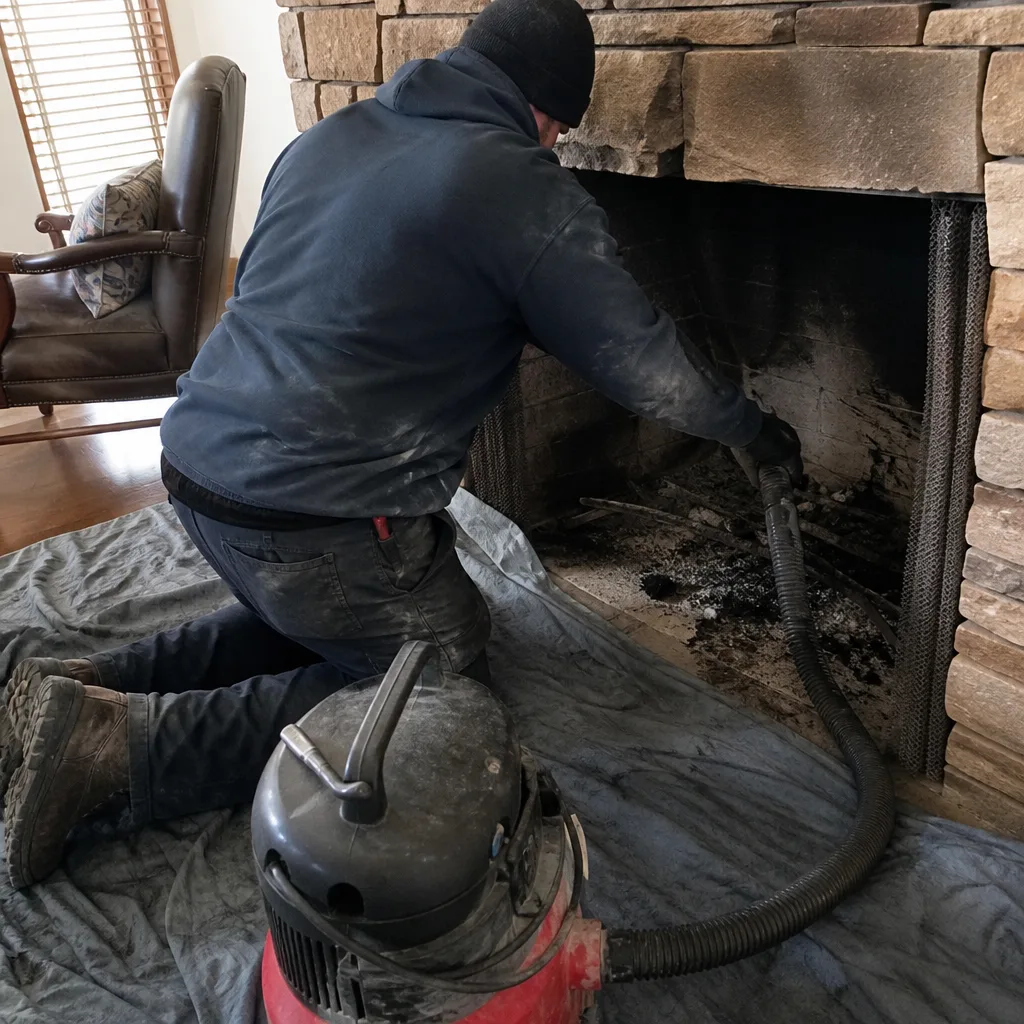 Before
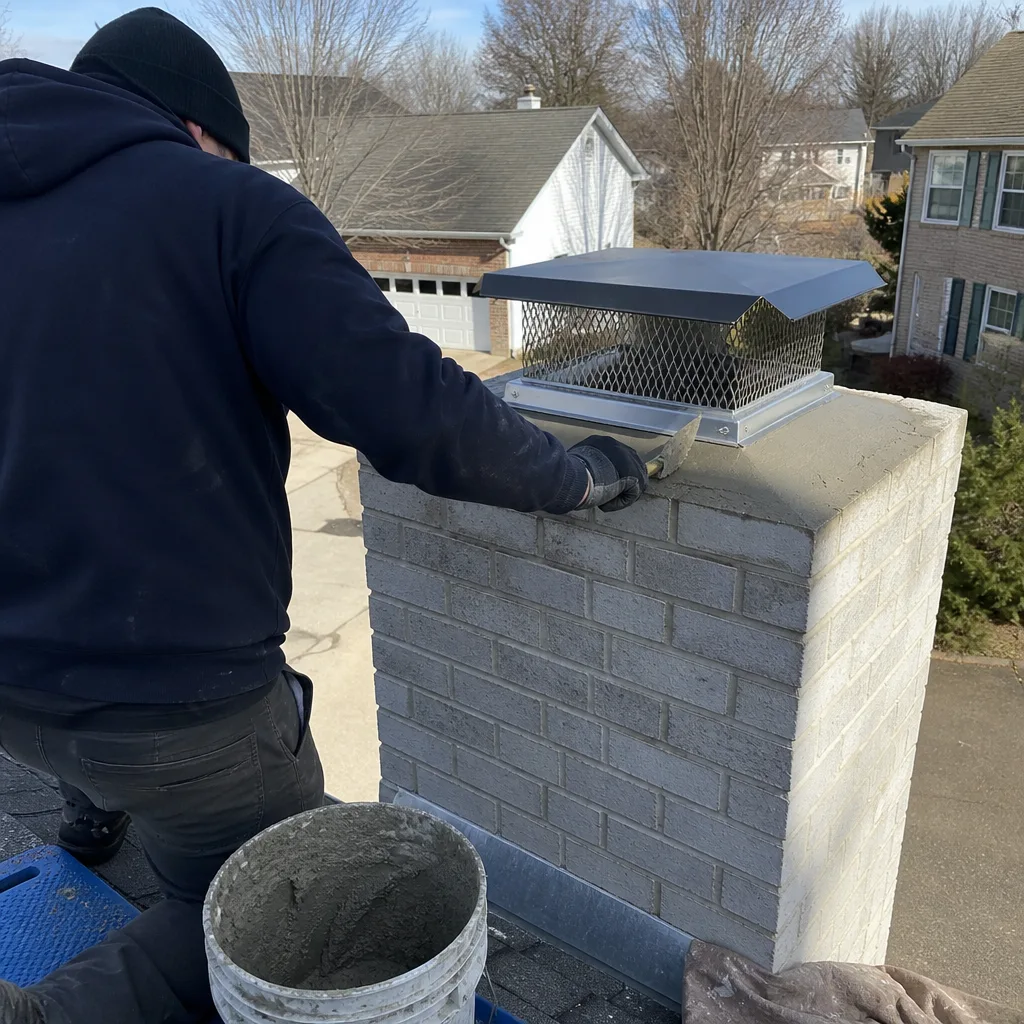 After
After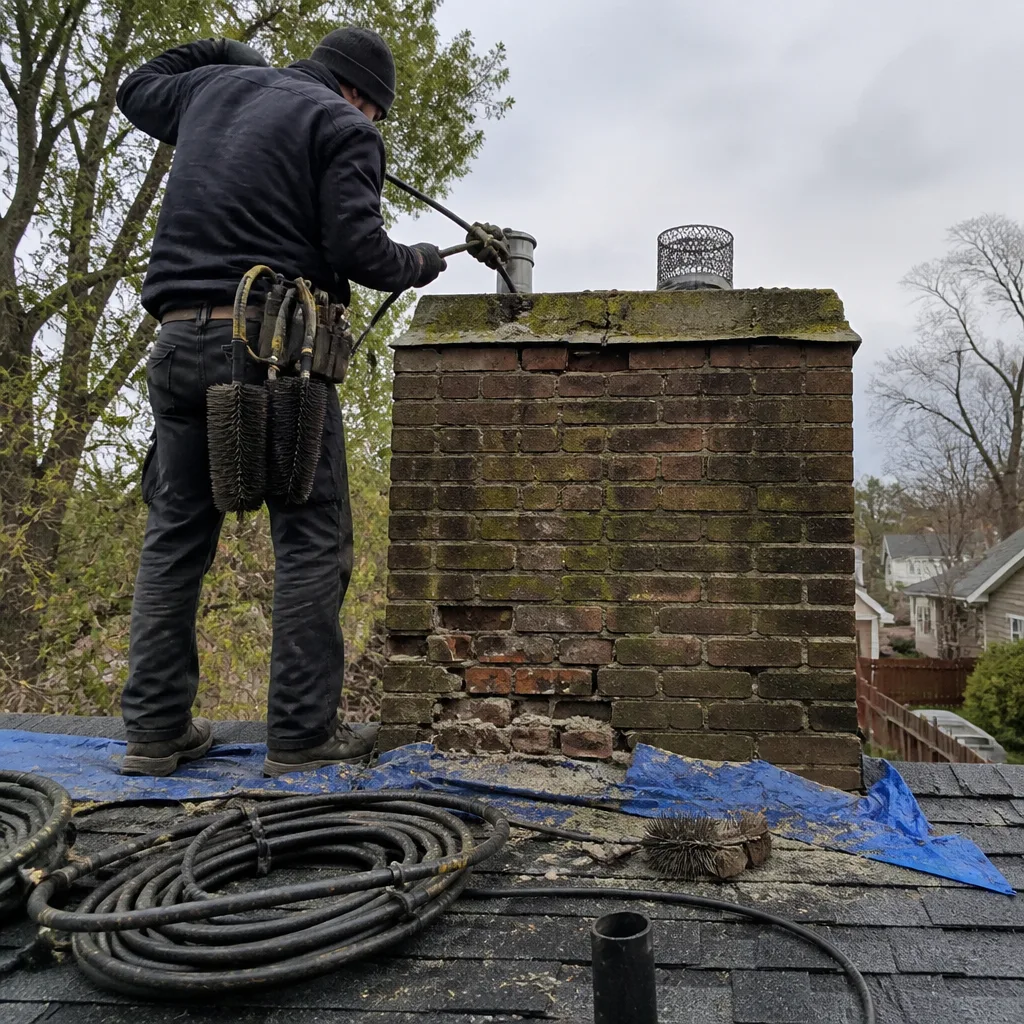 Before
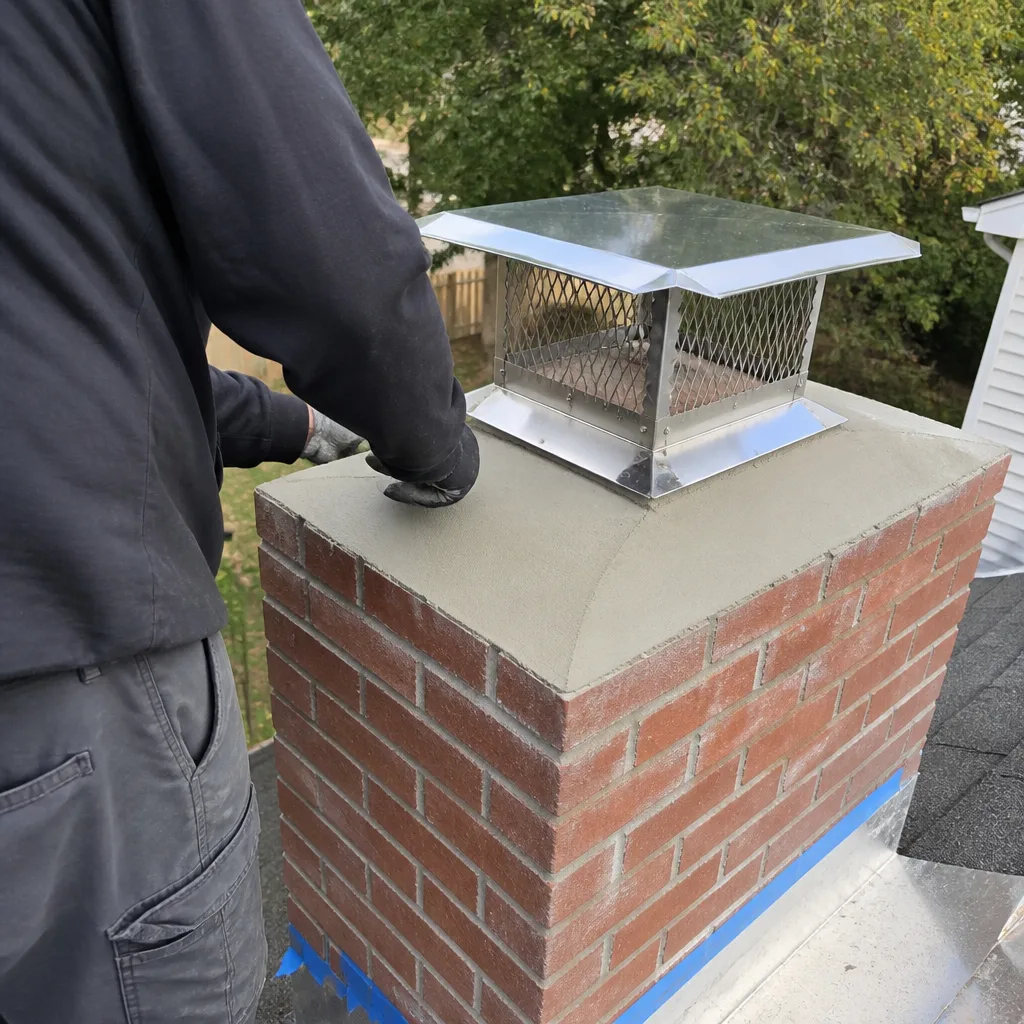 After
After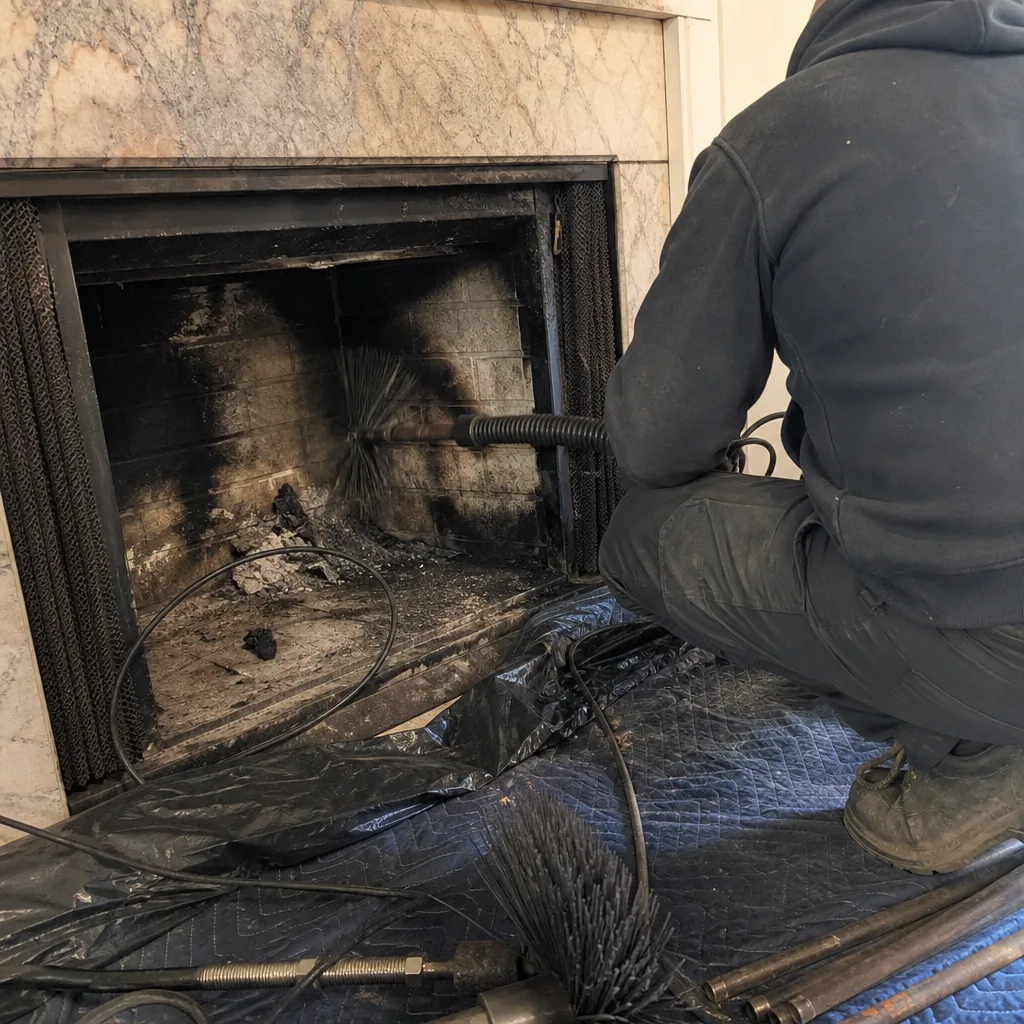 Before
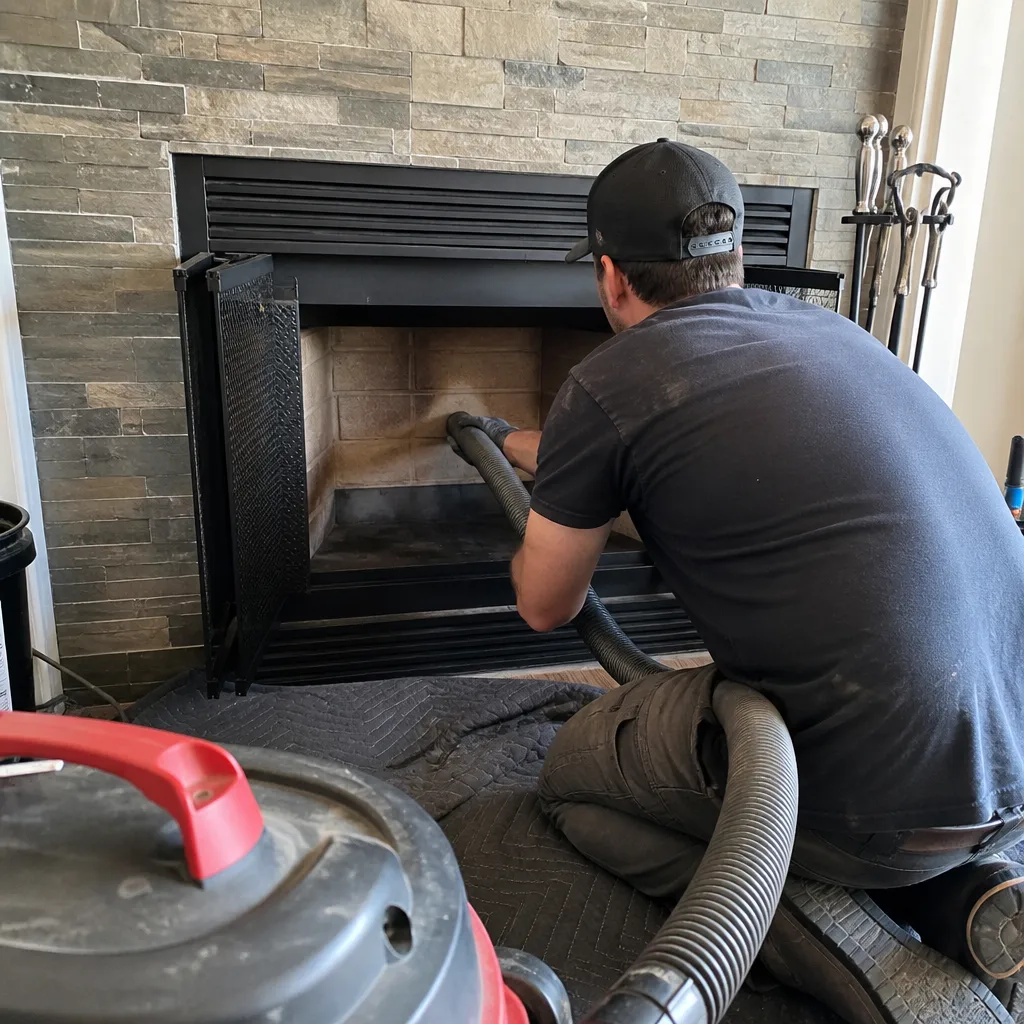 After
AfterThe Complete Guide to Chimney Cleaning in Ashburn
A $79 chimney sweep in Loudoun County generates an average of $340 in follow-up upsells, according to complaint patterns filed with the Virginia Department of Agriculture and Consumer Services. The same job, done with a camera inspection upfront, typically requires no return visit at all. That gap between what homeowners think they’re buying and what actually happens inside the flue is the reason we wrote this guide and our DIY vs Professional Chimney Cleaning: The Ashburn Homeowner’s Decision Guide. You’ll learn exactly what chimney cleaning in Ashburn should include, what it costs, what gets skipped when the price seems too good, and how to verify the work was actually done.
Quick Answer
Chimney cleaning in Ashburn, VA typically costs between $189 and $389 for a standard sweep and inspection, depending on flue type, creosote stage, and whether documentation is included. A proper cleaning is actually four separate services bundled together: the sweep itself, a visual inspection, a camera inspection (NFPA 211 Level 2), and a written condition report with photo documentation. Companies that charge $79 are almost always selling the sweep alone and pricing the inspection, documentation, and repair assessment as add-ons you’ll hear about after the technician is already in your living room.
Table of Contents
- The Four Services Hiding Inside One “Chimney Cleaning”
- Why Ashburn’s Housing Stock Changes the Cleaning Protocol
- Creosote Stages 1, 2, and 3: What They Look Like on Camera
- What Your Post-Cleaning Documentation Packet Should Contain
- Carbon Monoxide in Loudoun County: Why Documentation Is the Safety Deliverable
- Factory-Built vs. Masonry Flues: Two Different Jobs
- Ashburn Chimney Cleaning Cost Breakdown: 2025 Market Prices
- Common Mistakes to Avoid
- When to Call a Professional
- Frequently Asked Questions
- The Bottom Line
BeforeAfterThe Four Services Hiding Inside One “Chimney Cleaning”
When an Ashburn homeowner books a chimney cleaning, they assume they’re buying one thing: someone removes the soot. A legitimate chimney cleaning in Ashburn is actually four distinct services that should be itemized, priced, and delivered as separate deliverables. Understanding the difference is what separates a $79 drive-by from a job you can verify.
1. The Sweep (Mechanical Creosote and Soot Removal)
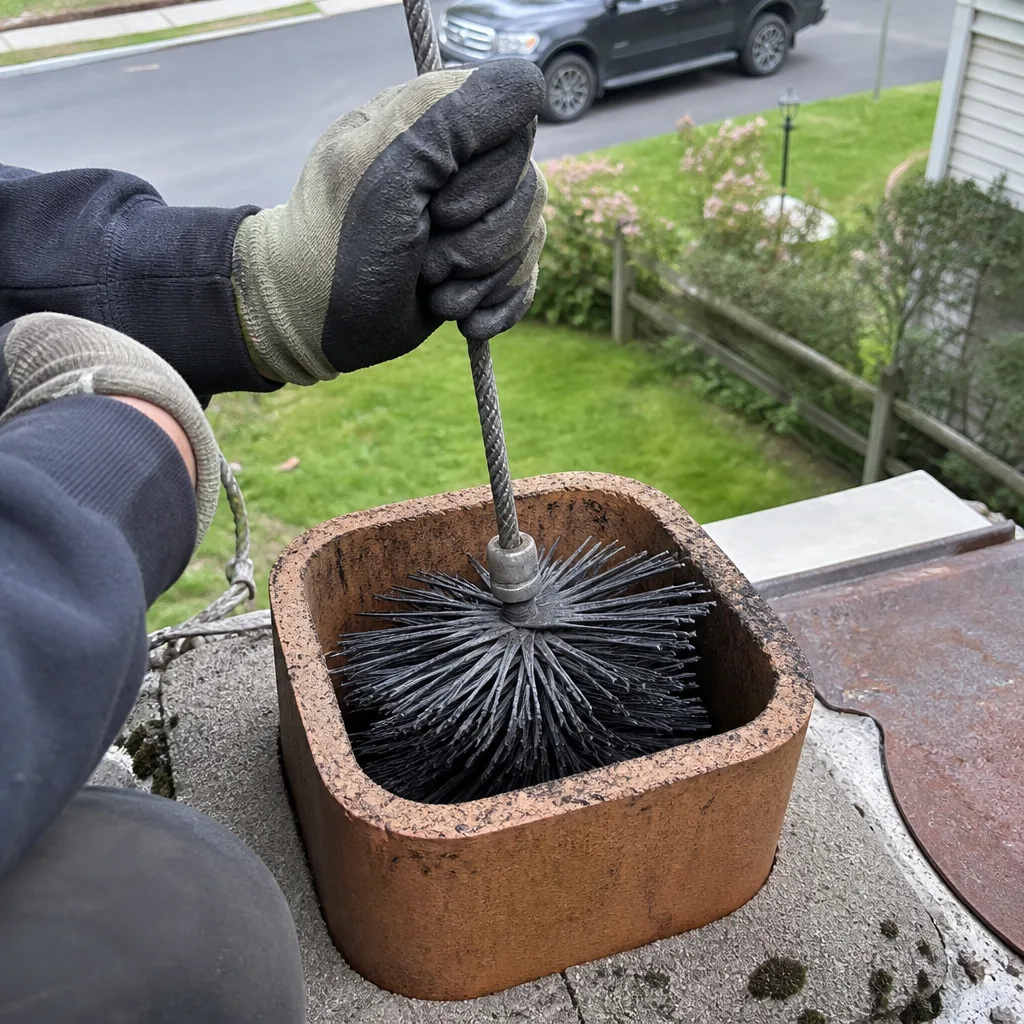
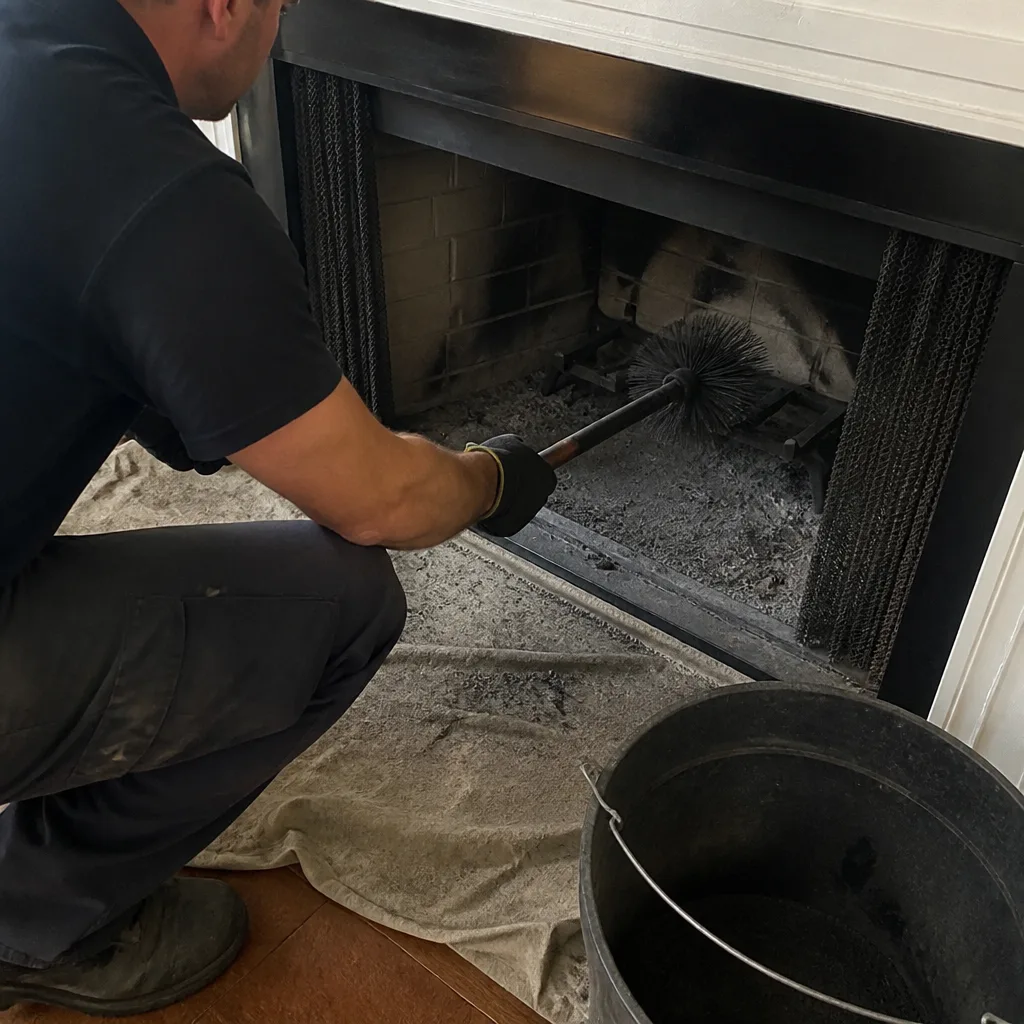
This is the physical work: wire or poly brushes sized to your flue, run from top to bottom or bottom to top with a rotary drill, breaking up creosote and soot deposits from the flue walls. A proper sweep includes the smoke chamber, smoke shelf, damper assembly, and firebox. We’ve cleaned flues in Ashburn’s Broadlands and Ashburn Village neighborhoods where the last sweep clearly never touched the smoke chamber. Soot falls into the firebox and gets vacuumed; what stays behind on the shelf above the damper is invisible from the living room and is where chimney fires typically start.
2. Level 1 Visual Inspection
Under NFPA 211, a Level 1 inspection is a visual check of accessible portions of the chimney interior and exterior when conditions of use haven’t changed. It does not require a camera. It does not require climbing onto the roof if the flue is obstructed. In practice, a Level 1 inspection is what a technician can see with a flashlight from the firebox and from the roofline. It catches obvious problems: missing mortar, animal nesting at the top, a cracked flue tile visible from the top opening. It misses everything hiding at the mid-flue or behind the damper housing.
3. Level 2 Camera Inspection
A Level 2 camera inspection runs a small video camera down the entire length of the flue and records what it sees. This is the standard for real estate transactions, after a chimney fire, or when a fuel source changes. We made camera-scan documentation the default on every job in 2009, years before most insurers and code officials in Virginia started asking for it. What the camera shows: hairline cracks in a terra cotta liner, gaps at mortar joints, separations in a steel liner, moisture intrusion staining, and creosote stage classification. On our own Level Two Chimney Ashburn home page, you’ll find the full writeup on why this is our default and not an upgrade.
4. Written Condition Report
The deliverable that most companies skip entirely. After camera inspection, we produce a written report that names what was found in plain terms: liner condition, crown integrity, creosote class, damper function, smoke chamber condition. It includes before and after camera stills, a written cleaning scope, and a signed price sheet for any recommended work. Clause 4 of the Haven Standard requires this photo record on every job. Without a written report, you have no evidence the flue was even inspected, let alone cleaned.
Why Ashburn’s Housing Stock Changes the Cleaning Protocol
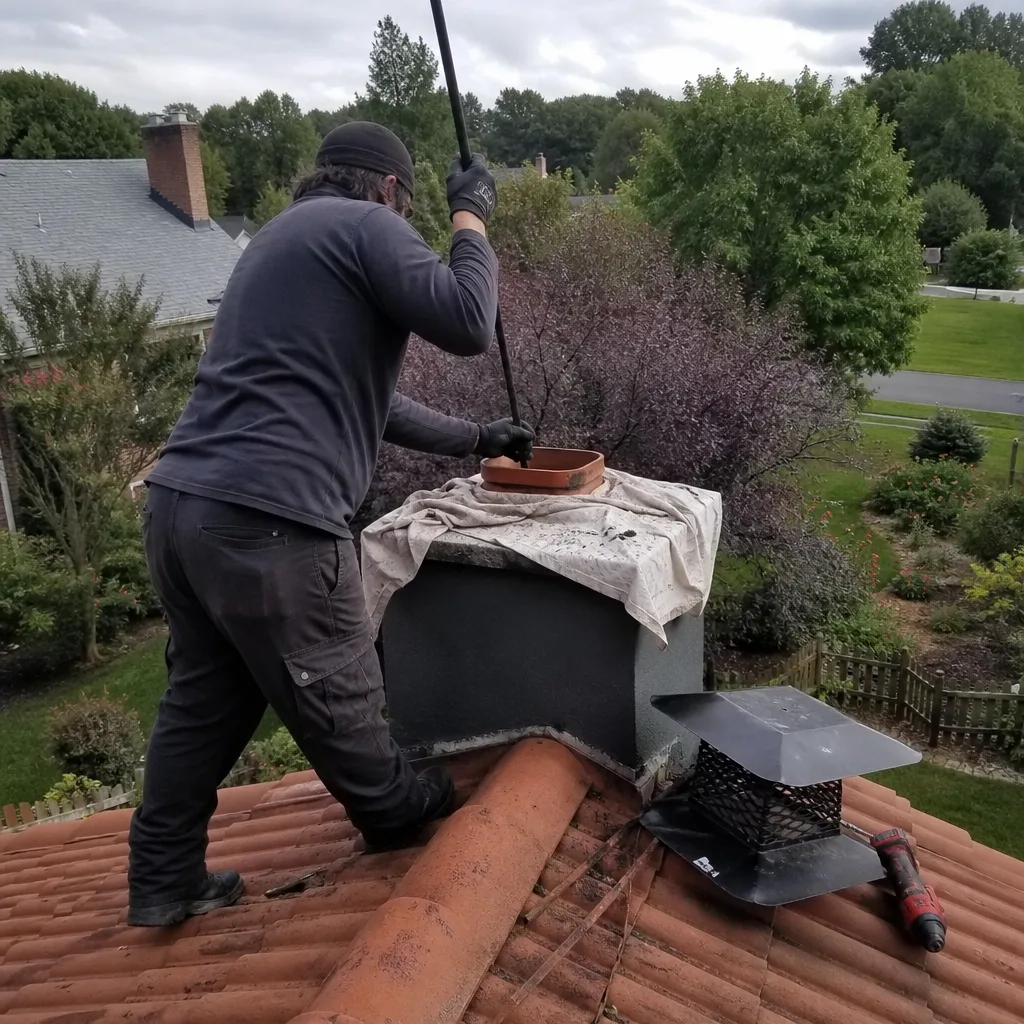
Ashburn grew in waves: colonials and split-levels from the 1980s and 1990s around Ashburn Village and Ashburn Farm, then a boom of zero-clearance factory-built fireplaces in 2000s-era construction throughout Brambleton, Broadlands, and One Loudoun. That mix matters because the cleaning protocol is not the same for both.
A masonry chimney with a terra cotta liner can withstand rotary brush pressure and chemical creosote removers. A factory-built zero-clearance fireplace has a double or triple-wall steel flue that is thinner, often listed only for specific fuel types, and easily damaged by wire brushes sized for masonry. The wrong brush, the wrong solvent, or too much pressure creates hairline scratches in the steel that become rust points. Rust expands, the flue wall delaminates, and a $189 cleaning becomes a $4,000 liner replacement.
We see this regularly in Ashburn. Homes built between 2003 and 2010 in Brambleton and Lansdowne often have factory-built fireplaces that were installed without a permit pull record being easily accessible to the current homeowner. The flue manufacturer’s listed clearances and fuel requirements were never filed at the county level, which means the homeowner doesn’t know if the unit is rated for a wood fire or only for gas logs. A proper chimney cleaning and sweep in Ashburn starts with identifying the flue type before any brush touches the wall.
Ashburn’s weather adds another variable. Northern Virginia gets roughly 200 freeze-thaw days annually, and the temperature swings between December and February are enough to move moisture inside even small crown hairline cracks. A flue that was clean in October can show moisture intrusion by March. That’s not a cleaning failure; it’s a crown and cap issue that a camera inspection at the time of cleaning would have flagged before the expansion damage occurred.
Creosote Stages 1, 2, and 3: What They Look Like on Camera
Creosote is not one substance; it’s a family of condensation products that form at different temperatures and burn at different intensities. Stage matters more than how long since the last cleaning. A chimney swept twelve months ago can carry more fire risk than one swept three years ago if the first chimney is burning unseasoned wood at low temperatures and building a stage 2 glaze while the second burns hot, dry oak and develops only stage 1 soot.
Stage 1: Dust and Soot
On camera, stage 1 creosote looks like a thin layer of brown or black dust, similar to the ash left in the firebox. It brushes off easily with a standard sweep. This is the expected condition for a home that burns properly seasoned hardwood with a good draft. Stage 1 creosote is not a fire hazard on its own, but it becomes one if it’s allowed to build without cleaning.
Stage 2: Granular and Flaky
Stage 2 creosote appears as shiny, crystalline flakes, often compared to black cornflakes. It forms when flue temperatures run cooler, so it’s common in Ashburn homes with oversized flues connected to small EPA-rated stoves, or in traditionally built fireplaces that are used for brief evening fires rather than long hot burns. It does not brush off easily. It requires more mechanical work and may require a rotary head and a second pass. Stage 2 material is fuel; if it ignites, it burns hot enough to crack a terra cotta liner.
Stage 3: Glaze and Tar
Stage 3 is the one we call out by name in written reports. It looks like black glass or road tar, a hard glossy accumulation that forms from extended low-temperature fires or unseasoned wood. It cannot be brushed away with a standard sweep. Removing stage 3 typically requires chemical treatment or mechanical scraping with specialized tools. A company that quotes $79 over the phone before looking at the flue is pricing for stage 1 and will either do nothing useful or stop work and present you with an add-on for the real cleaning after the fact. That’s the complaint pattern in Loudoun County. That’s why we inspect before we quote.
What Your Post-Cleaning Documentation Packet Should Contain
A chimney cleaning in Ashburn should end with a packet you can hand to your insurance adjuster, a home inspector if you sell, or a future buyer, as explained in our How to Hire a Chimney Cleaning Contractor in Ashburn: A Step-by-Step Guide. Here is the complete list of what you’re entitled to walk away with.
- Before and after camera stills. At minimum, shots of the flue interior at the top, at the damper, and at the smoke chamber. These should be timestamped and matched to your address and the date of service.
- Written condition grade. One grade for the liner, one for the crown, one for the smoke chamber, one for the damper. Not a verbal “it’s fine.” A written grade with a one-clause explanation in plain terms.
- Signed price sheet. The exact scope of work, the exact price, signed before any work starts. Under Haven Standard Clause 1, this is non-negotiable. No one should ever be asking you to approve a price after the work is underway.
- Warranty terms. Written, not spoken. What is covered, for how long, under what conditions. The 365-Day Done Right Promise means if it’s not done right, we make it right. That promise, stamped on every job, is only as good as the paper it’s written on, so we write it down.
- Recommendation list. Anything that needs attention now, anything that can be monitored, and anything that can safely wait. Each item should have a written price next to it. Not a range, not a “we’ll send a quote,” a number.
If a sweep company leaves your home with nothing but a receipt for $79, you did not receive a chimney cleaning. You received a brush run. The difference is documentation, and documentation is what protects you when something fails.
Carbon Monoxide in Loudoun County: Why Documentation Is the Safety Deliverable
Loudoun County Fire and Rescue has responded to repeated carbon monoxide incidents in single-family homes across Ashburn, Sterling, and Leesburg over the past decade. The common thread in incident reports is not that homeowners skipped cleaning; it’s that they assumed the last cleaning was done correctly. A blocked flue, a dislodged damper, a cracked liner venting into a wall cavity: all of these failures were documentable before the incident, but no documentation existed because no one was asked to produce it.
Carbon monoxide from a compromised chimney is invisible, odorless, and heavier than the air in a living room on a cold night when the house is sealed. The actual safety deliverable of a chimney cleaning is not the brush work; it’s the written evidence that the flue was clear and intact at the time of service. Ashburn homeowners who buy the $79 sweep get no such evidence. The fact that they cannot prove the flue was safe is the reason the Loudoun complaint pattern shows so many return visits: the upsell isn’t for profit, it’s for the inspection the first company never did.
We’ve been asked whether a homeowner should sweep their own chimney. Our answer is consistent: you can’t sweep what you can’t see, and you can’t photograph what you can’t see. A professional cleaning with a camera is not about elbow grease; it’s about evidence. That’s the entire logic of the Haven Standard, and it’s been running continuously since 2009.
Factory-Built vs. Masonry Flues: Two Different Jobs
In Ashburn, the flue type determines the cleaning method, the tooling, and the price. A masonry flue with a terra cotta liner takes standard steel or poly brushes sized to the tile. A factory-built zero-clearance flue takes a different brush density, a different speed, and a technician who knows the unit’s listing. Here’s what that means in practice.
- Masonry with terra cotta liner: Standard brush sweep, vacuum from the firebox, camera inspection before and after. Repair concerns are typically cracked tiles, spalling crown, or failed tuckpointing on the chase.
- Factory-built zero-clearance with steel flue: Poly brush only, lower rotary speed, no chemical creosote removers not listed for the unit. Repair concerns are delamination, rust-through, and failed gaskets at the flue connection.
- Masonry exterior with cast-in-place or steel liner: Cleaning must match the liner material. A DuraFlex stainless liner, for example, is smooth-walled and cleans faster than terra cotta, but it also shows installation defects more clearly on camera.
- Gas fireplace with vented logs on a factory-built flue: Cleaning is lighter; the camera inspection is more important. Ashburn homes with gas logs still get flue inspections because carbon monoxide doesn’t care what fuel produced it.
You cannot determine flue type from the living room. The firebox tells you the fireplace type, but the flue itself requires a camera or a rooftop inspection. That’s why every proper chimney repair in Ashburn starts with identification before any work is quoted.
Ashburn Chimney Cleaning Cost Breakdown: 2025 Market Prices
Here’s what Ashburn homeowners should expect to pay in 2025, based on flue type and creosote stage. These are the prices we name on the phone, in writing, before anyone books.
- Standard sweep and Level 1 visual, stage 1 creosote: $189 to $249, depending on flue type and roof access from Ashburn’s standard two-story colonials.
- Sweep plus Level 2 camera inspection with written condition report: $289 to $349. This is the complete job and should be the default for any Ashburn home that hasn’t been inspected in two or more years.
- Stage 2 creosote, mechanical removal required: Add $59 to $89. The extra cost covers the rotary head, second pass, and additional time.
- Stage 3 glaze removal: $389 to $489 total when chemical treatment is indicated. This is not an upsell; it’s a different job requiring different tools and a longer visit.
- Factory-built zero-clearance cleaning, all documentation included: $269 to $319. Slightly higher because of the care required with steel flues and the extra identification work.
Every one of these prices is written, scoped, and signed before the first brush touches the flue. That’s Haven Standard Clause 1, and it’s the structural difference between our pricing and the $79 teaser rate that shows up on direct mail in Ashburn every fall. We also offer a Free Second Opinion on any written estimate, because we’d rather compare our written numbers to a competitor’s written numbers than argue with someone who’s already been upsold once.
Common Mistakes to Avoid
- Hiring the $79 postcard sweep. In Loudoun County, that $79 price covers a brush run and nothing else. The follow-up quote for inspection and documentation arrives before the technician packs up. You don’t need to fall for it; the pricing above is transparent, and the $79 job leaves you without evidence.
- Assuming a new house means a clean flue. Ashburn homes built between 2015 and 2025 may have never had their factory-built flue inspected. Builders grade the fireplace on cosmetic appearance, not on flue condition. We’ve found construction debris, drywall remnants, and staging materials inside flues of homes that were never occupied for more than one winter.
- Letting the previous owner’s records substitute for an inspection. The previous owner’s “annual cleaning” receipt tells you nothing about the flue condition today. A camera inspection is a snapshot of the present, not a history lesson. Ashburn real estate turnover is high enough that many current homeowners have no idea when their chimney last saw a camera.
- Burning unseasoned wood for a year and expecting a standard-priced sweep. Unseasoned wood produces stage 2 creosote quickly. The cost difference is not arbitrary; it’s the cost of doing the job correctly on a flue that needs more work.
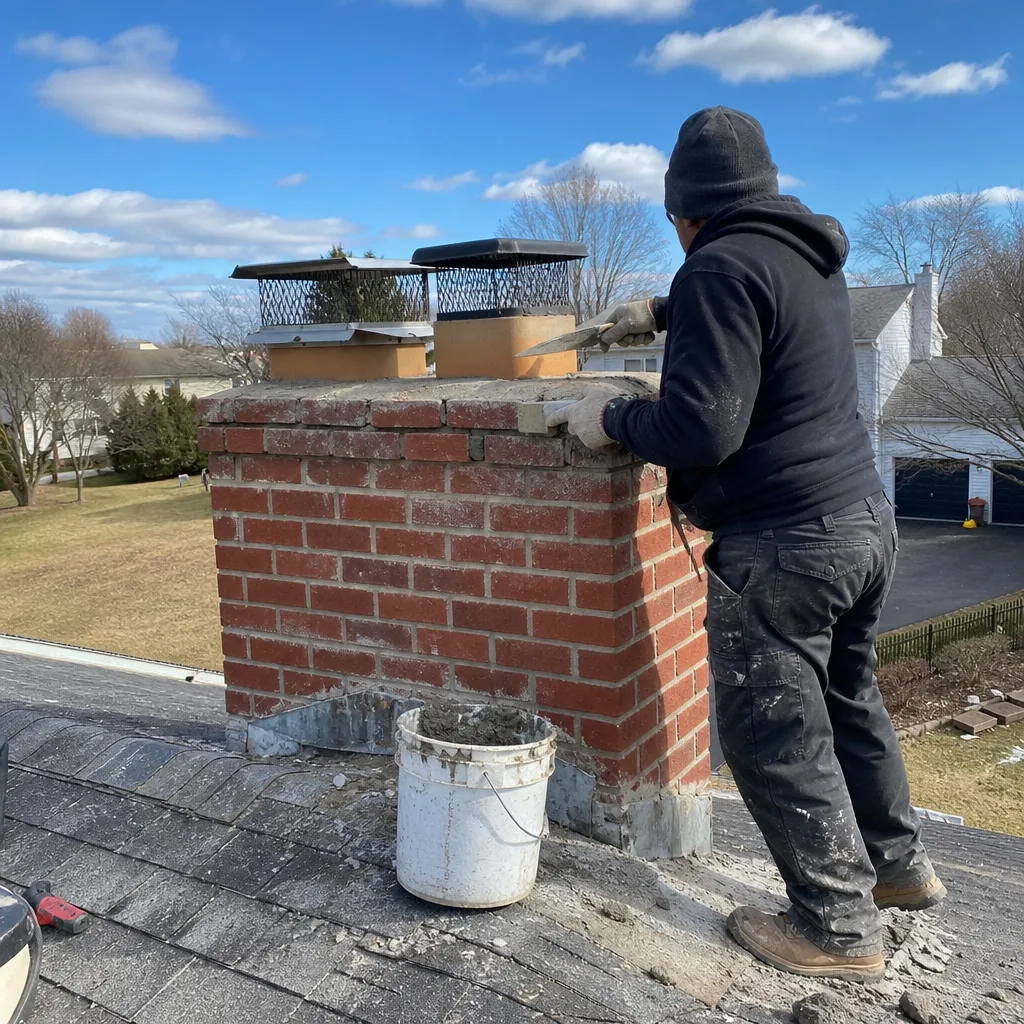
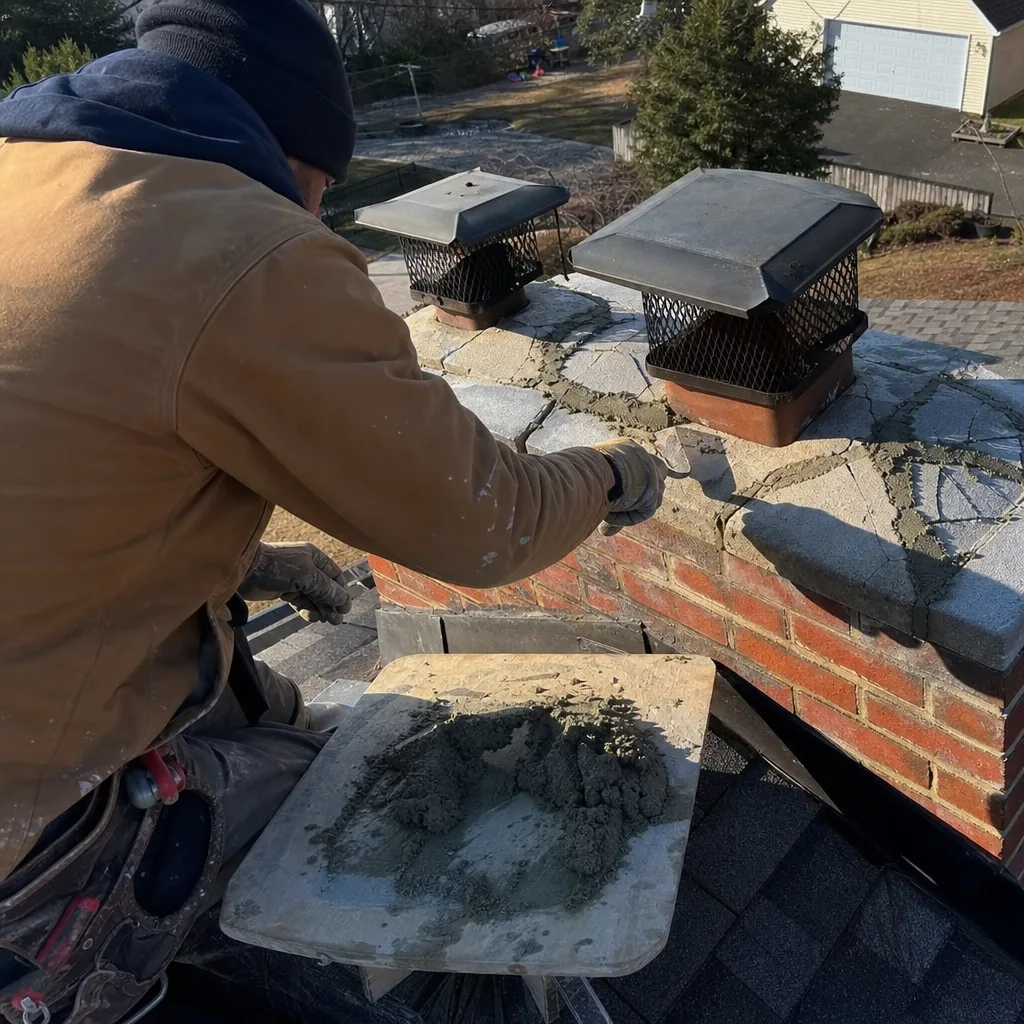
- Skipping the crown and cap during the visit. A chimney cleaning in Ashburn that only touches the flue interior is incomplete. The crown is the concrete slab at the top that sheds water; a cracked crown is the most common source of moisture intrusion we see, and it’s visible only from the roofline or with a chimney camera.
- Accepting a verbal “you’re good” as a condition report. You have no way to verify a verbal. You can verify photos. If the company won’t hand you camera stills, you didn’t receive a documented inspection.
- Using the fireplace as a disposal for wrapping paper and cardboard. In Ashburn, a sealed-up house with a hot fire and burning gift wrap is a recipe for a flue ignition. Paper burns hot and floats; the combination creates creosote ignition conditions even in a flue that was clean in October.
When to Call a Professional
Call when you see flakes of creosote falling into the firebox, when the fireplace smells damp or smoky even when cold, when the damper won’t seal, when you notice white staining on the exterior brick (called spalling, it means water is moving through the masonry), or when you’ve closed on a home in Ashburn and can’t locate the previous owner’s sweeping records. Our Seasonal Chimney Cleaning Care for Ashburn: Year-Round Homeowner’s Guide covers timing and warning signs in more detail. If you’ve had a chimney fire, even a small one, stop using the fireplace and get a Level 2 camera inspection before the next burn. Level Two Chimney Ashburn offers free estimates in Ashburn, call (240) 220-9412.
Frequently Asked Questions
A complete chimney sweep with Level 2 camera inspection and written documentation in Ashburn costs between $289 and $349 for standard flue conditions. A bare brush sweep without inspection or documentation runs $79 to $149, but that price excludes the inspection, condition report, and photo record that make the service actually useful. Call (240) 220-9412 for an exact quoted price before anyone schedules the work.
Every 40 to 60 burns, or once per year, whichever comes first, under a normal Ashburn winter burning pattern of one to two fires per week. Homes burning unseasoned wood or using the fireplace as a primary heat source may need cleaning twice per season. The camera inspection, not a calendar, determines when it’s time.
One skipped year with stage 1 creosote and a healthy flue is usually low-risk. A skipped year with stage 2 or stage 3 creosote is a fire hazard. The only way to know which situation you’re in is a camera inspection. We’ve cleaned Ashburn flues that had gone five years and were still stage 1, and flues that had gone eighteen months and were heavily glazed. Burning habits and fuel quality matter more than time elapsed.
Hairline cracks in a terra cotta liner in an exterior Ashburn chimney are common and can often be monitored if they’re not expanding. Gaps at mortar joints, separations, or rust-through on a steel flue are not monitor conditions; they’re replacement conditions. We never recommend a liner without showing you the camera footage and explaining what you’re seeing, and we price the recommendation in writing before you decide.
Factory-built zero-clearance fireplaces use thin steel flue walls that wire brushes can scratch and chemical solvents can corrode. The cleaning must use poly brushes and lower rotary speeds, and the inspection must confirm the unit matches its original listing. Ashburn’s 2000s-era construction in Broadlands and Brambleton included thousands of these units, and many have never been matched to their listed fuel type.
Before and after camera stills, a written condition grade for liner, crown, smoke chamber, and damper, a signed price sheet, written warranty terms, and a written recommendation list with prices. A receipt alone does not prove the flue was cleaned or that it’s safe to use. We’ve delivered this documentation packet on every job since 2009 under Haven Standard Clause 4. For more guides & resources, visit our blog. Call (240) 220-9412 and ask us to walk you through the packet for your specific home.
The Bottom Line
Chimney cleaning in Ashburn is not one thing; it’s four services that should be priced, performed, and documented separately. The sweep removes the fuel; the Level 1 inspection catches obvious problems; the Level 2 camera inspection finds what the naked eye can’t; and the written report creates evidence. Ashburn’s housing mix of masonry colonials and factory-built zero-clearance fireplaces means the protocol has to match the flue, not the price tag. Skip the $79 offer, get documentation, and insist on a camera. If you’re not sure what condition your flue is in, call (240) 220-9412 and get a written price before anyone books the appointment. Our fireplace services in Ashburn page covers the full range of what a complete inspection and cleaning should include, and we’re always available for a free estimate.
Written by Corrine Halstead, Owner at Level Two Chimney Ashburn, serving Ashburn since 2009.