
Last updated September 20, 2026
Level 1 sweep and inspection to the NFPA 211 annual standard - flue, crown, cap, and flashing checked and photographed
Chimney sweep logs do not sweep chimneys. They loosen some creosote - which then falls where a brush and vacuum still have to collect it.
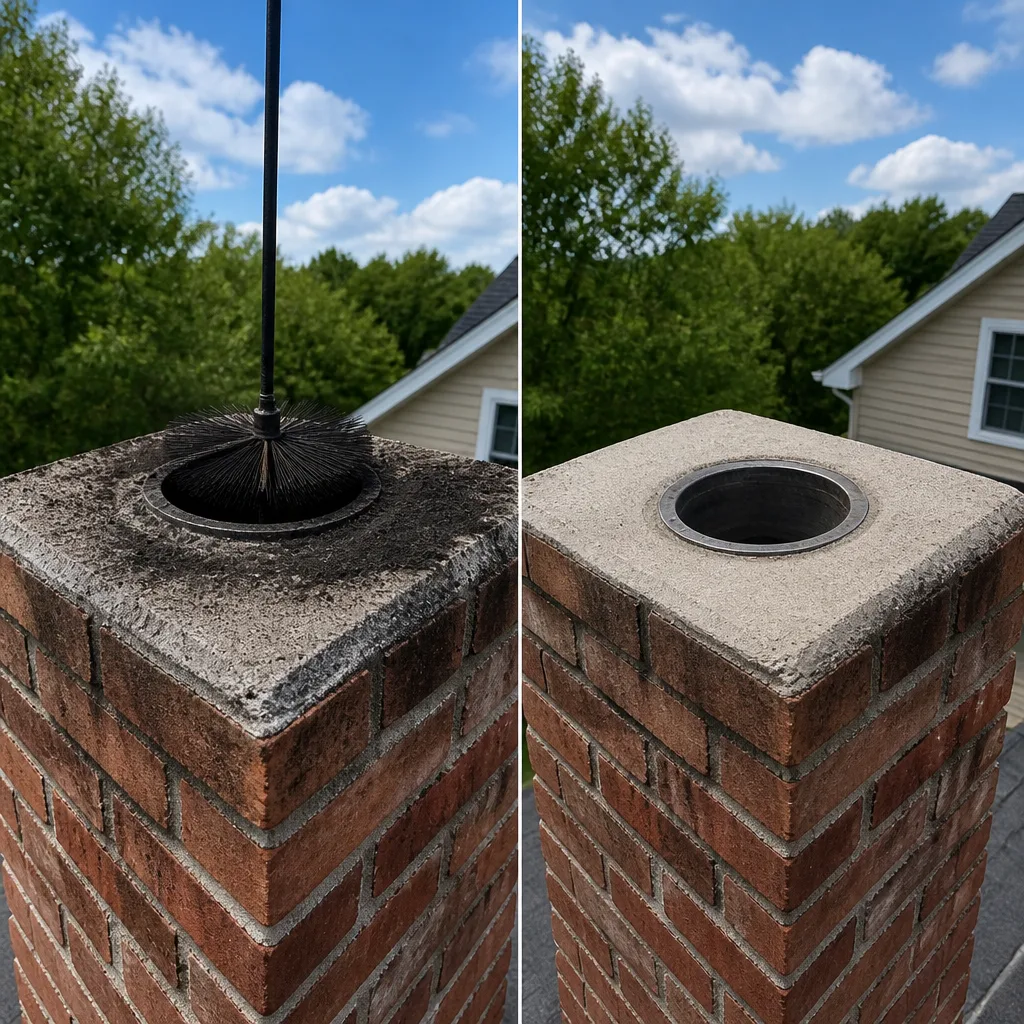
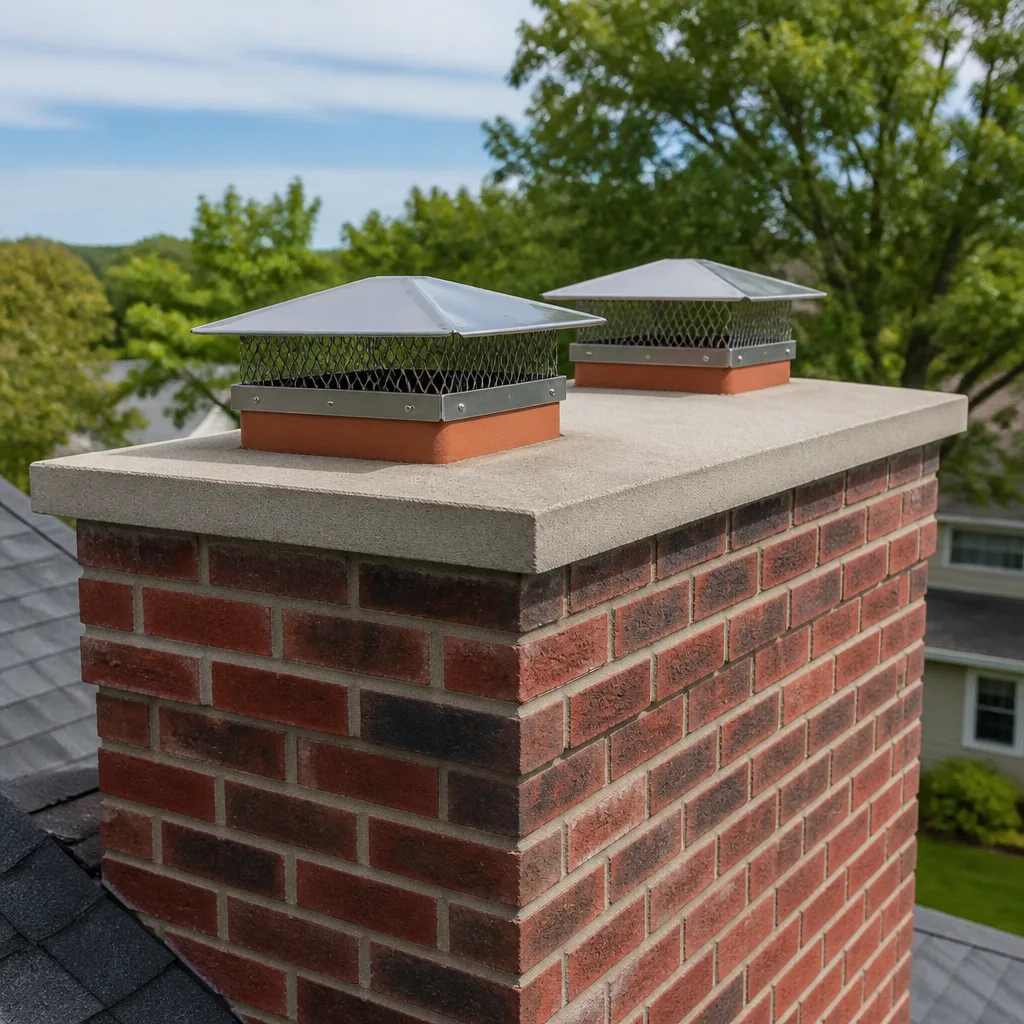
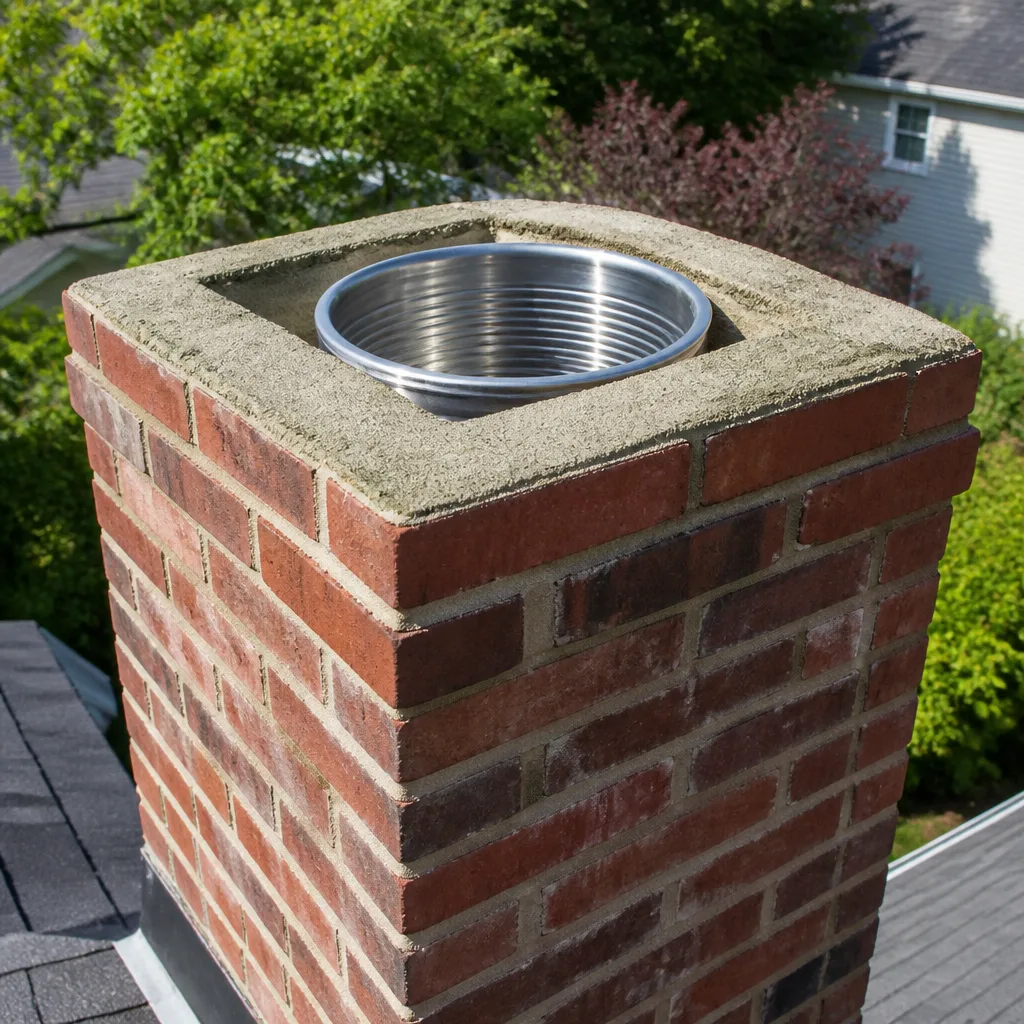
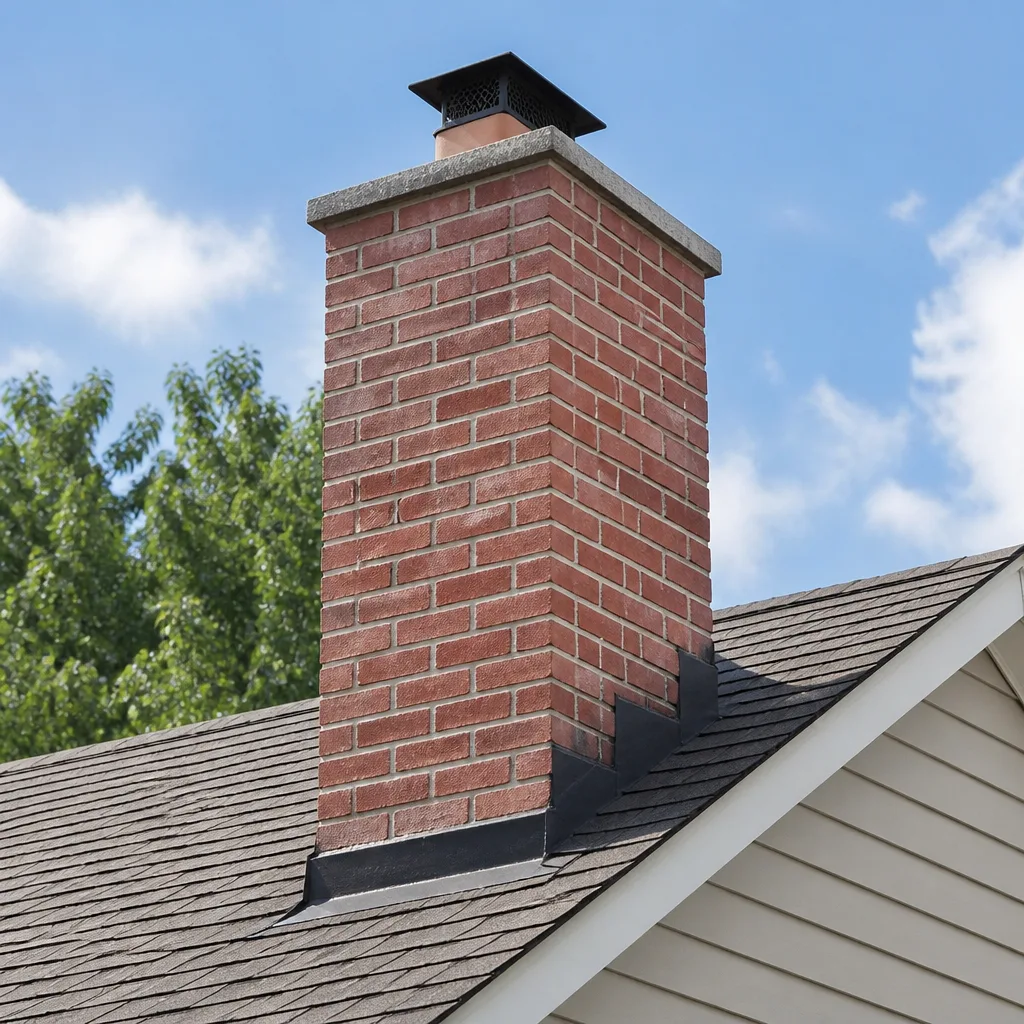
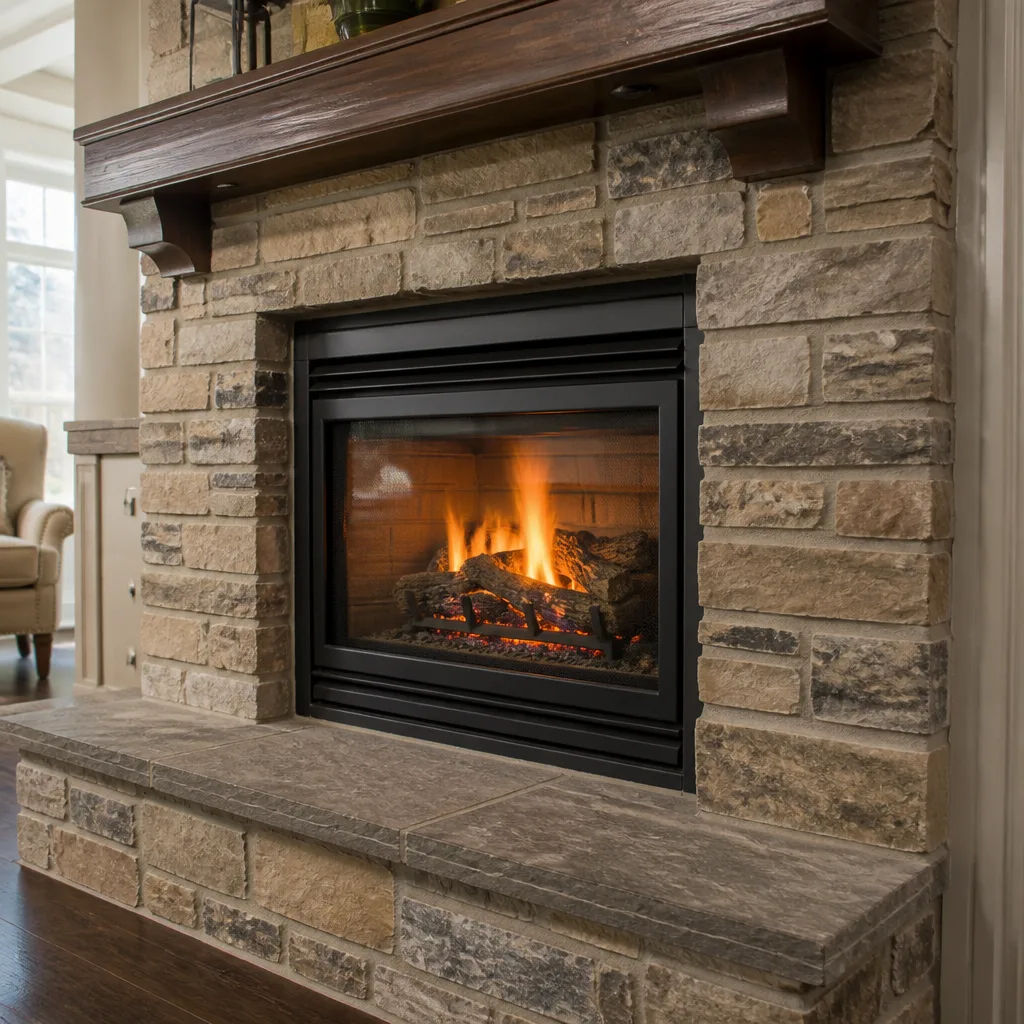
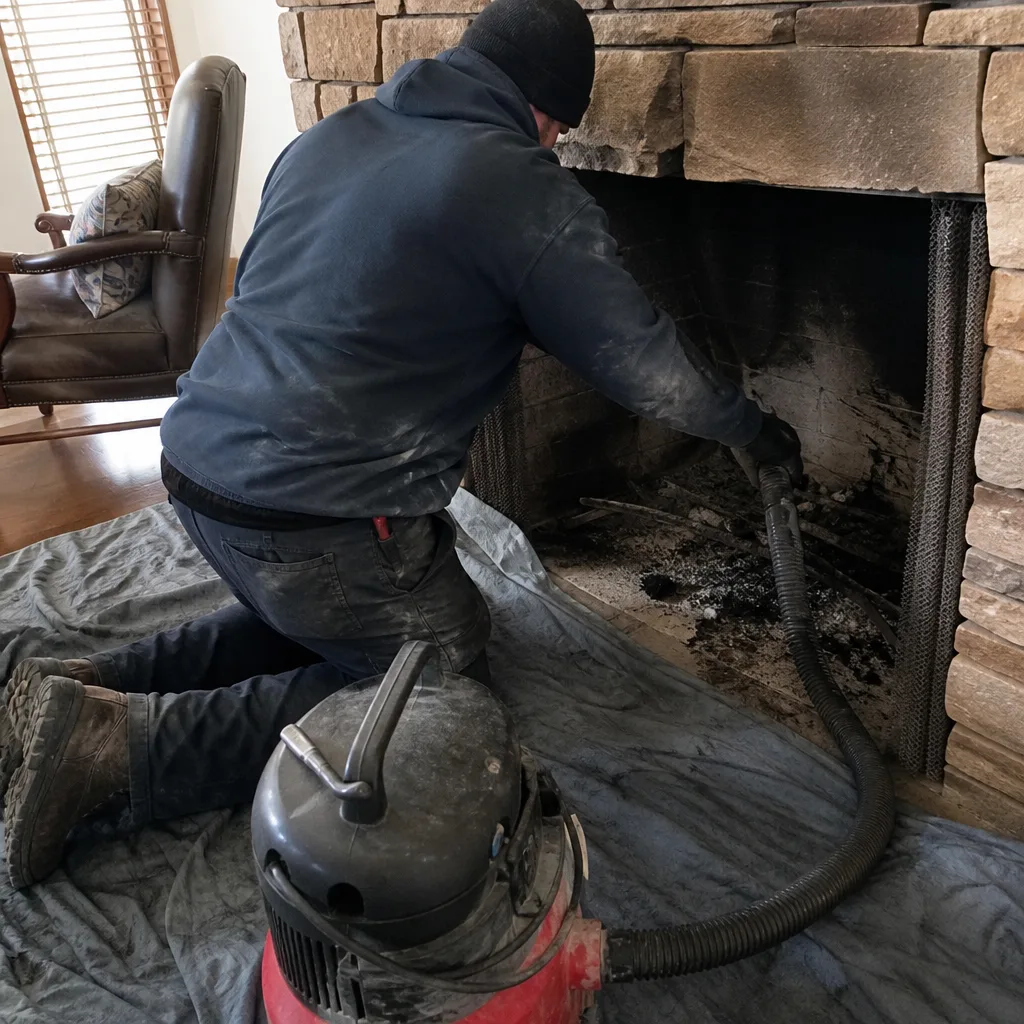 Before
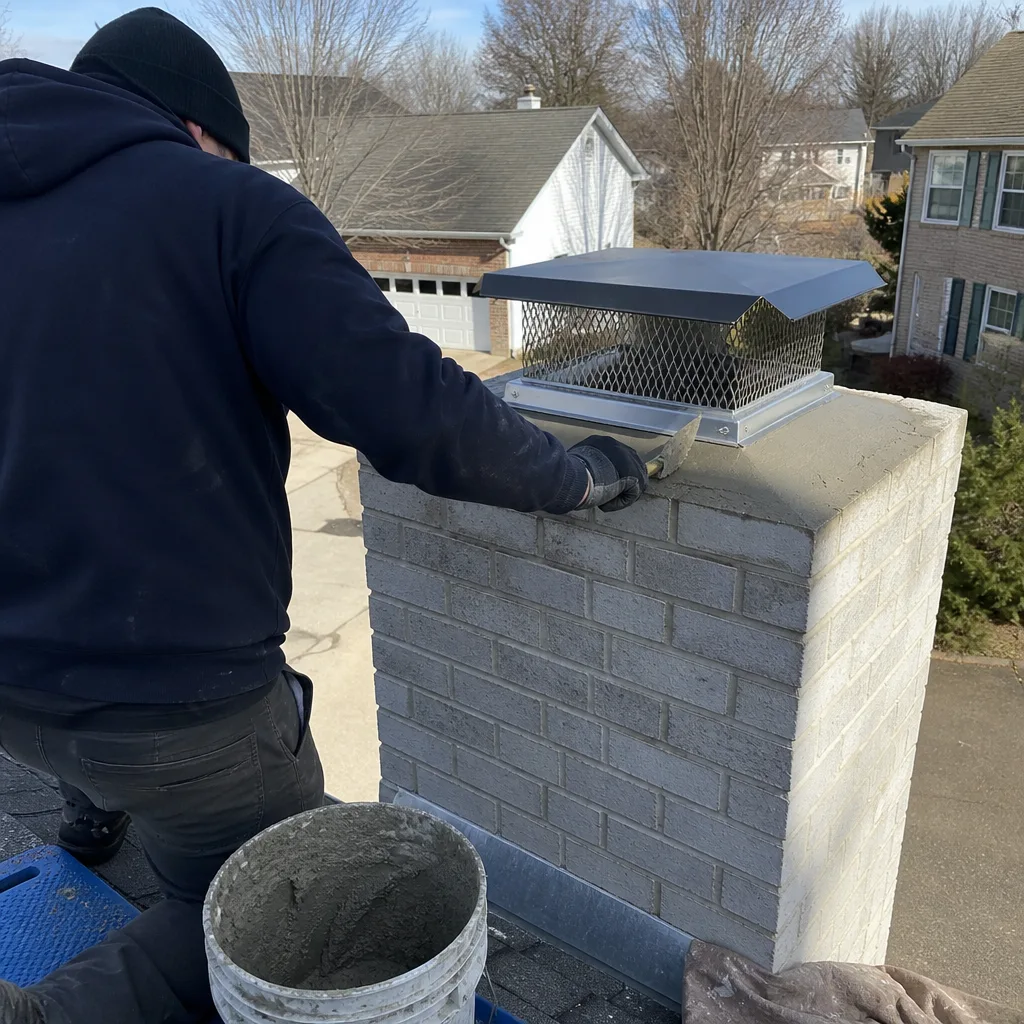 After
After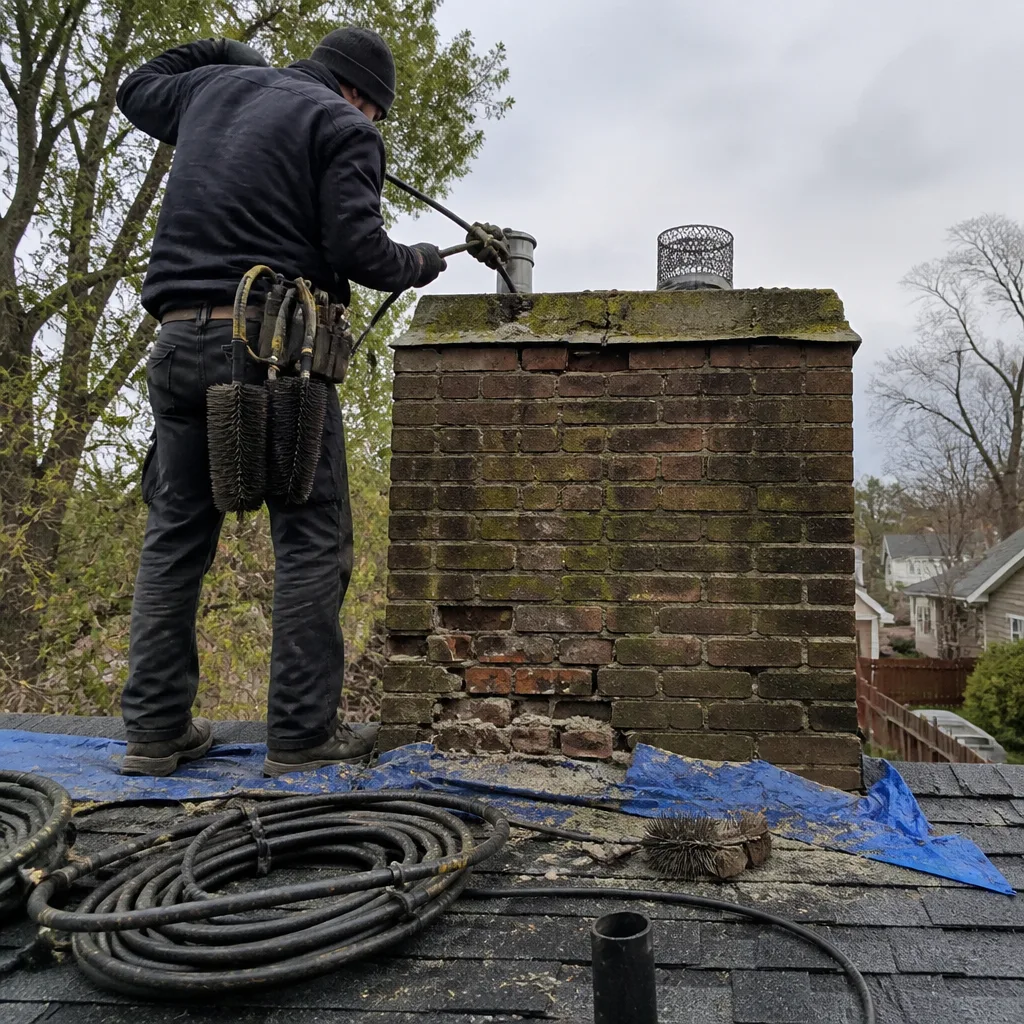 Before
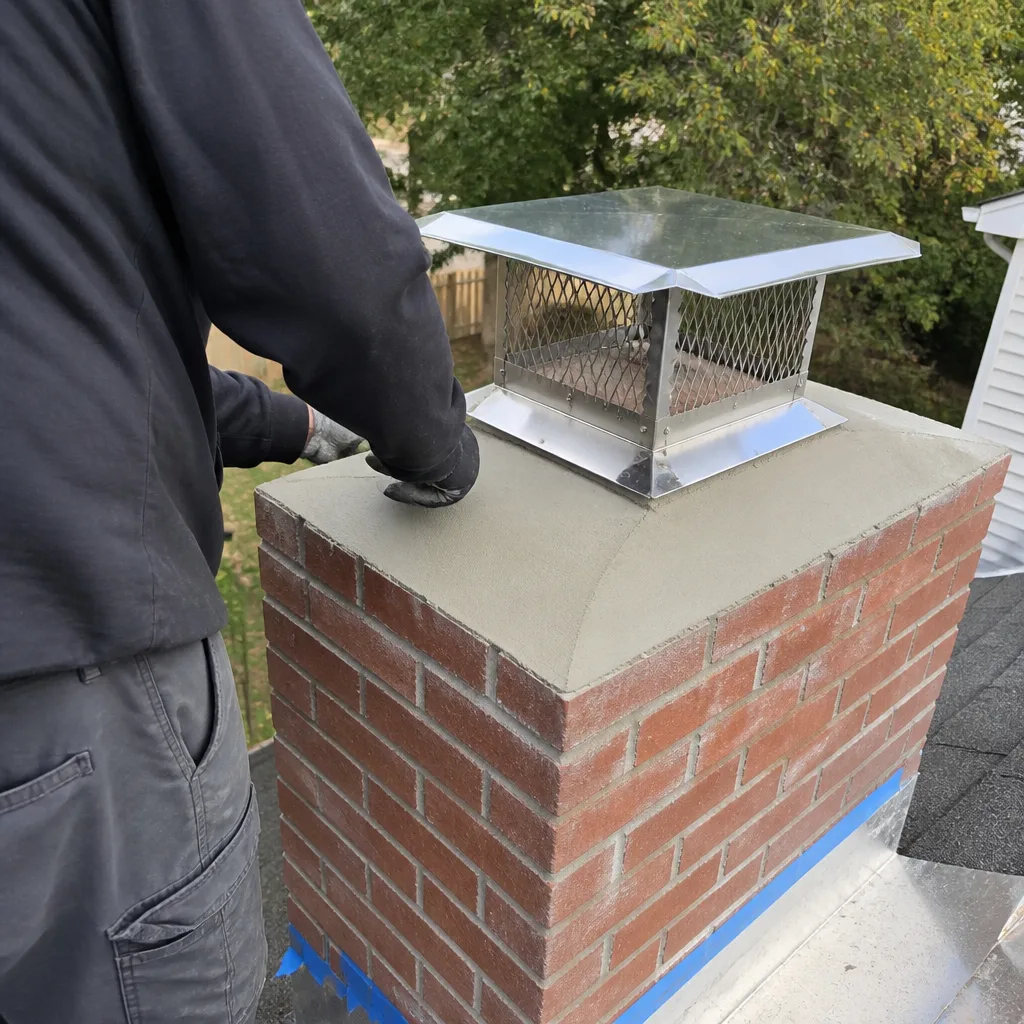 After
After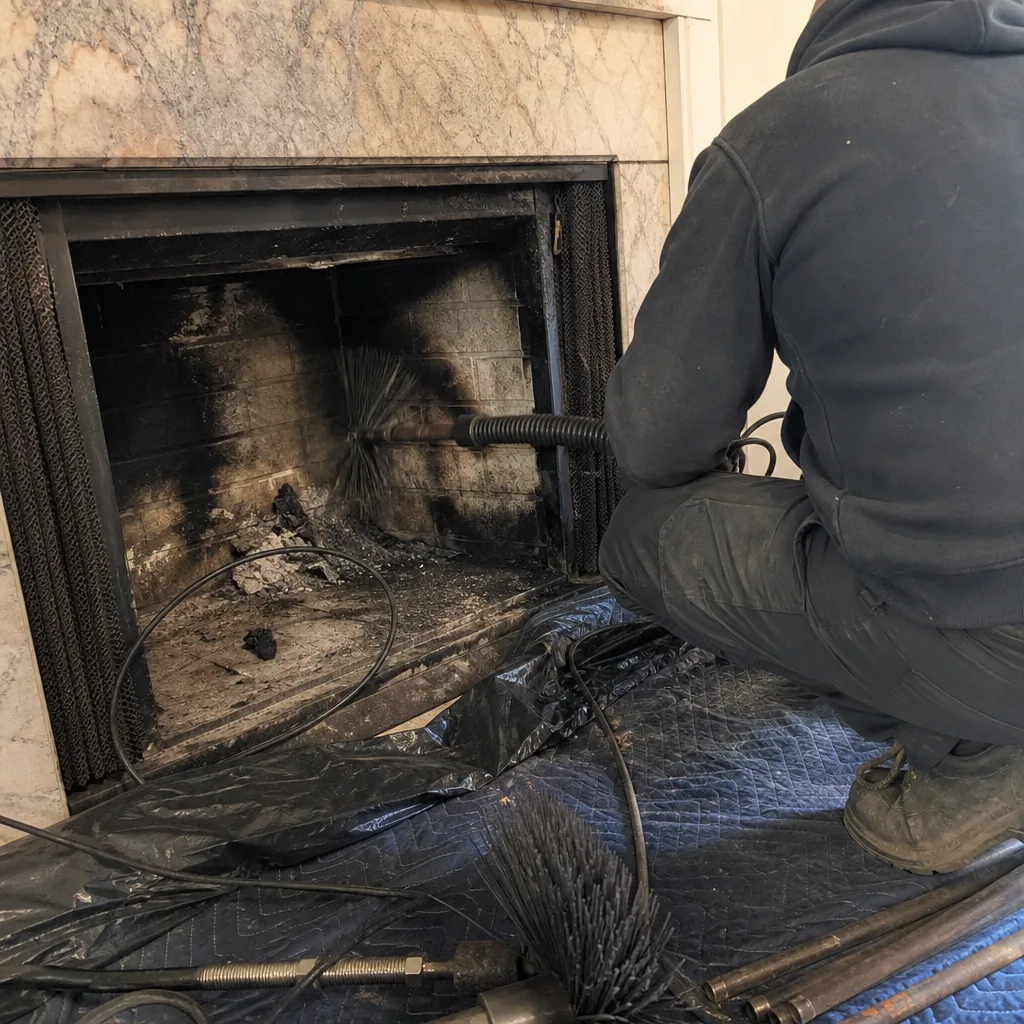 Before
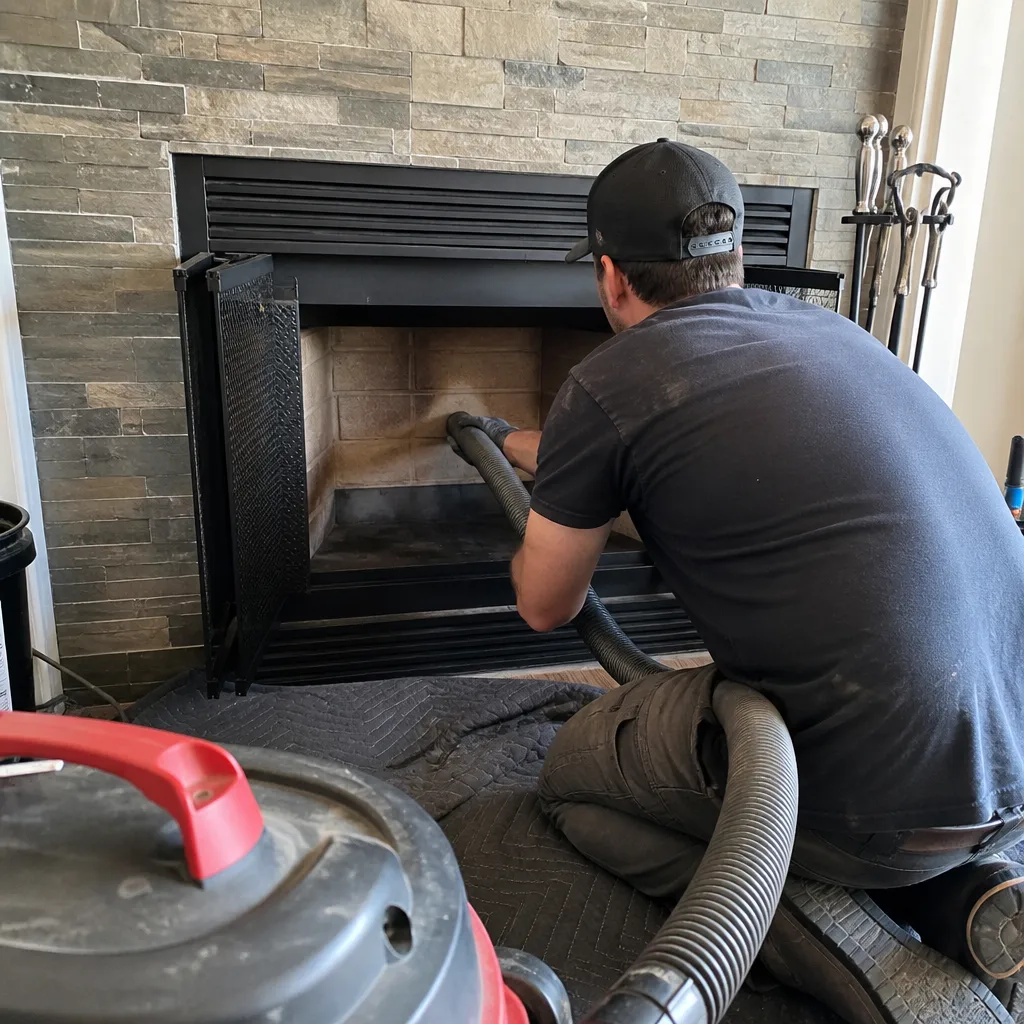 After
AfterHow to Hire a Chimney Cleaning Contractor in Ashburn: A Step-by-Step Guide
Virginia does not license chimney sweeps as a standalone trade. Any individual can buy a brush kit at a hardware store, print business cards, and advertise on Nextdoor as a chimney company in Ashburn by the end of the week. That single fact changes how you should approach hiring someone to clean your chimney: the credential question isn’t “are you certified?” but rather “what will you put in writing before, during, and after the job?” This guide walks through the exact questions to ask, the documentation to demand, the red flags specific to Ashburn’s contractor ecosystem, and how to read a quote so you know whether you’re hiring a professional or a seasonal operator with a ladder. For more guides & resources, visit our blog.
Quick Answer
To hire a chimney cleaning contractor in Ashburn, verify they follow the NFPA 211 Level 2 inspection standard with a camera scan, demand a written price and scope before scheduling, confirm they document the flue’s condition with photos you keep, and ask what their liability is if they miss a defect. A legitimate Ashburn chimney company will put all of this in writing without hesitation; anyone who says “we’ll assess it when we arrive” should be disqualified immediately.
Table of Contents
- Why Hiring in Ashburn Is Different from Hiring Anywhere Else
- Step 1: The Four Questions That Disqualify Most Contractors
- What CSIA Certification Actually Covers (and What It Doesn’t)
- How to Read a Chimney Cleaning Quote Without Getting Upsold
- Red Flags Specific to Ashburn’s Contractor Market
- What the Written Record After a Job Should Prove
- What a Proper Chimney Inspection and Cleaning Actually Includes
- Common Mistakes to Avoid
- When to Call a Professional
- Frequently Asked Questions
- The Bottom Line
BeforeAfterWhy Hiring in Ashburn Is Different from Hiring Anywhere Else
Ashburn sits in Loudoun County, where the housing stock skews newer than most Northern Virginia markets. A large share of homes in neighborhoods like Ashburn Farm, Ashburn Village, Brambleton, and Broadlands were built between 1995 and 2020. That matters for chimney work because newer construction often includes prefabricated fireplace systems and factory-built chimneys, not traditional masonry. A contractor who only knows how to sweep a masonry flue can damage a factory-built system without realizing it.
We’ve also seen a pattern specific to this area: Ashburn’s contractor marketplace on Facebook and Nextdoor fills with chimney cleaning offers every September and empties by December. These seasonal operators often lack insurance, lack any written inspection standard, and are gone before a homeowner discovers the job was incomplete. Hiring in Ashburn means filtering for someone who can document their work to a standard, not just someone who shows up with a brush.
The relevant protection for Loudoun County homeowners comes from the written record, not from any Virginia trade license, because Virginia’s Department of Professional and Occupational Regulation does not issue a chimney sweep license. A contractor may hold a general contractor’s license, and that’s worth verifying, but the real due diligence is asking what they’ll produce as evidence of the work. That’s the standard we’ve applied to Chimney Cleaning & Sweep in Ashburn since 2009, and it’s the standard we tell every homeowner to demand from anyone.
One more Ashburn-specific factor: the area’s humid summers and freeze-thaw winters stress chimney crowns and mortar joints faster than drier climates do. Spalling, which means the brick face flaking or popping off due to moisture intrusion, shows up frequently in Ashburn chimneys that haven’t been inspected in years. A camera scan catches early-stage spalling before it becomes a structural repair.
Step 1: The Four Questions That Disqualify Most Contractors
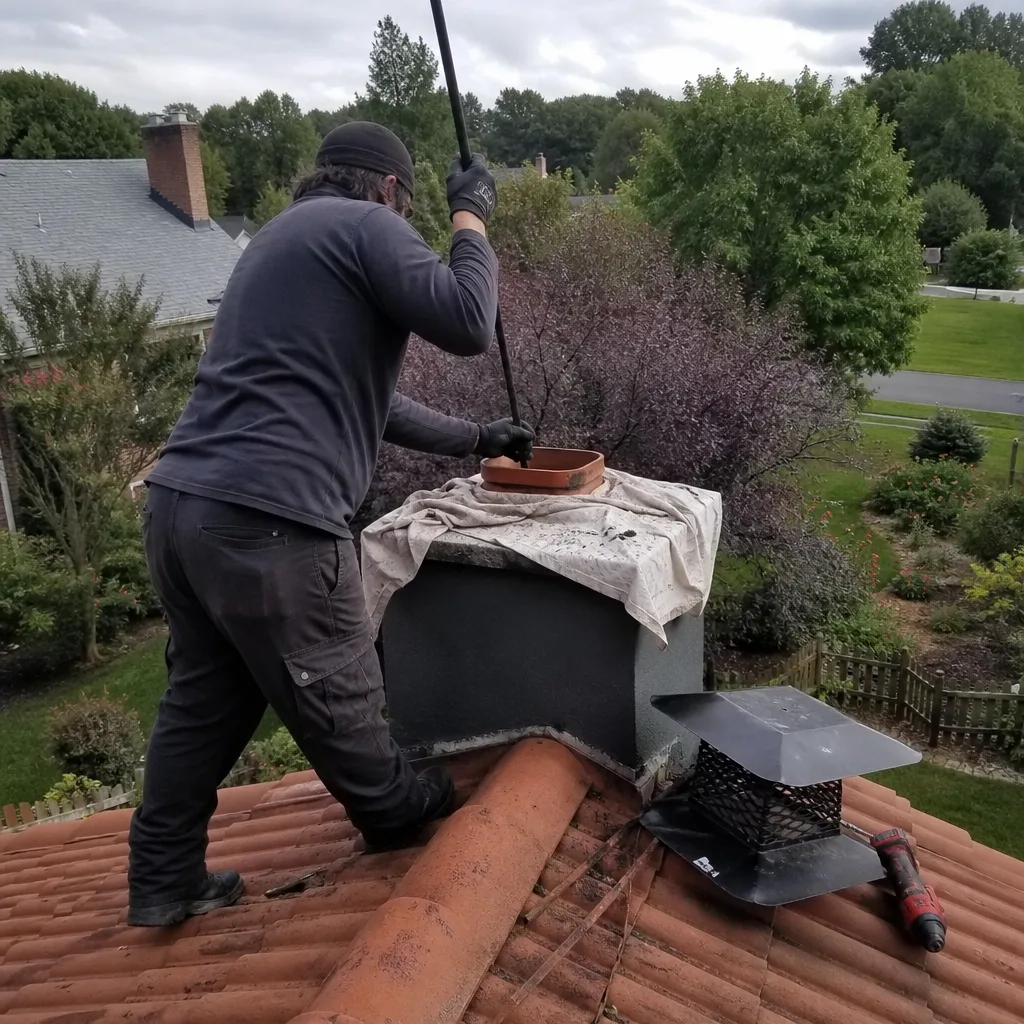
Before you book anyone, ask these four questions on the phone or by text. The answers tell you everything you need to know about how the company operates. If any answer is vague, you’ve learned enough to move on.
- “Will you provide a written price and written scope before anyone arrives at my home?” The correct answer is yes, without conditions. An answer like “we need to see the chimney first” is disqualifying. Seeing the chimney before pricing is only necessary if the contractor plans to find additional work while on site. A written price before work starts is Clause 1 of the Haven Standard, the written standard our company operates under, and any reputable firm can do the same.
- “Does your inspection include a camera scan of the flue, or is it a visual look from the top and bottom?” The correct answer is a camera scan. A flashlight look from the roofline and the firebox cannot see the middle 80% of the flue. That’s where cracked clay tiles, gaps in the mortar joints, and Class III creosote hide. If the company says a visual inspection is sufficient, they are not working to NFPA 211 Level 2.
- “What documentation do I receive after the job?” The correct answer includes photos, a written condition report, and a written warranty. An answer like “we’ll leave a receipt” means you have no record of what they found, which also means no evidence if a problem surfaces later. Clause 4 of the Haven Standard requires a documented photo record on every job, and it’s been our default since 2009, not an optional add-on.
- “What is your liability if you miss a defect during the inspection?” The correct answer references a written warranty and a specific promise. A vague answer like “we stand by our work” without a written commitment means you carry all the risk of a missed crack or blockage.
We hear from Ashburn homeowners who booked a cleaning, paid a low flat rate, and ended up with a verbal list of “recommended repairs” that cost thousands, with no photos and no way to verify any of it. The four questions above filter out that entire category of operator.
What CSIA Certification Actually Covers (and What It Doesn’t)
The Chimney Safety Institute of America (CSIA) certification is a knowledge test. It verifies that a technician has studied and passed an exam covering chimney science, code requirements, and inspection procedures. It does not function as a license, and it carries no enforcement mechanism in Virginia. If a CSIA-certified sweep does poor work, the CSIA cannot revoke any legal right to operate, because they never granted one.
This matters in Ashburn because you’ll see “CSIA Certified” printed on truck doors and Facebook ads, and it’s reasonable to assume that means the state has vetted the company. It hasn’t. It means an individual passed a test at some point. It says nothing about whether the person who shows up at your door is that same individual, whether the company carries insurance, or whether the company has a track record of documented inspections.
None of this is to say CSIA certification is meaningless. A technician who has passed the CSIA exam has demonstrated baseline knowledge that a random person with a brush has not. But the certification should be treated as one data point among several, not as the deciding factor. The deciding factor is the written standard the company applies to every job.
When a company like ours performs a Chimney Repair in Ashburn or a cleaning, we work to the NFPA 211 standard and document what we find. The camera footage and written report are the enforcement mechanism. If a defect was missed, the homeowner has evidence and a written warranty. That’s stronger than any certification, because it’s enforceable in court and verifiable by a third party.
How to Read a Chimney Cleaning Quote Without Getting Upsold
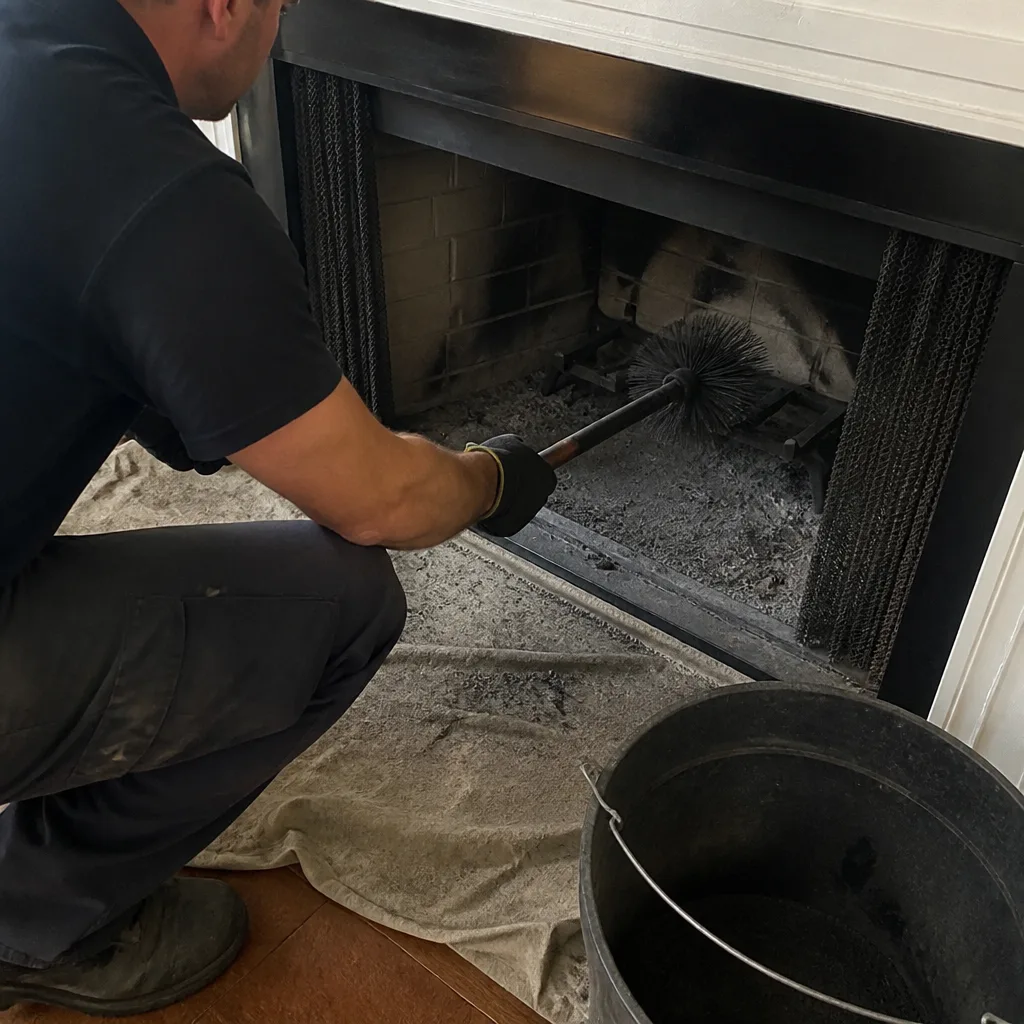
The format of a quote predicts the shape of the job. A quote that says “chimney cleaning starting at $89” is a lead-generation tool. It gets a technician into your Ashburn home, where the upsell pressure begins. A quote that breaks down line items, one by one, tells you the company expects to be held to a written scope.
Here’s what a clean quote looks like for a standard Ashburn chimney cleaning and inspection:
- Sweep and clean: full-length brushing of the flue, including removal of creosote and debris from the smoke shelf and firebox.
- Camera scan inspection: NFPA 211 Level 2 inspection with a video camera, including a condition grade for the flue liner.
- Written condition report: photos and notes documenting the liner, crown, damper, and smoke chamber.
- Disposal: removal and disposal of creosote, soot, and debris.
In the Ashburn market, a standard cleaning and Level 2 inspection typically runs between $225 and $400 for a single flue, depending on access and the condition of the system. For a deeper look at pricing, see our Chimney Cleaning Cost Breakdown: The Ashburn Homeowner’s Reference for 2026. A quote far below that range should make you ask what’s being omitted. A quote far above it should make you ask what’s being added.
The “starting at” format is the one to be wary of. It’s designed to get a technician into your home at a price that cannot possibly cover a proper camera inspection, which creates the incentive to find or invent additional work. A written flat price, on the other hand, forces the company to price the job accurately before they arrive. We’ve provided written prices before work starts on every job since 2009, and the free second opinion we offer on any competitor’s written estimate exists because homeowners in Ashburn deserve a way to check the number they’ve been given.
Red Flags Specific to Ashburn’s Contractor Market
Ashburn’s growth has created a dense, affluent market for home services, which attracts both legitimate operators and short-term opportunists. Here are the patterns we hear about most often from homeowners in Ashburn Farm, Ashburn Village, and the surrounding communities.
- The September operator. A company appears on Facebook Marketplace and Nextdoor in early fall, offers aggressive pricing, books a season of cleanings, and disappears by December. The trailer is rented, the phone number gets disconnected, and the homeowner has no recourse if the job was done poorly. Ask how long the company has been operating in Loudoun County specifically.
- The “inspector” who’s really a salesperson. A low-cost cleaning is booked, and then the technician spends the entire visit pitching a liner replacement, a crown rebuild, or waterproofing, showing the homeowner photos that may not even be from their chimney. Ask whether the photos are timestamped and whether you’ll receive them in writing.
- The cash-only discount. A price quoted for cash, with no receipt, means no written record. No written record means no warranty, no proof of work, and no way to pursue a claim.
- The uninsured operator. Chimney work happens on your roof and inside your flue. If the company doesn’t carry liability insurance and workers’ compensation, a fall from your roof becomes your legal liability.
- The alias company. A company that operated under one name last season and a different name this season may be shedding bad reviews or legal claims. Look at how long the business has existed under its current name and whether the owner is named anywhere on the site.
We’ve also noticed a rise in what we call the “sweep-and-dash”: a technician who brushes the top six feet of the flue, vacuums the firebox, and calls it done because the homeowner can’t see the upper half of the chimney. A camera scan makes this impossible. Clause 4 of the Haven Standard, which requires a documented photo record on every visit, exists precisely because homeowners cannot verify work they cannot see.
What the Written Record After a Job Should Prove
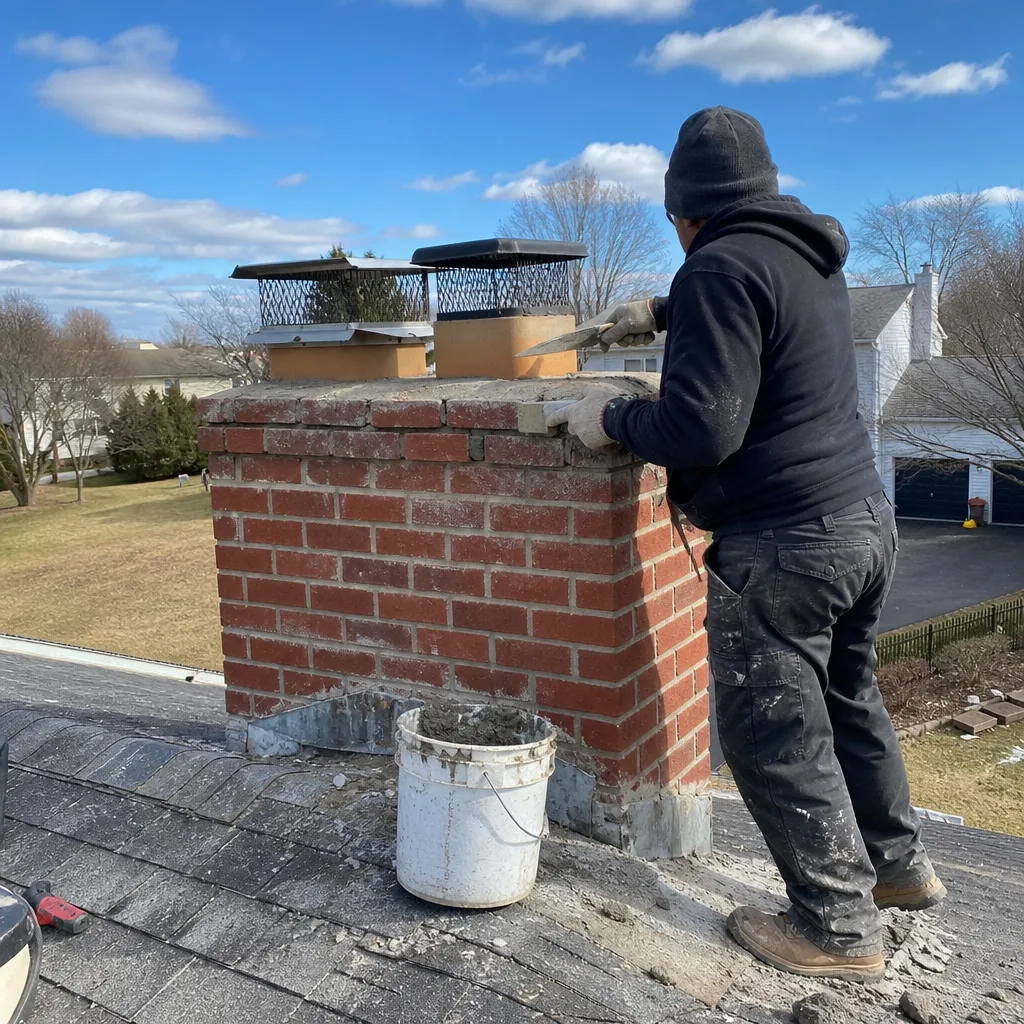
The written record you walk away with after a chimney cleaning isn’t a receipt. It’s evidence. Here’s what it should prove, item by item.
That cleaning actually happened, throughout the flue. A photo of the flue before cleaning and after cleaning, taken with the same camera from the same angle, proves the creosote was removed from the full length, not just the firebox. Without the photos, you’re taking someone’s word.
That the flue was assigned a condition grade. NFPA 211 uses three levels of creosote classification and describes liner condition in terms of cracks, gaps, and spalling. Your report should state the condition in plain terms: “liner intact, no cracks observed,” “minor spalling noted at the crown, monitor annually,” or “cracked flue tiles at 12 feet, replacement recommended.” Vague language like “could use some attention” is not a report.
That hazards were noted and prioritized. If the technician finds a blocked flue, a cracked liner, or a missing chimney cap, the written report should say so, explain what the risk is, and assign a priority: fix now, fix before next season, monitor.
That liability is assigned. A written warranty that states what the company promises and for how long is the difference between “we stand by our work” and an enforceable commitment. Our 365-Day Done Right Promise is in writing on every job: if it’s not done right, we make it right. That’s a promise with a term and a scope, not a verbal assurance.
The photo record is also useful for insurance claims and home sales. If you sell your Ashburn home and the buyer asks about the chimney, a dated inspection report with photos answers the question. If there’s a chimney fire and your insurer asks whether the chimney had been maintained, the same report documents your diligence.
What a Proper Chimney Inspection and Cleaning Actually Includes
A proper chimney cleaning and inspection under NFPA 211 Level 2 is a systematic process, not a ten-minute brush job. Here’s what happens when we clean and inspect a chimney in an Ashburn home.
- Setup and protection. Drop cloths go down around the firebox. A high-efficiency vacuum runs during the entire cleaning to control dust. The technician sets up roof access safely.
- Top-down camera scan. The camera descends from the crown down through the flue, capturing the liner condition, mortar joints, and any obstructions. This is the part of the inspection a visual look cannot replicate.
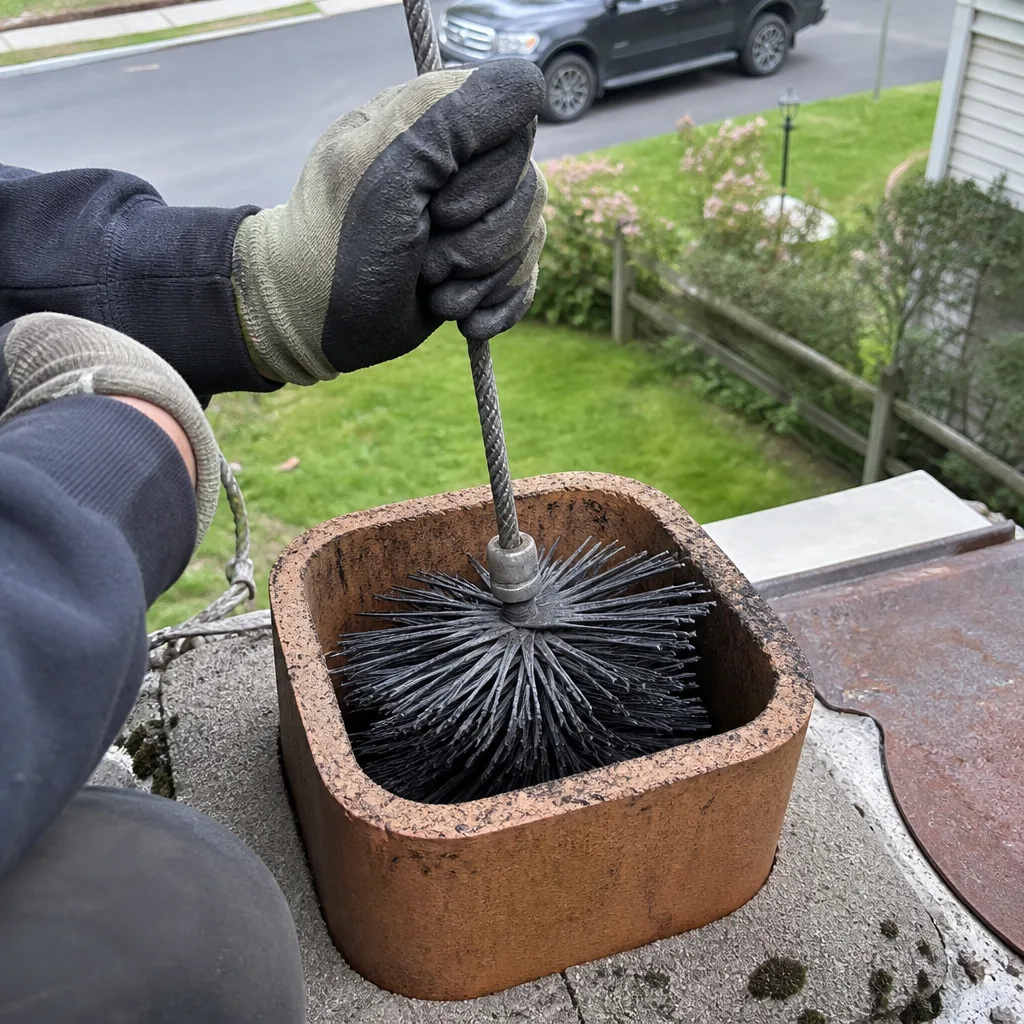
- Mechanical sweeping. The flue is brushed full-length with a properly sized brush, removing creosote from the liner walls, the smoke shelf, and the damper area.
- Firebox and smoke chamber cleaning. The firebox, smoke chamber, and damper are cleaned and vacuumed. This is the area where debris accumulates most visibly.
- Post-clean camera verification. The camera goes down again to confirm the flue is clean and to capture the after photos that go into your written report.
- Condition report and walkthrough. The technician explains what was found, grades the condition of the liner and crown, and delivers the written report with photos and any recommendations.
Materials matter too, especially when a repair is recommended. We use components from Fireplace Services in Ashburn manufacturers like HeatShield for liner repair systems and Gelco for caps and crowns. When a homeowner needs a liner resurfaced or a cap replaced, the material brand should be named in the quote. If a company won’t tell you what materials they’re putting into your chimney, that’s an answer in itself.
Common Mistakes to Avoid
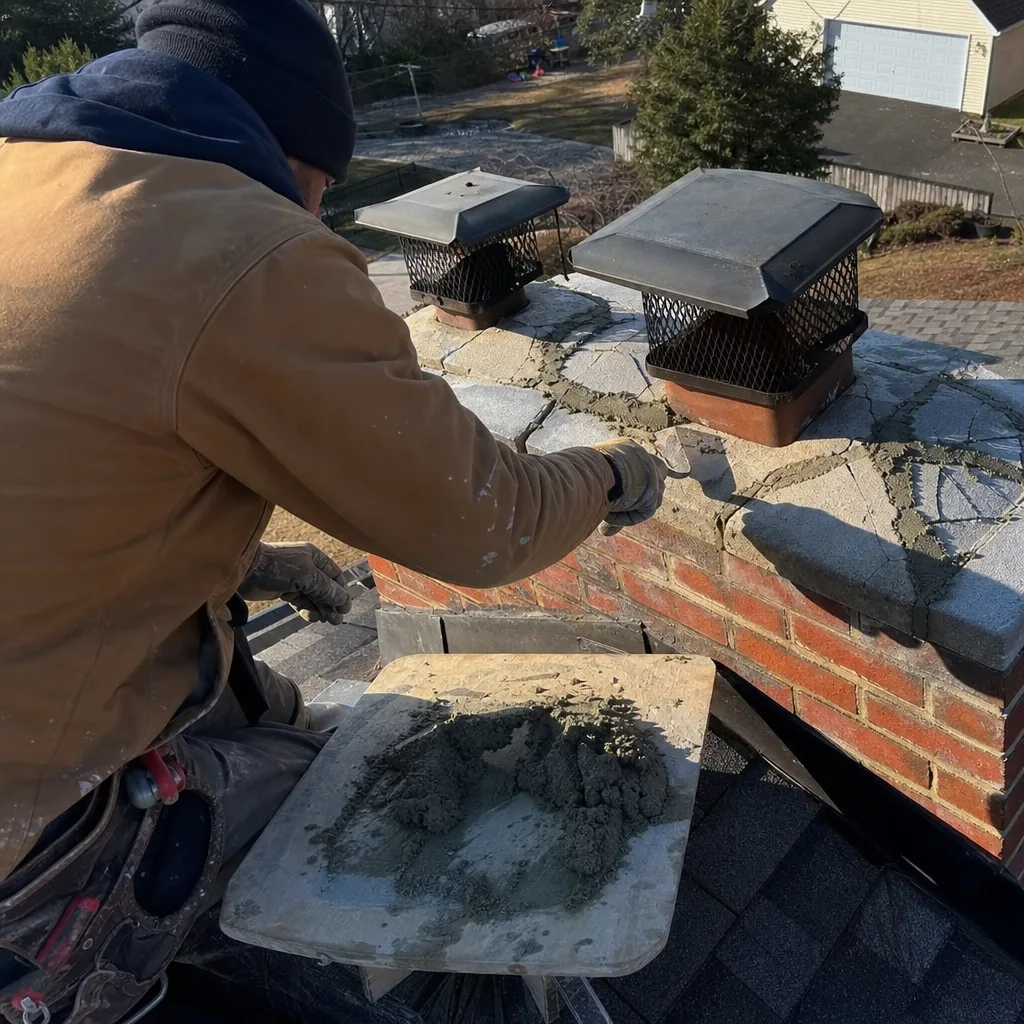
- Hiring based on the lowest price. A $79 chimney cleaning in Ashburn is a lead-generation tool, not a service. The real cost shows up in the upsell pressure that follows, or in the missed defect that becomes a four-figure repair later.
- Asking “are you certified?” instead of “what will you document?” Certification tells you someone passed a test. Documentation tells you what they’ll prove after the job and who carries liability if they’re wrong.
- Skipping the camera inspection. A visual inspection cannot see the middle of the flue, which is where most failures begin. If you’re paying for an inspection, it should include a camera.
- Accepting a verbal report. If it’s not in writing, it didn’t happen in any way you can enforce. Demand photos and a written condition report.
- Booking without confirming insurance. Roof work is dangerous. An uninsured contractor’s fall becomes your liability. Ask for proof of insurance before anyone gets on your roof.
- Waiting until burning season. Ashburn’s fall rush means good companies book out weeks in advance. Scheduling your cleaning in late summer or early fall gives you time to address any findings before you want to build a fire.
- Hiring a seasonal operator. If the company didn’t exist under its current name last March, be cautious. A chimney company should be reachable year-round, not just between September and December.
When to Call a Professional
Call a chimney professional if you smell smoke in the house when the fireplace is not in use, if you see dark staining on the walls around the fireplace, if you hear animals in the chimney, if your last cleaning was more than a year ago, or if you’ve never had a camera inspection of the flue since buying your home. Any visible flaking or cracking on the chimney crown, any water staining on the ceiling near the chimney chase, or any difficulty opening and closing the damper also warrants a call. Creosote is flammable, and a blocked flue can push carbon monoxide into the house, so don’t defer an inspection when a sign shows up. Level Two Chimney Ashburn offers Level Two Chimney Ashburn home inspections and cleanings with a documented photo record on every visit. Call (240) 220-9412 for a free estimate in Ashburn.
Frequently Asked Questions
A proper chimney cleaning with a Level 2 camera inspection in Ashburn typically costs between $225 and $400 for a single flue, depending on the height of the chimney and the amount of creosote present. Quotes far below that range usually omit the camera inspection or are sized to create upsell opportunities. Call (240) 220-9412 for a written flat-price quote before you book.
The NFPA 211 standard says chimneys should be inspected at least once a year and cleaned when creosote buildup reaches 1/8 inch or when a hazard is present. For an Ashburn homeowner who burns wood more than twice a week during the season, that usually means a cleaning every fall. See our Seasonal Chimney Cleaning Care for Ashburn: Year-Round Homeowner’s Guide for a full seasonal maintenance calendar. If you burn primarily gas logs, the cadence can be longer, but the annual inspection still applies.
Creosote accumulates on the flue walls with every wood fire, and class III creosote, the thick, tar-like buildup, is the primary fuel for chimney fires. A chimney fire can crack a flue liner, which then allows heat and gases into the surrounding structure. Even without a fire, a blocked flue can direct carbon monoxide into the house. None of these conditions announce themselves before causing damage.
A camera inspection is the only way to see the full length of the flue. A visual check from the roofline and the firebox cannot see cracked tiles, hidden gaps, or accumulated creosote in the middle section of the chimney. Any company that claims a visual inspection is sufficient is not working to the NFPA 211 Level 2 standard.
No. Virginia does not license chimney sweeps as a trade, which means CSIA certification is a voluntary knowledge credential, not a legal requirement. It’s worth asking about, but it should not replace asking about written pricing, camera documentation, and insurance.
A proper receipt includes a written condition report with photos of the flue before and after cleaning, a condition grade for the liner and crown, a list of any hazards noted and their priority, and the scope and term of the written warranty. A receipt that only shows a dollar amount proves nothing about the condition of the chimney. Call (240) 220-9412 if you’d like to see the written report format we’ve used since 2009.
The Bottom Line
Hiring a chimney cleaning contractor in Ashburn comes down to written evidence. Virginia doesn’t license chimney sweeps, so the protection lies in what a company puts on paper before, during, and after the job. Ask for a written price and scope before booking, demand a camera scan and photo record, read the quote for line items instead of “starting at” bait, and confirm insurance and a written warranty. The company that can produce all of this without hesitation is the one to hire. The one that can’t is advertising, not inspecting. Level Two Chimney Ashburn has inspected and cleaned more than 38,000 chimneys since 2009, every one with a written price before work started and a documented record when it was done. Call (240) 220-9412 for a free estimate.
Written by Corrine Halstead, Owner at Level Two Chimney Ashburn, serving Ashburn since 2009.