
Last updated September 20, 2026
Level 1 sweep and inspection to the NFPA 211 annual standard - flue, crown, cap, and flashing checked and photographed
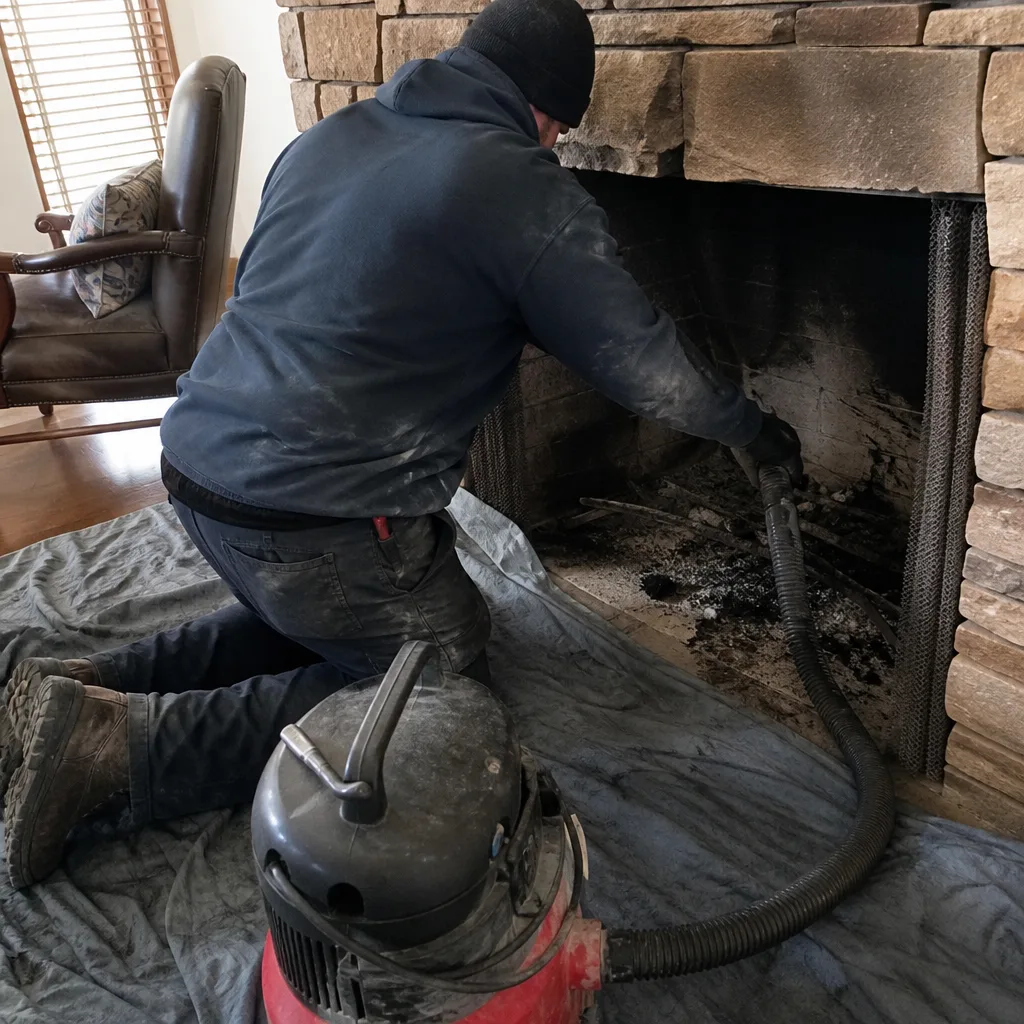
Chimney sweep logs do not sweep chimneys. They loosen some creosote - which then falls where a brush and vacuum still have to collect it.
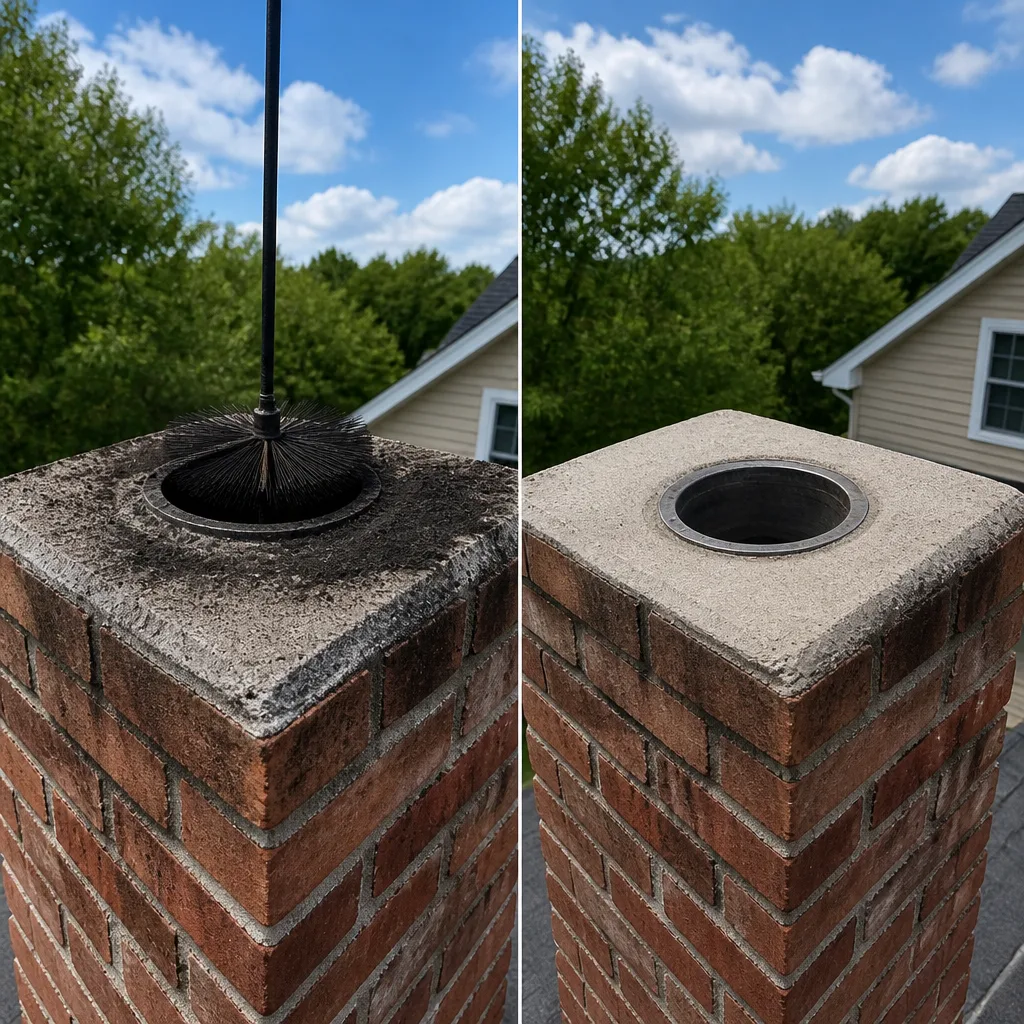
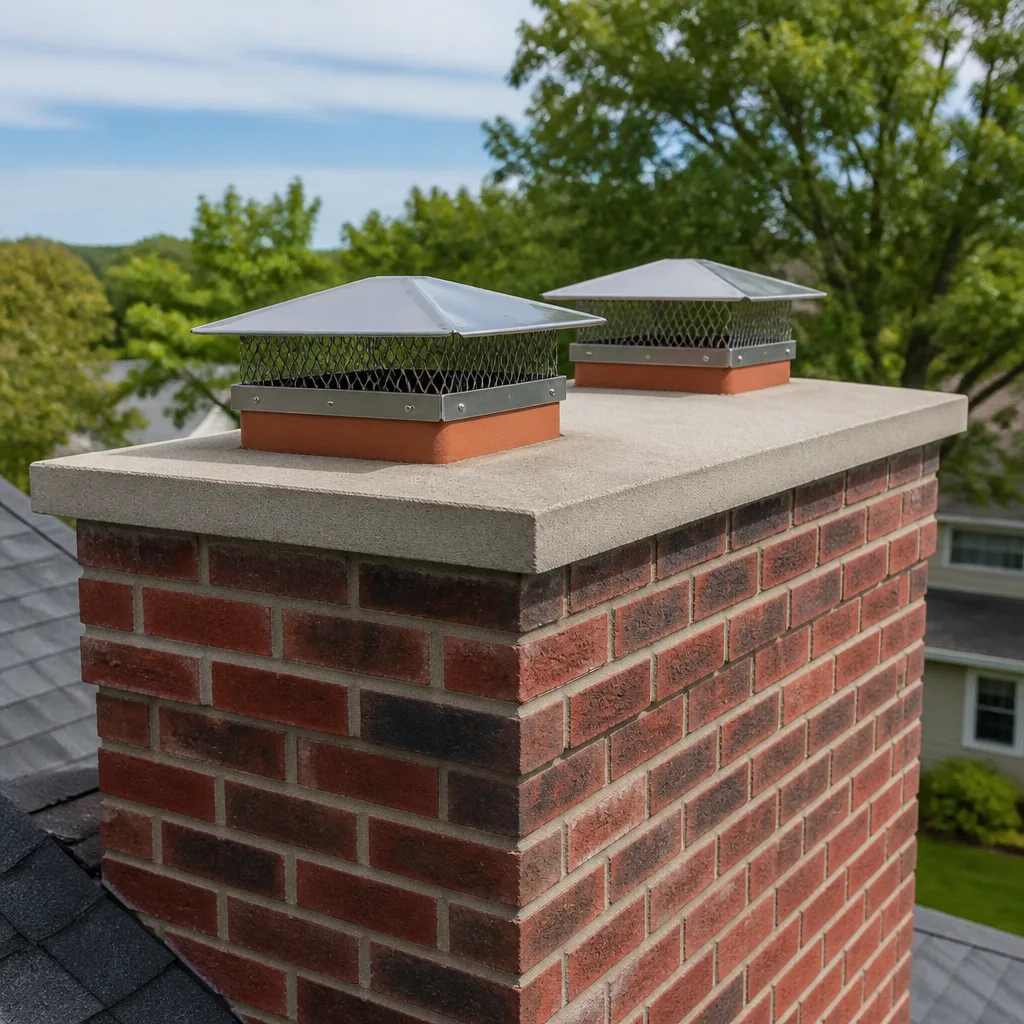
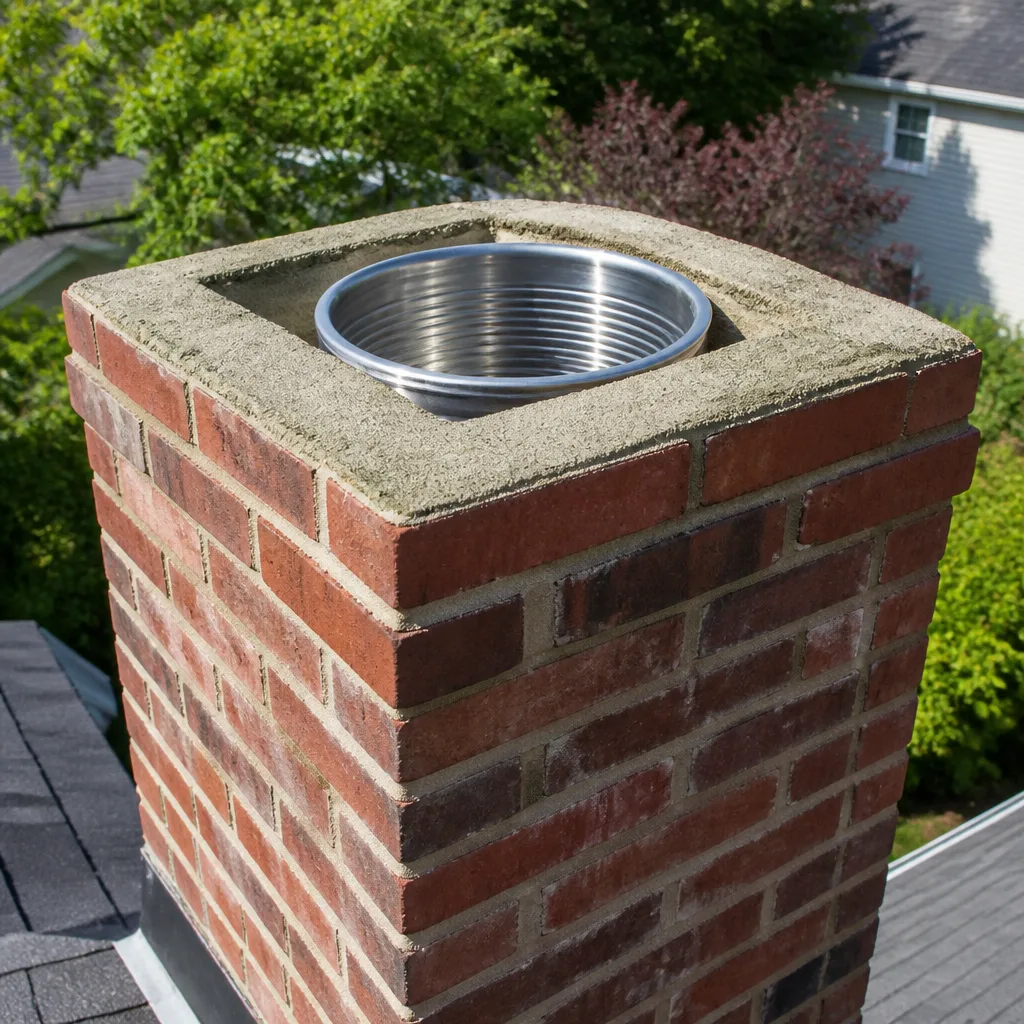
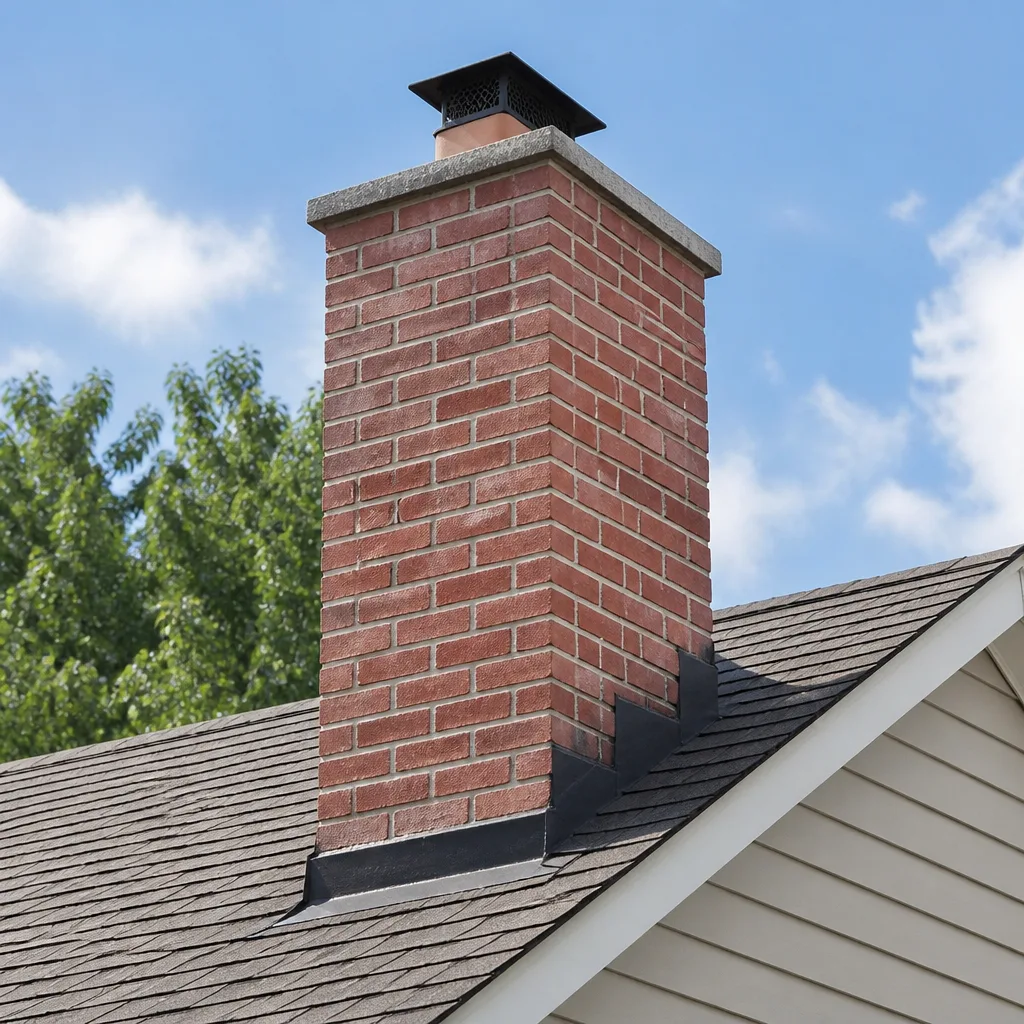
 Before
 After
After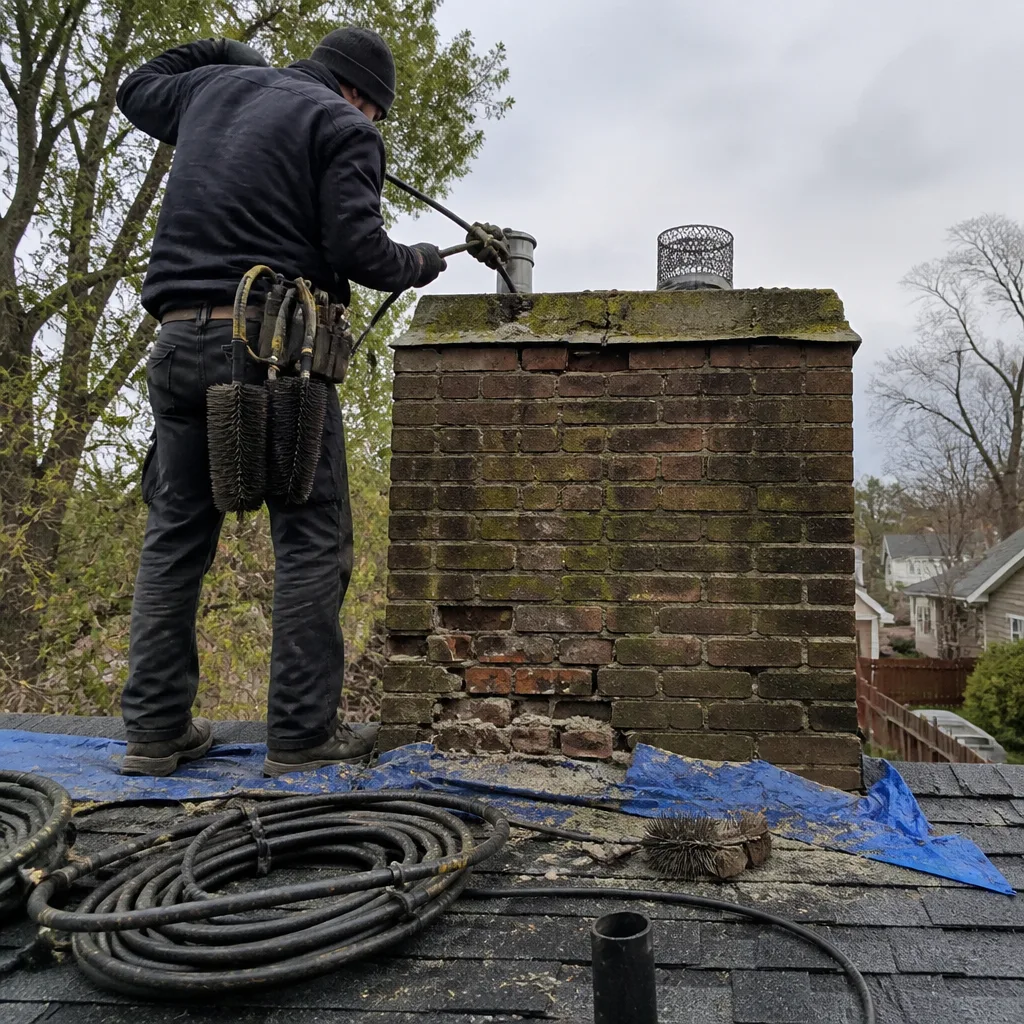 Before
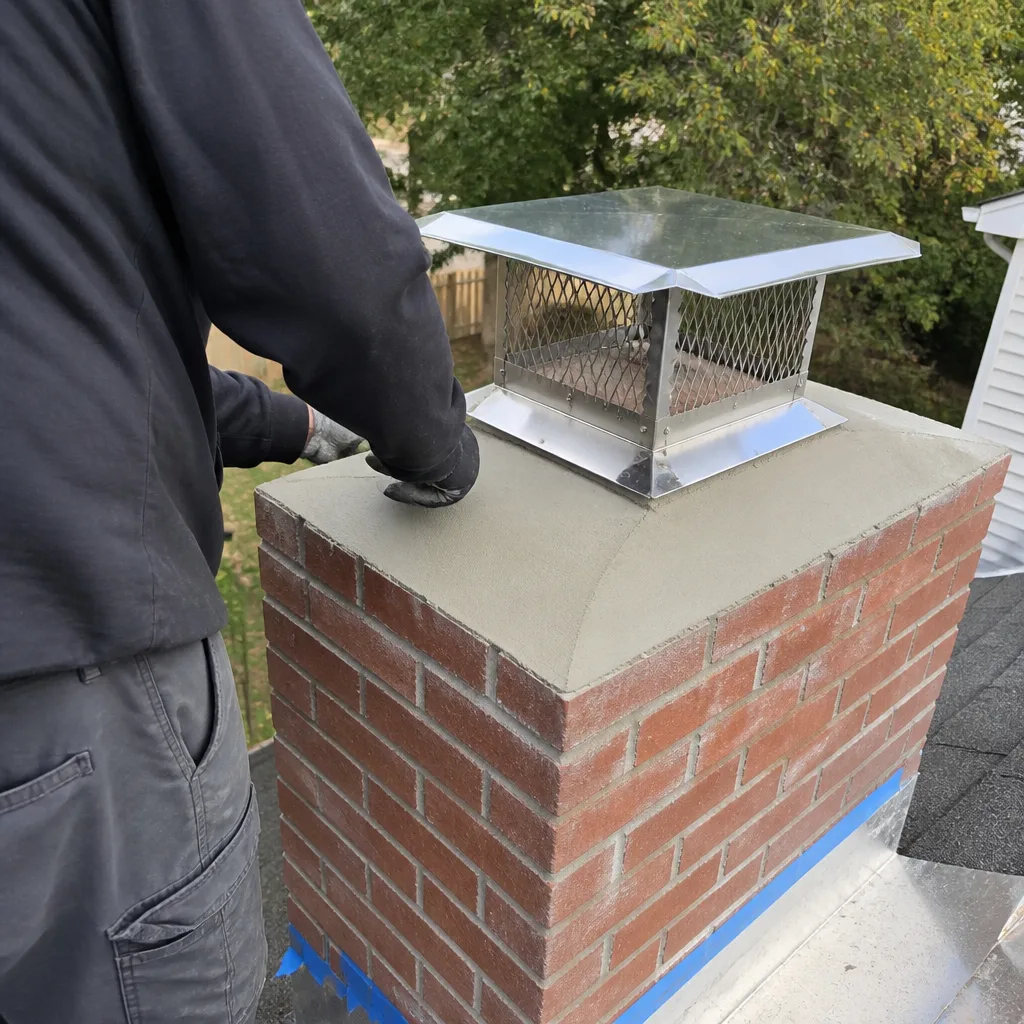 After
After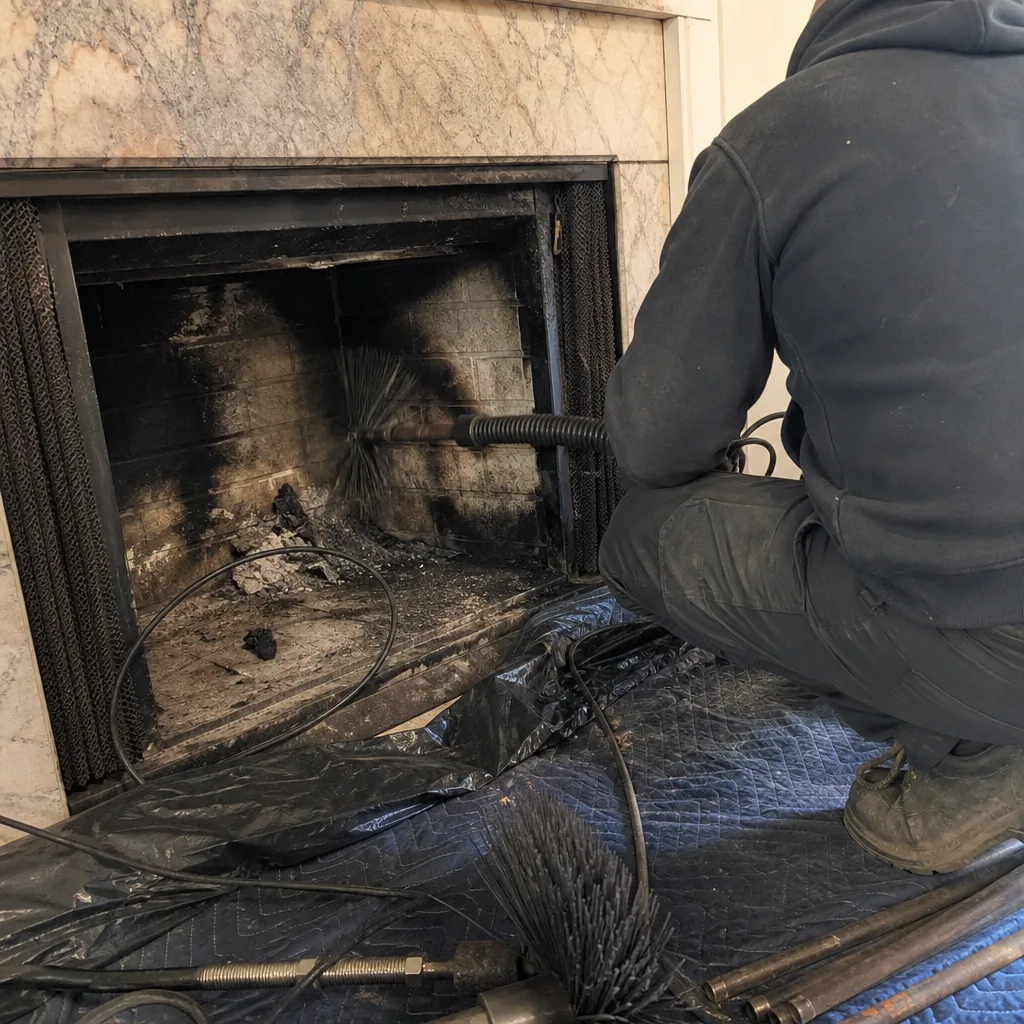 Before
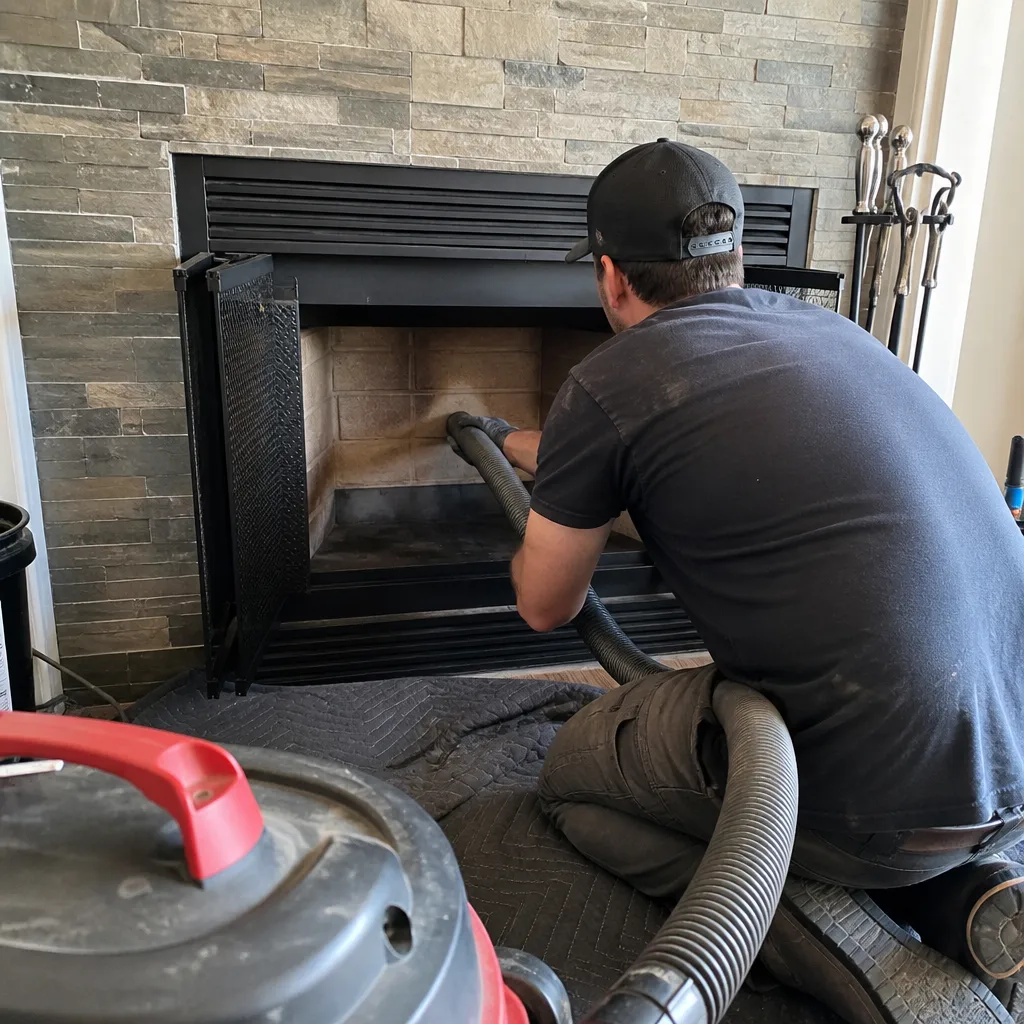 After
AfterChimney Cleaning Warning Signs: A Ashburn Homeowner’s Reference Guide
A white stain running down the exterior of a brick chimney isn’t cosmetic. It’s efflorescence, and it means water has already moved through the masonry. By the time it’s visible from the yard, the liner may have been compromised for two seasons. This guide is built for Ashburn homeowners who want to catch chimney problems in the stage where a $229 sweep solves them, not the stage where a $6,000 liner replacement is the only option. For more guides & resources, visit our blog. You’ll learn exactly where to look, what each sign indicates mechanically, and what it costs to ignore it in Northern Virginia’s specific climate.
Quick Answer
The earliest warning signs of a chimney problem in Ashburn are white mineral staining on exterior brick (efflorescence), a firebox that smells musty after rain, flaking mortar joints you can pick out with a fingernail, and creosote buildup thicker than a nickel’s edge visible on the damper plate. Each of these is observable from the ground or by kneeling at the fireplace opening with a flashlight. None of them require a ladder. Each corresponds to a specific mechanical failure that gets more expensive the longer it waits. For a deeper look at prevention, see The Complete Guide to Chimney Cleaning in Ashburn.
Table of Contents
- The Seven Warning Signs Every Ashburn Homeowner Can Check
- Efflorescence: The White Stain That Means Water Has Already Won
- The Musty Firebox Smell After Rain
- Flaking Mortar and Spalling Brick: When the Chimney Starts Eating Itself
- Creosote on the Damper Plate: The Nickel Test
- Prefab and Zero-Clearance Warning Signs Masonry Guides Miss
- The Attic Ceiling Directly Above the Flue: Your Most Honest Warning System
- How to Photograph and Document Warning Signs Before Calling a Sweep
- Common Mistakes to Avoid
- When to Call a Professional
- Frequently Asked Questions
- The Bottom Line
BeforeAfterThe Seven Warning Signs Every Ashburn Homeowner Can Check
Most chimney warning sign lists are written for people who already know something is wrong. They describe active smoke in the living room, visible cracks in the firebox, animals living in the flue. By that point, the repair bill has moved from hundreds to thousands. The signs below are different. They are observable right now, today, without climbing anything or spending money. We’ve ordered them from most visible to least obvious, and each includes the exact location to check.
- Exterior brick face: White or gray mineral staining, especially on one side of the chimney more than others. Check from the street and from the backyard.
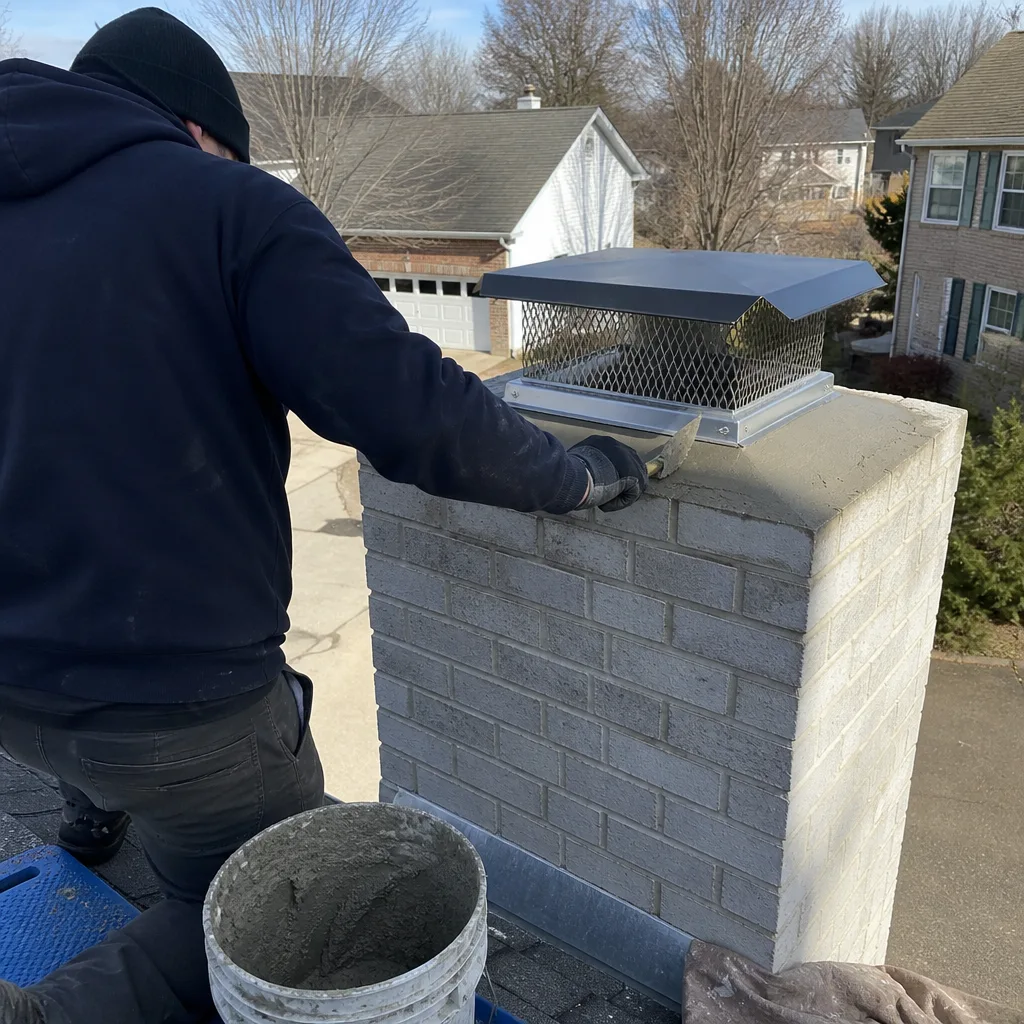
- Exterior crown: The concrete cap at the top of the chimney. Look for cracks, missing chunks, or a crown that doesn’t overhang the brick by at least two inches. You can see this from the ground with a decent pair of eyes or binoculars.
- Firebox: The interior floor and walls of the fireplace opening. Look for cracked refractory panels, gaps at the firebox seams, and dark shiny creosote or dull black soot on the back wall, especially near the damper.
- Damper plate: The metal or cast-iron flap just above the firebox. Open it and look at the surface. Any glossy, tar-like black residue thicker than a nickel’s edge is a mechanical problem, not just a cosmetic one.
- Roofline flashing: The metal strips where the chimney meets the roof. From the ground, look for lifted corners, rust staining on the metal, or a chimney that appears to have shifted relative to the roofline.
- Attic ceiling directly above the flue: Any water staining, dark rings, or soft drywall on the attic ceiling near where the chimney passes through. This is the most honest warning system in the entire house.
- Chase cover on prefabricated systems: For homes with a metal chimney or siding-wrapped chase, look for rust on the metal chase top, gaps between the chase cover and the chase walls, and any visible rust streaking down the siding.
Ashburn’s freeze-thaw cycle makes the first three signs more aggressive here than in milder climates. Water enters a crack in the crown or mortar joint. During a Virginia winter, that water freezes and expands roughly nine percent in volume. One freeze-thaw cycle turns a hairline crack into a visible one. Ten cycles turn a visible crack into spalling brick. We see this progression in neighborhoods across Ashburn every season, from Ashburn Farm to Brambleton and Broadlands, and the timeline is predictable: a chimney that starts showing efflorescence in year one will usually show spalled brick faces by year three or four if it’s not addressed.
For a full sweep and inspection that documents all seven of these locations, see our Chimney Cleaning & Sweep in Ashburn page.
Efflorescence: The White Stain That Means Water Has Already Won
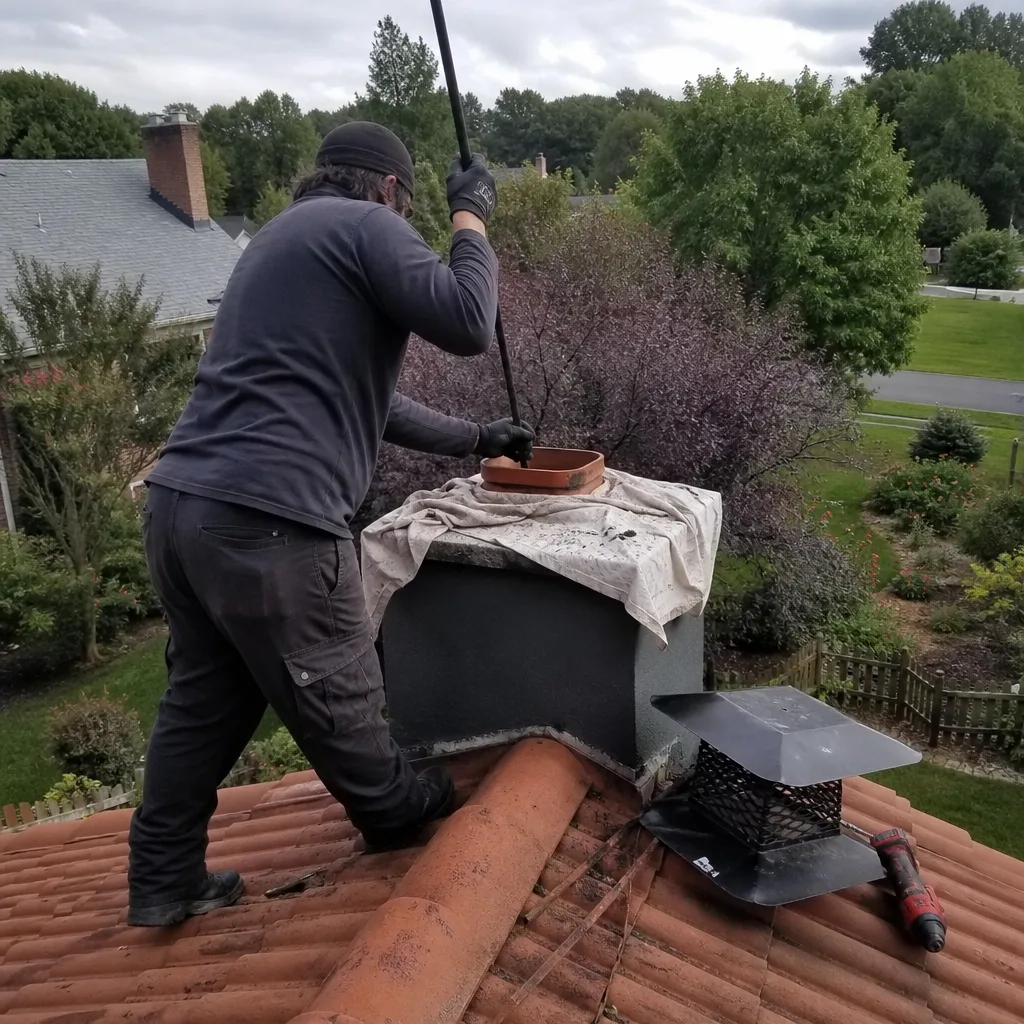
Efflorescence is the white, chalky, sometimes fluffy deposit that appears on the exterior face of brick or stone chimneys. It’s not mold. It’s not paint failure. It’s dissolved salt, and it only appears for one reason: water has moved through the masonry. The mortar and brick contain soluble salts. When water enters the chimney structure and migrates outward, it carries those salts with it. When the water evaporates from the surface, the salt remains, forming that white stain.
Here’s the part most guides leave out: by the time efflorescence is visible from the ground, water has been moving through the chimney for at least one full season. The stain means the masonry is acting like a sponge. And that water is doing more than leaving salt behind. It’s carrying those same dissolved minerals into the flue liner, where they can crystalize and weaken the liner. It’s saturating the mortar joints, which expands and contracts with every Ashburn freeze-thaw cycle. And it’s making its way toward the interior of the chimney, where it can rust the damper assembly, corrode the liner, and eventually show up as water staining in the attic.
The cost differential is stark. Catching efflorescence in its first visible season usually means a crown repair or repointing job in the $800 to $1,400 range in Ashburn, depending on the extent and the height of the chimney. In our experience, most first-season efflorescence cases are caused by a compromised crown or a single failed flashing corner, both of which are straightforward repairs. Let it run for three more seasons and the same water path will likely produce spalled brick faces, a damaged flue liner, and a repair bill that looks more like $3,500 to $6,500. That’s the range we see in Ashburn for jobs that require brick replacement, liner assessment, and potentially a new liner installation.
Not every white stain is catastrophic. Some efflorescence is actually a sign that a previous repair worked: after a repointing job, the brick can flush salts out for a month or two as it dries. But if the stain is growing, or if it’s concentrated on one side of the chimney rather than evenly distributed, water is still actively entering. That’s the signal to act.
We use materials from Copperfield and Olympia Chimney when crown and flashing repairs are needed on Ashburn chimneys, because those specific products hold up to the Virginia freeze-thaw cycle better than generic alternatives. We’ll say more about why product selection matters in the mortar section below.
The Musty Firebox Smell After Rain
You know the smell. It rained last night. You walk past the fireplace this morning and there’s a damp, musty, almost earthy odor coming from the firebox. It’s strongest at the firebox opening and fades when you walk across the room. That smell is not normal. It is water inside the flue.
Here’s what’s happening mechanically. Rain enters the chimney at one of three entry points: a cracked crown, failed flashing at the roofline, or a crack in the brickwork itself. The water runs down the inside of the flue liner and pools either in the smoke chamber above the damper or all the way down in the firebox. There it mixes with creosote and soot that’s already coating the flue walls. That mixture of water, creosote, and whatever organic material has accumulated, leaves, twigs, dead insects, becomes the source of that musty smell. It’s not just water. It’s water plus the accumulated residue of every fire you’ve burned.
The smell is most noticeable after rain because that’s when the water is fresh and the evaporation is active. In Ashburn’s humid summer months, the smell can persist for days after a rain event because the flue never fully dries out.
What does it cost to ignore? The smell itself is the early warning, not the problem. The problem is the water entry point. If that entry point is a crown crack or a flashing issue, catching it in the first season means a repair in the $400 to $900 range. If it’s ignored for multiple seasons, the water begins to degrade the flue liner itself. For a masonry chimney with a clay tile liner, water plus creosote creates an acidic solution that eats through the tile. That’s a liner replacement, and in Ashburn that runs $4,500 to $7,500 for a typical one-story or two-story chimney, depending on the flue dimensions and whether a stainless steel liner such as those from Gelco or Famco is used. The math is uncomplicated: a $600 flashing repair versus a $6,000 liner replacement.
Flaking Mortar and Spalling Brick: When the Chimney Starts Eating Itself
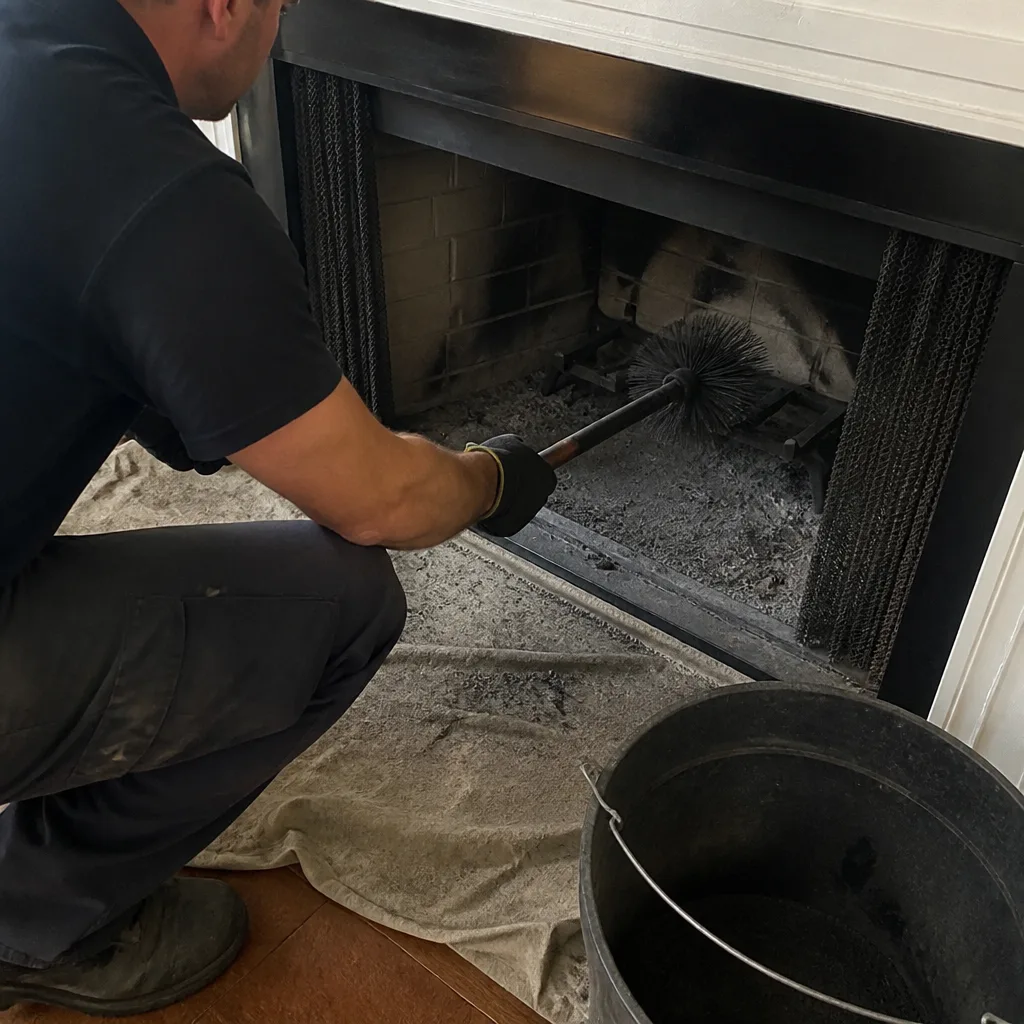
Flaking mortar, the trade term is spalling, is what happens when the outer surface of a brick or the mortar joint itself begins to crumble and flake off in thin layers. Run your fingernail along the mortar joint. If you can pick out sandy material with your fingernail, the mortar is past its useful life. If you can flake pieces off the brick face itself, the brick is spalling, and that’s a more advanced stage of the same problem.
The mechanism is pressure. Water enters the brick or mortar through a hairline crack. In Ashburn, winter temperatures drop below freezing dozens of times per season. Each freeze expands the trapped water. Each thaw lets it sink deeper into the masonry. The surface layers are pushed outward and eventually flake off. The flaking isn’t just cosmetic. Each flaked layer exposes a new surface to water intrusion, which accelerates the cycle.
What most Ashburn homeowners don’t realize is that a chimney can look structurally fine while the mortar has already failed. Mortar is the chimney’s waterproofing system. When mortar joints go, water gets behind the brick, and the brick never dries. A chimney in this state is slowly dismantling itself from the water’s repeated expansion and contraction. We’ve seen chimneys in the Ashburn Village area where the mortar was so degraded it could be raked out with a hand tool, yet the homeowner had no idea because the bricks were still in place. They were standing only by habit.
Repointing, the process of removing deteriorated mortar and replacing it, is the standard fix. In Ashburn, repointing for a typical residential chimney runs $1,800 to $3,500, depending on the extent of the damage and the amount of scaffolding or ladder work involved. The material matters: we use mortar matched to the original mortar’s strength and compatibility, not just whatever’s cheapest. Using a too-strong mortar on older brick can actually accelerate spalling because the mortar becomes harder than the brick and forces the brick to absorb all the movement. We specify mortar from manufacturers like Olympia Chimney, whose products are graded for specific climates and brick types, because a repointing job that fails in three years is not a bargain.
If you’re seeing flaking mortar anywhere on the chimney, that’s a repair question, not a cleaning question. See our Chimney Repair in Ashburn page for what a full repair assessment involves.
Creosote on the Damper Plate: The Nickel Test
Creosote is the black, tarry or flaky residue left behind when wood smoke condenses inside the chimney. It’s not soot. Soot is fine, powdery, and relatively harmless. Creosote is a fuel. It’s the primary cause of chimney fires.
The damper plate, the metal flap inside the chimney just above the firebox that opens and closes to control airflow, is the simplest place to check creosote level without calling anyone. Open the damper and look at its surface. If the residue is fine and powdery, like a light dusting of ash, that’s normal for a fireplace that gets seasonal use. If it’s rough, flaky, or has a crust-like texture, you’re looking at early-stage creosote buildup, what the trade calls Class II creosote. That’s a signal to schedule a sweep. If it’s glossy, tar-like, or drippy, you’re looking at Class III creosote, and that’s a chimney fire waiting for a spark.
The nickel test is the homeowner shortcut. Take a nickel. Set it against the damper plate surface. If the creosote is thicker than the nickel’s edge, about 1.95 millimeters, you have meaningful buildup that should be removed before the next fire. It’s an imperfect test, and it only measures the damper plate, not the flue walls themselves, but it gives you a baseline reading you can check yourself before deciding whether to call for a sweep.
In Ashburn, the standard chimney sweep and inspection runs $199 to $300 for a single fireplace with a standard flue. That price includes the sweep, the camera-scan inspection, and a written record of what was found. Compare that to the cost of ignoring the creosote: a chimney fire can reach 2,000 degrees Fahrenheit inside the flue. At that temperature, even a clay tile liner cracks. If the liner cracks, you’re looking at the liner replacement price range I named earlier, $4,500 to $7,500. And that’s if the chimney fire stays contained inside the chimney. If it doesn’t, the number is dictated by your insurance policy and your contractor’s repair estimate.
The sweep itself is achievable in a single visit, typically 45 to 90 minutes. Learn more about what’s included on our Chimney Cleaning & Sweep in Ashburn page.
Prefab and Zero-Clearance Warning Signs Masonry Guides Miss
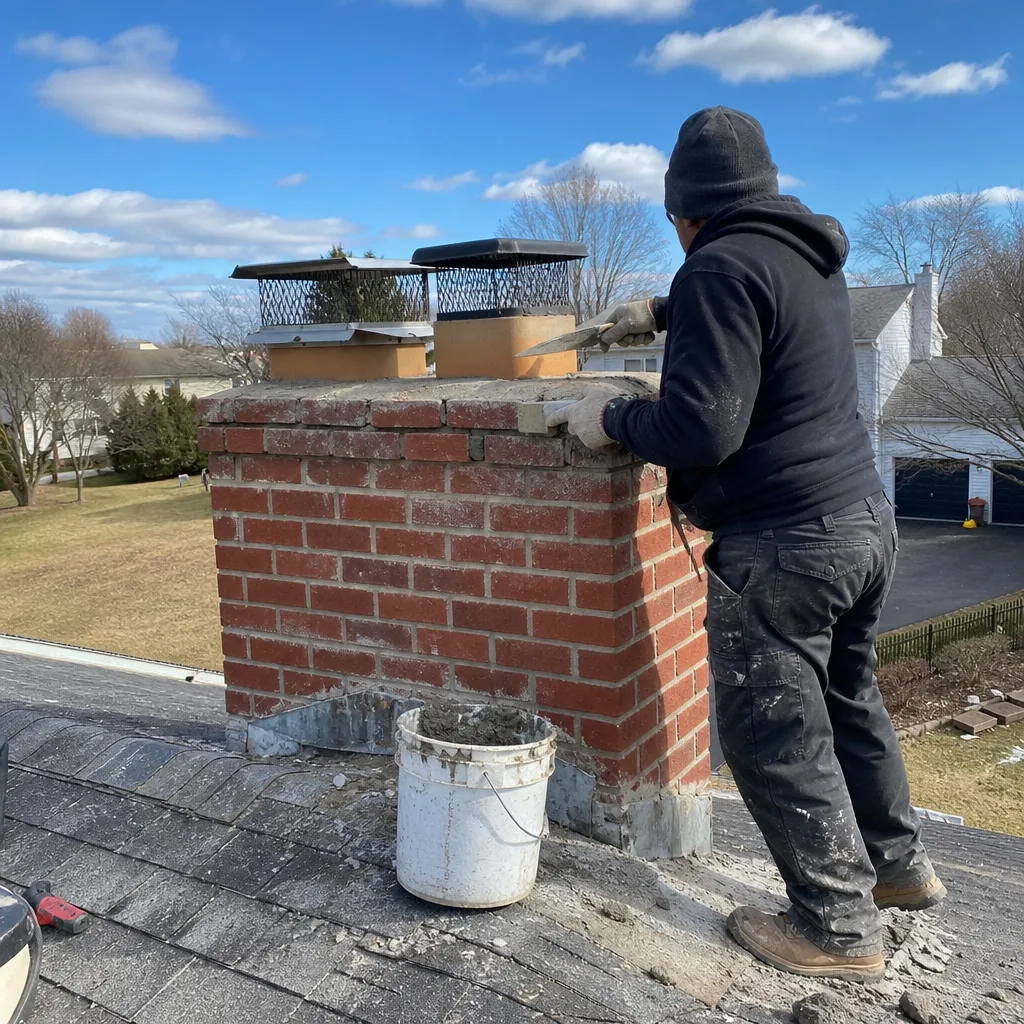
Most chimney warning sign content assumes a traditional masonry chimney: brick, mortar, clay tile liner. But a large share of Ashburn homes built since the 1990s, especially in communities like Broadlands, Ashburn Farm, and Lansdowne, use factory-built or prefab fireplaces, also called zero-clearance systems. These systems have entirely different failure modes, and if you’re checking for masonry warning signs on a prefab system, you’re looking at the wrong things.
The prefab system is a metal box and a metal flue pipe wrapped in insulation and framed into the wall chase, the rectangular box that sticks up through the roof and is usually wrapped in siding or stucco. The warning signs are specific to metal and factory construction, not brick.
Panel deterioration: The interior firebox walls of a prefab unit are refractory panels, not real brick. They’re designed to reflect heat back into the room. Over time and with use, these panels crack. Look for hairline cracks radiating from the panel centers, and look for any panel that’s visibly warped or pulling away from the firebox walls. A cracked refractory panel can expose the metal shell behind it to direct flame contact, which is a failure the unit was never designed to handle.
Visible gap at the firebox seam: Prefab fireboxes are joined at seams, usually at the back wall or where the floor and sidewalls meet. These seams are factory-sealed. If you can see an actual gap, even a narrow one, between any two interior panels or between a panel and the firebox frame, the unit has shifted or the panels have deteriorated enough to compromise the firebox seal. This is not a cosmetic issue. A visible seam gap means the engineered firebox is no longer performing as designed.
Discolored surround: The surround is the non-combustible trim around the fireplace opening. On prefab units, look for any discoloration, warping, or paint failure on the surround directly adjacent to the firebox opening. That’s an indicator the unit is running hotter than designed at the opening, which can mean a compromised panel, a blocked air channel, or an improper installation.
The cost differential on prefab systems is different from masonry. A standard prefab chimney sweep and inspection runs the same $199 to $300 range in Ashburn. But if you ignore panel deterioration and the unit overheats, you’re often looking at complete fireplace replacement rather than repair. Prefab units are not designed to be rebuilt. Once the firebox integrity is compromised, the standard fix is replacement, which runs $5,000 to $9,000 for the unit and installation in Ashburn. Some homeowners choose to convert to a gas insert instead, and that’s a separate cost discussion with a different set of tradeoffs.
The takeaway: if you have a prefab fireplace, and you’ve been reading masonry chimney guides and checking your brickwork, you’ve been checking the wrong building material. The signs to watch are on the inside of the firebox. For prefab-specific fireplace service questions, see our Fireplace Services in Ashburn page.
The Attic Ceiling Directly Above the Flue: Your Most Honest Warning System
If you check one thing from this guide, check the attic ceiling directly above where the chimney passes through the roof. This single location will tell you more about the long-term health of your chimney than any exterior visual inspection. Here’s why.
The chimney penetrates the roof at a point where multiple building systems converge: the roofline, the flashing, the ceiling joists, and the flue itself. If water is entering the chimney at any point, gravity carries it down. Some of it runs down the flue interior. Some of it runs down the exterior of the flue pipe, on the outside of the liner but inside the chimney structure. That water’s first contact with a visible surface is often the ceiling drywall in the attic, directly adjacent to the flue. Long before the water has moved enough to stain the living room ceiling or show up on the second-floor walls, it’s already visible in the attic, if you look.
What to check, step by step:
- Locate your attic access and go up with a flashlight. Do not walk on the ceiling joists unless you know they’re capable of supporting weight; step only on floor joists or walk boards.
- Find the point where the chimney or flue pipe penetrates the ceiling from below. It’s usually a framed box or a rectangular drywall or plywood chase.
- Look at the ceiling drywall in a two-foot radius around that chase. Look for any discoloration, even faint brownish rings, any texture change, any soft spot you can push in with a finger, and any visible moisture or dampness.
- Check the roof decking two to three feet from the penetration on all sides. Look for dark staining or water trails on the underside of the plywood roof sheathing.
- If you see any of these signs, don’t wait. The water entry point is already established and doing active damage.
In Ashburn, summer storms and fall hurricanes bring the rain that makes these attic signs appear. But winter is equally important: if there’s a warm spot at the flue penetration and cold air is getting in, you may see condensation, which looks the same as roof-leak water but comes from a different mechanical problem. Either way, it needs investigation.
If you catch water at the attic ceiling early, the fix is usually the flashing or the crown, and the repair is in that $400 to $900 range. If you don’t, the water continues to travel, and the damage expands into framing, drywall, insulation, and eventually the living space ceiling, where the repair becomes a multi-trade job involving a roofer, a drywall contractor, and the chimney sweep. That’s where repair bills start at $3,000 and climb from there.
Corrine Halstead, who runs Level Two Chimney Ashburn, has documented hundreds of attic water intrusion cases in Ashburn, and the pattern is consistent: every one of those homeowners found the attic sign before the ceiling collapsed, and every one of them said something along the lines of, I noticed that stain months ago and didn’t think it was related to the chimney. It was.
How to Photograph and Document Warning Signs Before Calling a Sweep
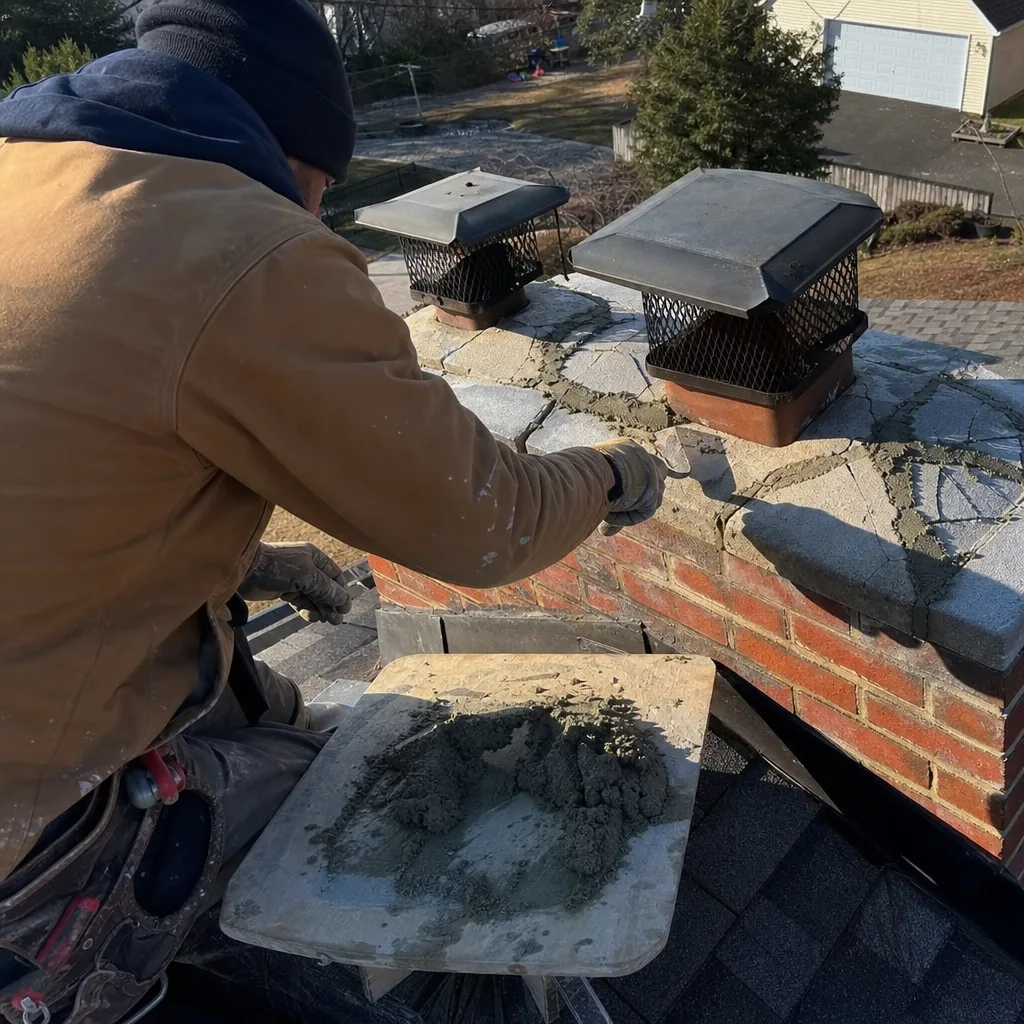
Here’s a practice that saves Ashburn homeowners money and protects them from the top complaint in the chimney service industry: being told there’s damage they can’t verify. Document everything before you call anyone. Create a dated, visual record of what you’re seeing. It costs nothing and it changes the entire dynamic of the service conversation.
The reason this matters is structural. The chimney service industry has a reputation problem, earned over decades by companies that send a technician into an attic or onto a roof and then report damage the homeowner never sees. Some of that damage is real. Some of it is not. The homeowner has no way to distinguish the two, which creates an information asymmetry, and bad actors exploit it. Your phone camera closes that asymmetry.
Here’s the process:
- Photograph everything before the visit. Exterior brick face from all four sides, crown from the ground, firebox interior with the damper open, damper plate close-up, attic ceiling, flashing at the roofline, and any stains or cracks you’ve identified. Use your phone’s timestamp. Don’t edit the photos.
- Keep the photos on the same device you’ll have when the tech arrives. You want to be able to pull up the before images instantly.
- Ask for a camera-scan inspection. Under Clause 4 of the Haven Standard, the inspection practice Level Two Chimney Ashburn has followed since 2009, every inspection includes a camera that goes down the flue and produces a photographic record the homeowner can see and keep. If the company you call doesn’t offer camera documentation, that’s a decision point.
- Compare the tech’s findings against your photos. If the tech reports spalling brick you’ve photographed, you can see it. If they report a liner crack you’ve never seen, the camera footage should show it. If they report damage you can’t verify in either your photos or their camera footage, you’re within your rights to decline the repair and seek a second opinion.
- Get any repair recommendation in writing. Not a verbal estimate. A written price with a written scope of work and a written warranty. Under Clause 1 of the Haven Standard, written pricing is delivered before any work begins, not after the tech is already in your home.
Level Two Chimney Ashburn offers a free second opinion on any written estimate you receive from another company, and the same documentation standard applies: camera footage, written findings, written price. That offer exists because verification is the entire point of the brand.
Documentation also creates a historical record that helps with future claims and resale. If you sell your Ashburn home in four years and the buyer asks when the chimney was last inspected, you have the photos and the written record. That’s not just protection against upsells. That’s equity in the transaction.
Common Mistakes to Avoid
- Ignoring efflorescence because it looks like “just salt.” Efflorescence is the visual record of water movement through masonry. By the time it’s visible, the water has been active for a season or more. Treat it as a structural warning, not a cosmetic one.
- Checking only the exterior brick and never the attic ceiling. The attic ceiling directly above the flue is the first interior surface to show water damage, and it can reveal problems the exterior shows no sign of. This is the single most overlooked inspection point in Ashburn homes.
- Burning a fire after noticing a musty smell, assuming it will “dry it out.” The smell indicates water is entering the flue. Burning a fire adds heat and creosote to a water-compromised system, which accelerates liner deterioration. It does not dry out the water entry point.
- Using the wrong motivation for a sweep: “I’m selling the house.” The reason to sweep and inspect is that the chimney is a fuel-burning system attached to your house. Waiting until a transaction forces the issue means you’ll be paying for repairs under time pressure, with no opportunity for comparison shopping.
- Assuming a prefab fireplace follows masonry chimney warning signs. Prefab systems fail at the refractory panels, the firebox seams, and the surround. If you have a zero-clearance unit and you’ve been checking your brickwork, you’ve been checking a material your chimney doesn’t have.
- Documenting nothing and trusting verbal assurances. Without photos and a written record, you’re in the position of taking a contractor’s word for what’s inside your flue. Camera-scan documentation has been standard practice for Level Two Chimney Ashburn since 2009, and for good reason: it removes the information gap.
- Calling for a sweep when the chimney needs a repair, or a repair when it needs a sweep. The two services are different, and the diagnostic tool that distinguishes them is the camera inspection. Don’t book a service before you know which problem you’re solving.
When to Call a Professional
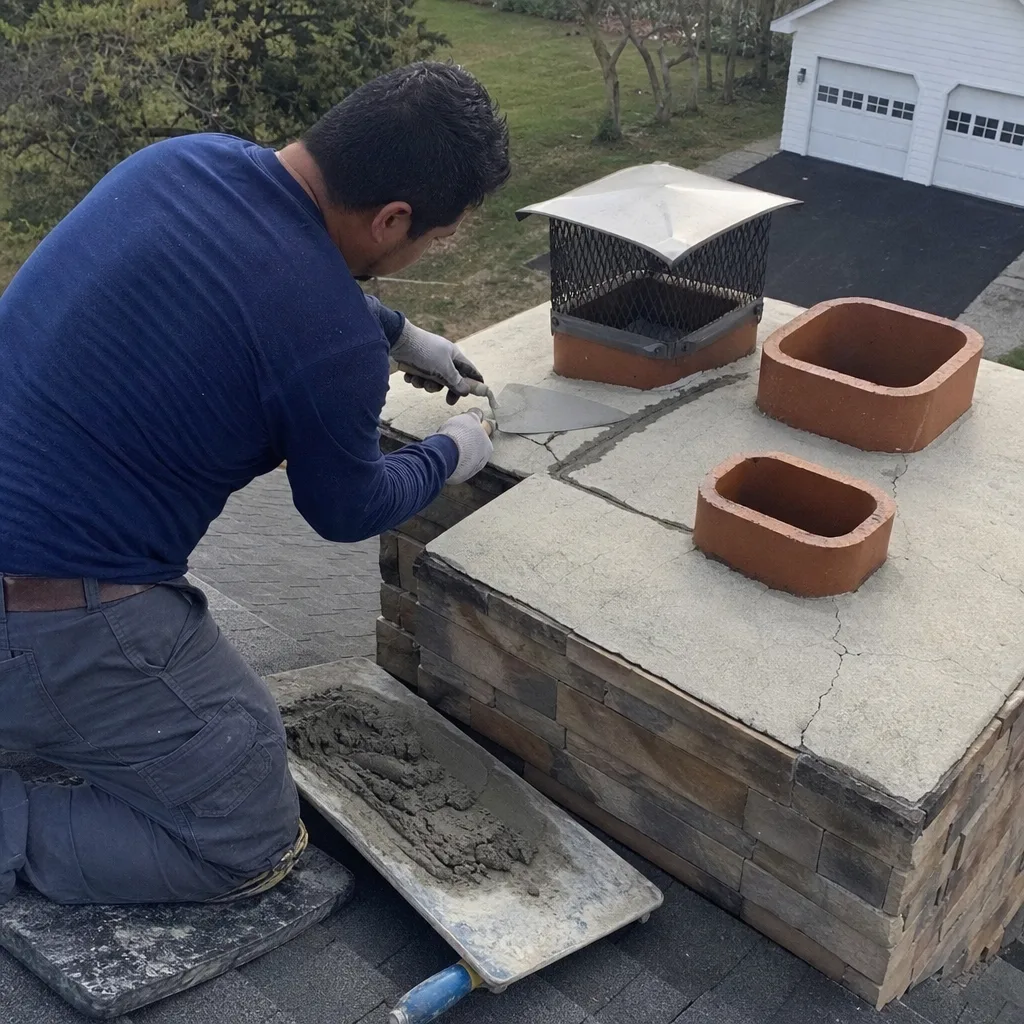
You should call a professional chimney service in Ashburn when any of these conditions are true: you’ve completed the seven-point check and found two or more warning signs; you’ve found efflorescence that’s growing or concentrated on one side; you’ve run the nickel test and the creosote is thicker than the nickel’s edge; you’ve seen water staining in the attic near the flue; or you’re buying a home in Ashburn and the seller can’t produce a chimney inspection record. If you’re simply unsure what you’re looking at, the camera inspection is the diagnostic step that resolves the uncertainty. Level Two Chimney Ashburn offers free estimates in Ashburn. Call (240) 220-9412.
Frequently Asked Questions
A standard chimney sweep and inspection in Ashburn typically runs $199 to $300 for a single fireplace with a standard flue, including the camera-scan inspection and a written record of findings. The price varies based on flue height, creosote class, and whether the chimney is masonry or prefab. Call (240) 220-9412 for a free estimate with the exact price in writing before any work begins.
The National Fire Protection Association standard, NFPA 211, says chimneys should be inspected at least once a year and swept when creosote buildup reaches 1/8 inch or more, which is about the thickness of a nickel. For Ashburn homeowners who burn fires regularly during the heating season, that typically means a sweep once per year, ideally in late summer or early fall before burning season begins. Seasonal timing matters in Northern Virginia: we book our Ashburn sweeps heavily in September and October, and those who wait until November often wait longer.
Creosote accumulates inside the flue and eventually reaches a thickness and temperature where it can ignite, producing a chimney fire that reaches up to 2,000 degrees Fahrenheit. That temperature cracks clay tile liners and can spread fire to the surrounding structure. The sweep that would have cost $199 to $300 now becomes a liner replacement at $4,500 to $7,500, plus whatever structural repair the chimney fire required. The math is the same in every neighborhood in Ashburn. Call (240) 220-9412 to schedule a sweep before burning season starts.
You can verify a liner recommendation yourself if the inspection includes camera footage, which is the standard under Clause 4 of the Haven Standard that Level Two Chimney Ashburn has documented since 2009. A legitimate liner recommendation will be backed by camera footage showing the specific defect: a cracked tile, a separated joint, a corroded metal liner, or water damage visible inside the flue. If a company tells you the liner needs replacing but cannot show you footage of the defect, get a second opinion. A written estimate from another company is always welcome for a free second opinion comparison at (240) 220-9412.
Yes. Prefab or zero-clearance fireplaces do not have brick, mortar, or clay tile liners, so the masonry warning signs like efflorescence and spalling don’t apply. The warning signs for prefab systems are cracked refractory panels inside the firebox, visible gaps at the firebox seams, and discoloration or warping of the surround. These indicate panel failure, which can require complete fireplace replacement rather than repair, a cost that runs $5,000 to $9,000 in Ashburn. If you have a prefab system, have it swept and inspected by a company that specifically documents the panel condition in the written report.
White stains on exterior brick are efflorescence, which is crystallized salt left behind when water moves through the masonry and evaporates at the surface. The water entry point is usually a cracked crown, failed flashing, or deteriorated mortar joints. In Ashburn’s freeze-thaw climate, the problem accelerates during winter. Early-stage fixes run $800 to $1,400 for crown or flashing repair; ignored efflorescence leads to spalling brick and liner damage that starts at $3,500 and goes up from there. The fix is not painting over the stain; the fix is eliminating the water entry point. Call (240) 220-9412 for a diagnosis with camera documentation.
The Bottom Line
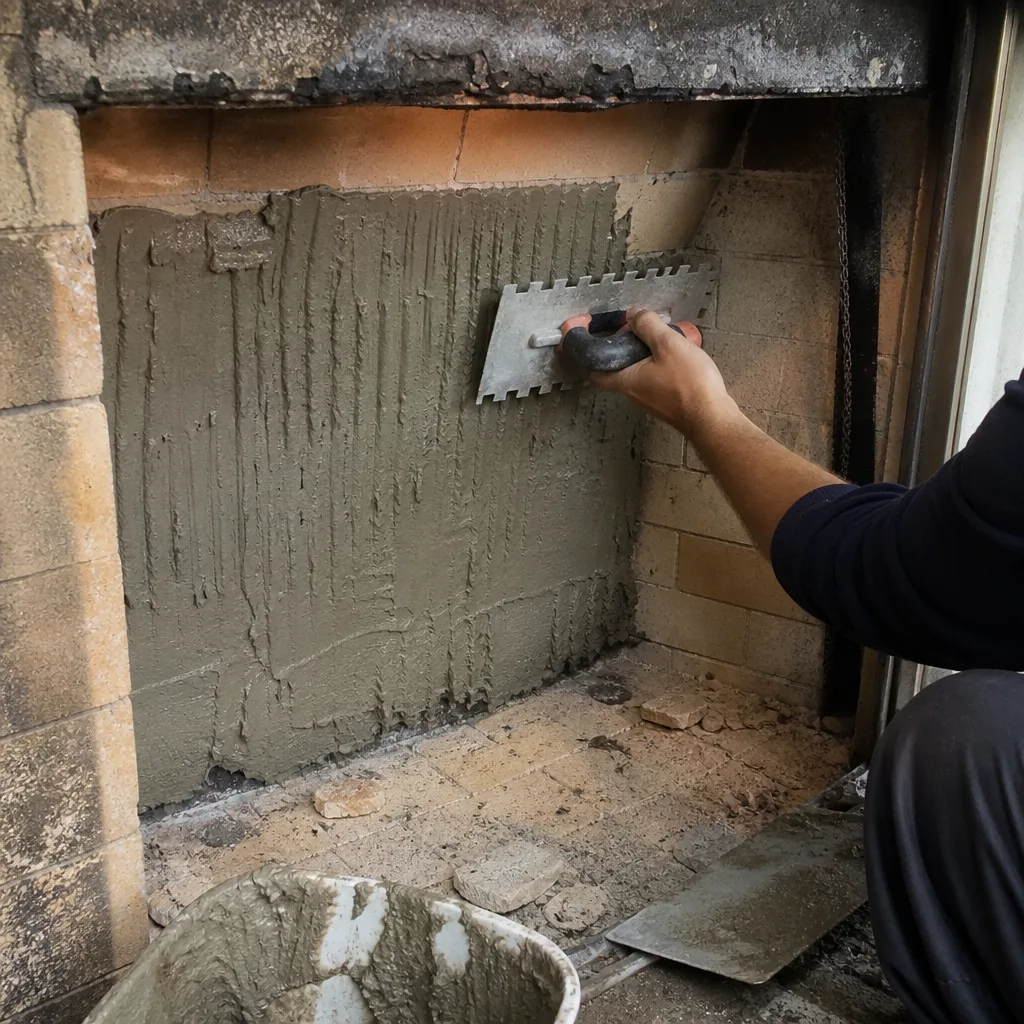
The warning signs that matter are visible before the chimney fails, if you know where to look and what you’re looking at. White staining means water has already entered. A musty firebox after rain means water is entering the flue. Flaking mortar means the chimney is losing its waterproofing. Thick creosote on the damper means a chimney fire is possible. Attic ceiling staining means the water has moved deeper into the house. Each of these observations takes minutes to check and costs nothing. Each has a defined repair path with a predictable Ashburn price range. The gap between the early fix and the late fix is thousands of dollars. Our advice: check the seven locations. Photograph what you find. Then call (240) 220-9412 for a free estimate and a camera-scan inspection that documents what’s actually inside your flue.
Written by Corrine Halstead, Owner at Level Two Chimney Ashburn, serving Ashburn since 2009.